My Top Chillies of 2023 pt1
My Top Chillies of 2023 pt1
It's been quite a year, filled with challenges and surprising twists, thanks to the unpredictable British weather.
The hot and cold spells kept me on my toes, but it was during the wet and cool months of July and August that I began to lose hope. I thought the entire season might be a washout, and I'd have to settle for the chillies that had already formed pods by July.
It was a stark reminder that success in chilli growing really boils down to getting those robust plants in early – a point I can't stress enough. In a world where climate change disrupts traditional seasons, these semi-tropical plants need all the help they can get to produce pods instead of just lush vegetation.

Then came September, blazing in as one of the hottest on record. As the temperatures rose, so did my enthusiasm. Not only did I witness a burst of new plant growth, but a bounty of fresh pods too. In some cases, I found myself with more pods than I'd grown up to this late stage of the season.
What appeared to be a mediocre summer turned into a season of splendid results, even with Chinense chilli varieties that demand scorching conditions. The lesson learned: get your plants in early and never give up. In the coming weeks, I'll be introducing you to some of the chillies I successfully grew this year. To kick things off, let's explore three very different, yet eye-catching chilli varieties.
Red Paper Lantern
One standout in my chilli-growing season was the Red Paper Lantern. It's the kind of habanero that makes you appreciate the simplicity of growing chillies. This South American habanero variety generously gifted me with its characteristic red, lantern-shaped pods early in the season, back in July. However, as the weather turned less friendly, it appeared as if my chilli plants had slowed down, leaving me wondering if that was the end of it.
But nature had a delightful surprise in store. When the warm autumn sunshine returned, I decided to give my Red Paper Lantern some extra attention, and it responded with a remarkable second flush of pods. It was as if I had two chilli plants stacked on top of each other. This experience reminded me never to give up on my chillies, especially in times when weather patterns are becoming less predictable.
What sets the Red Paper Lantern apart is its ability to gracefully handle cooler weather. It thrived even in my plastic greenhouse, where temperatures were a bit cooler than in the glass one.

Red paper lantern pods
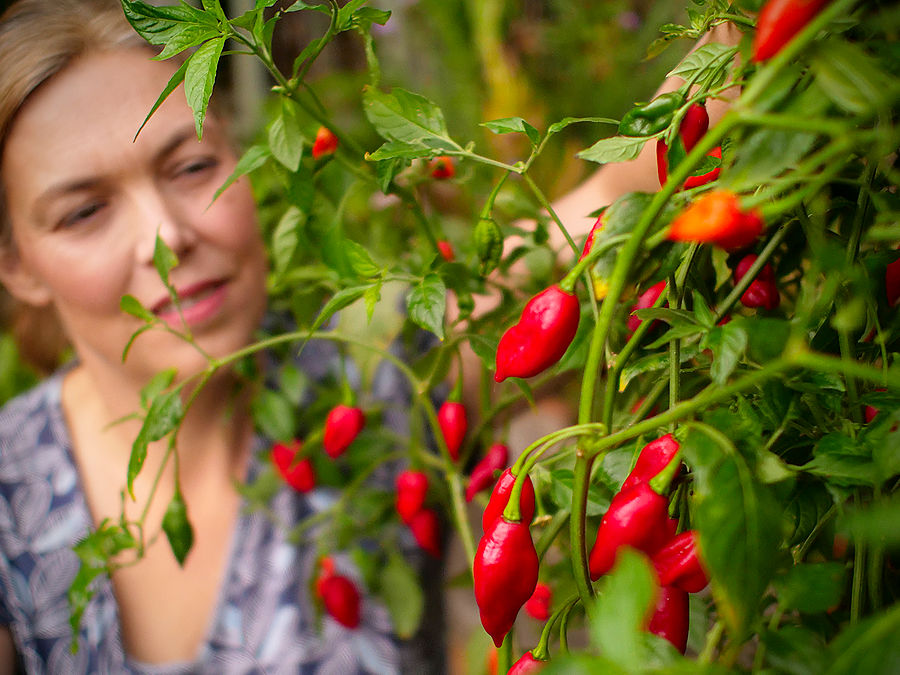
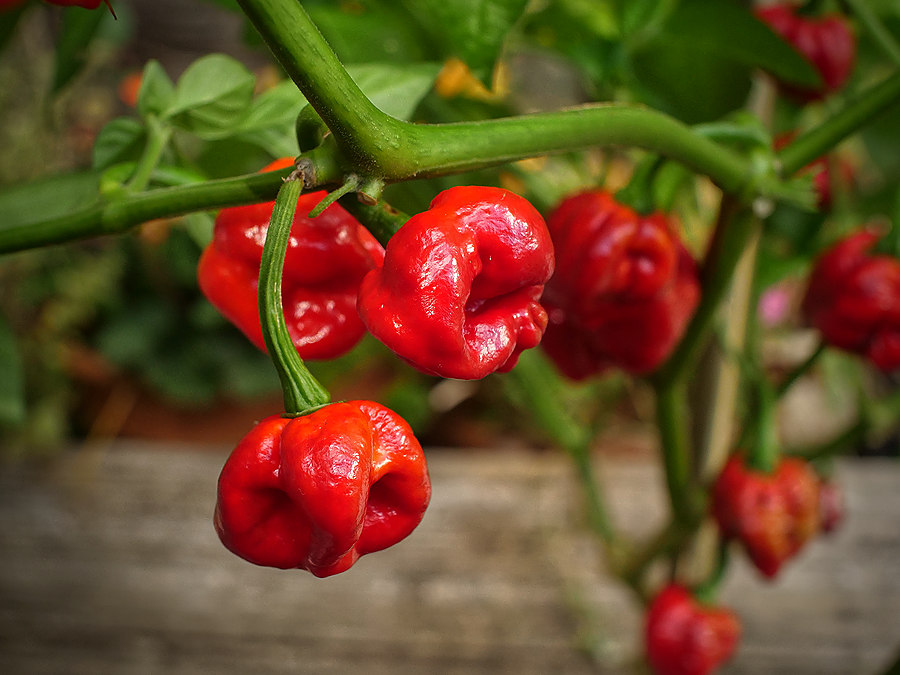
A cascade of red lantern pods

Charateristic lantern-shaped pods

A cascade of red lantern pods

Pre-order for 2024 for assured delivery
Now, I'm excited about the prospect of turning the abundant pods into delightful jams or jellies. Growing your own chillies brings endless possibilities, and that's the true charm of it.
So, if your chilli plants ever seem to take a break, remember my Red Paper Lantern – a resilient, double-flushing superstar that embodies the spirit of never giving up. With some care and optimism, your chillies might just surprise you.
But what about the flavour?
The Red Paper Lantern Chilli has a unique flavour. It's subtly sweet and carries fruity undertones, setting it apart from typical habaneros. This distinct fruity note adds depth to your dishes. What's intriguing is the gradual build-up of heat. Although they share the fiery nature of habaneros, Red Paper Lantern Chillies take their time to unleash their spiciness. This means you have the chance to savour other flavour elements before the heat arrives.
However, be prepared, as this pleasing flavour profile comes with a punch. The heat is mouth-blistering, with a sharp kick concentrated at the back of your throat. It's a challenge for those who enjoy spicy food, but it's all part of the excitement when using these chillies in your culinary creations. So, if you're looking for a chilli that combines sweetness and fruitiness with a gradual, intense heat, the Red Paper Lantern is a fiery yet delightful choice that can elevate your dishes to new heights.
Pre-order chilli plugs and plants for 2024 at 2023 prices plus get an extra 15% off. If you'd like to add more plugs and plants to an existing pre-order there's no need to pay p&p twice. Select the correct shipping option.
Shipka or Bulgarian Carrot
The Shipka or Bulgarian Carrot, with its intriguing name, originally hails from the Shipka region of Bulgaria. It proved to be a relatively easy and enjoyable plant to cultivate, even when I confined it to a rather small pot. It featured lush, vibrant foliage and, surprisingly, started flowering and bearing fruit quite early in the year. This adaptability might be due to its suitability for a more northern climate.
Yet, it had its moments of unpredictability. During a damp August, it decided to take a break from fruiting. However, with the arrival of warmer weather in September, I nourished it, and it graciously produced a fresh crop of pods.
What's interesting, though, is that despite some pods hanging on the plant for an extended period, none of them turned the expected shade of orange. It could be attributed to the weather, or perhaps it's just a natural variation. Interestingly, I had other Chinense and superhot plants that didn't share this quirk.

Easy to grow and fast to fruit
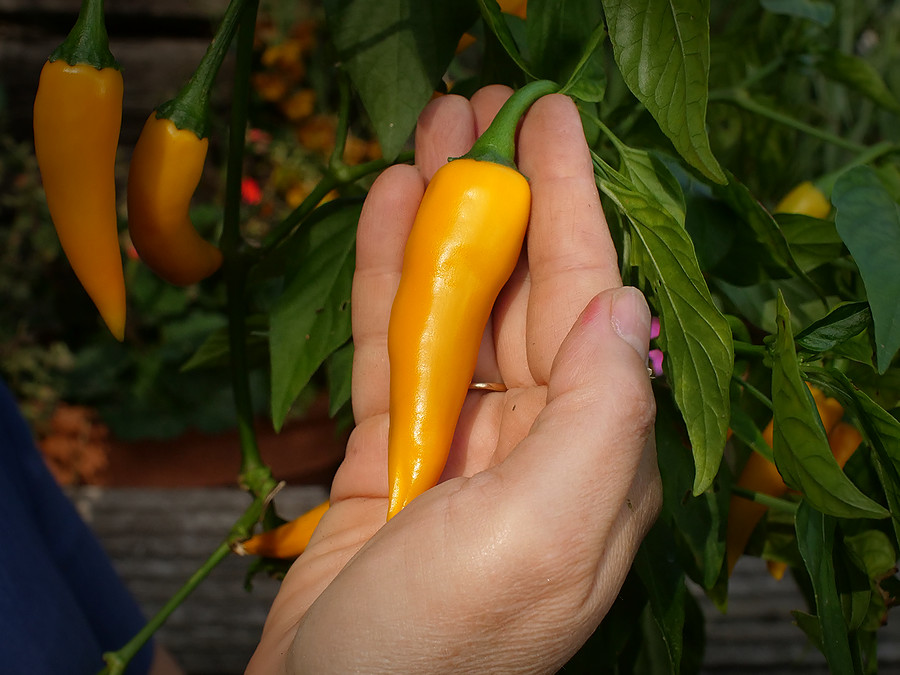
The famous carrot shape

Incredible colour of Shipka chilli pods up close
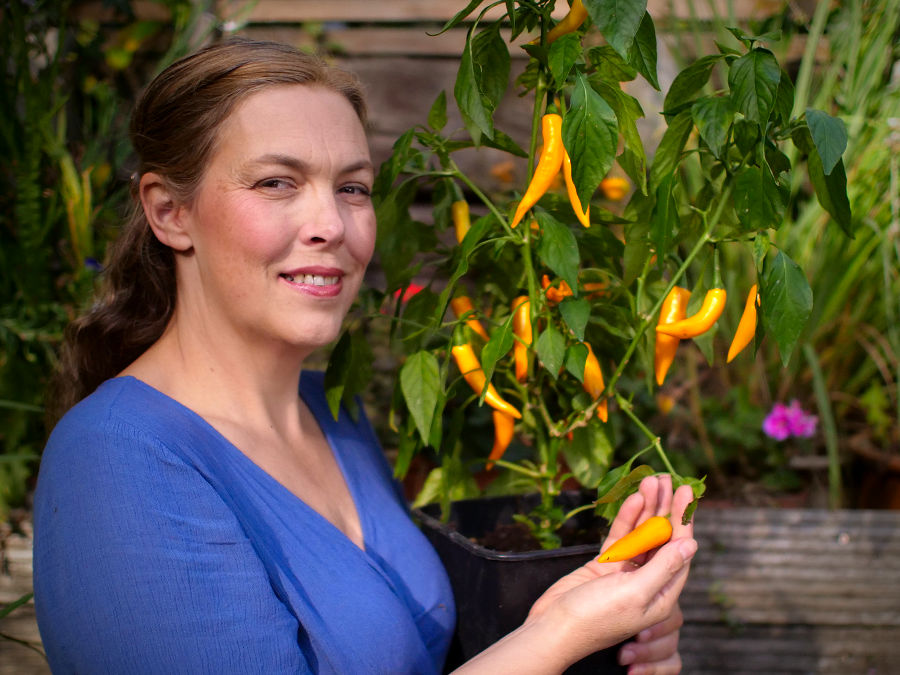
Brings a splash of colour to the garden

Pre-order for 2024 for assured delivery
I'm eager to experiment with pickling these vibrant pods. Alternatively, I may try my hand at making Lutenitsa, a Bulgarian condiment crafted from roasted bell peppers, tomatoes, and Shipkas. It's an opportunity to add a touch of Bulgarian culinary tradition to my homegrown produce.
But what about Shipka flavour?
Shipka chillies are known for their pleasant touch of sweetness. They offer a mild, sweet flavour with fruity undertones, creating a delightful depth in your culinary creations.
When it comes to spiciness, Shipka chillies strike a balance. They typically provide a mild to moderate level of heat, making them a great choice for those who prefer a gentler spice experience.
One of the most intriguing aspects of Shipka or Bulgarian Carrot chillies is their fruity notes. Some say these chillies have a subtly fruity flavour, with hints of citrus or even a tropical fruit-like undertone. This unique combination can transform your dishes, adding a touch of character.
Red Moruga Scorpion
Growing the Red Moruga Scorpion this year presented quite a challenge, thanks to the unpredictable weather. This chilli is super hot – in fact, it held the title of the world's hottest chilli for several years. It carries a fearsome reputation, and it's more at home in the Caribbean than in sometimes damp Sussex. Nevertheless, I decided to give it a shot.
I planted it early in the season, and it rewarded me with an abundance of robust foliage and a few pods. However, as the weather turned damp, the Moruga seemed to hit the brakes and went into a kind of hibernation. It refused to grow any further or produce more pods. It was only when the hot weather returned that the Moruga sprang back to life, managing to produce a second batch of pods that actually ripened.
The plant transformed from being sparsely leafed to lush and green again, covered in those large, unmistakable green Chinense leaves.
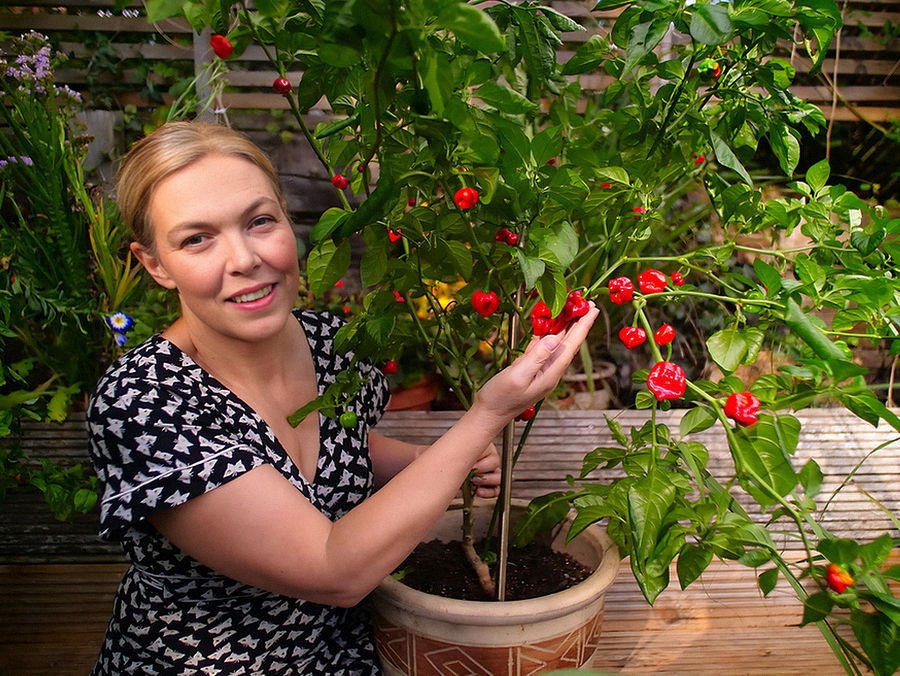
I'm pleased to have grown such a specimen
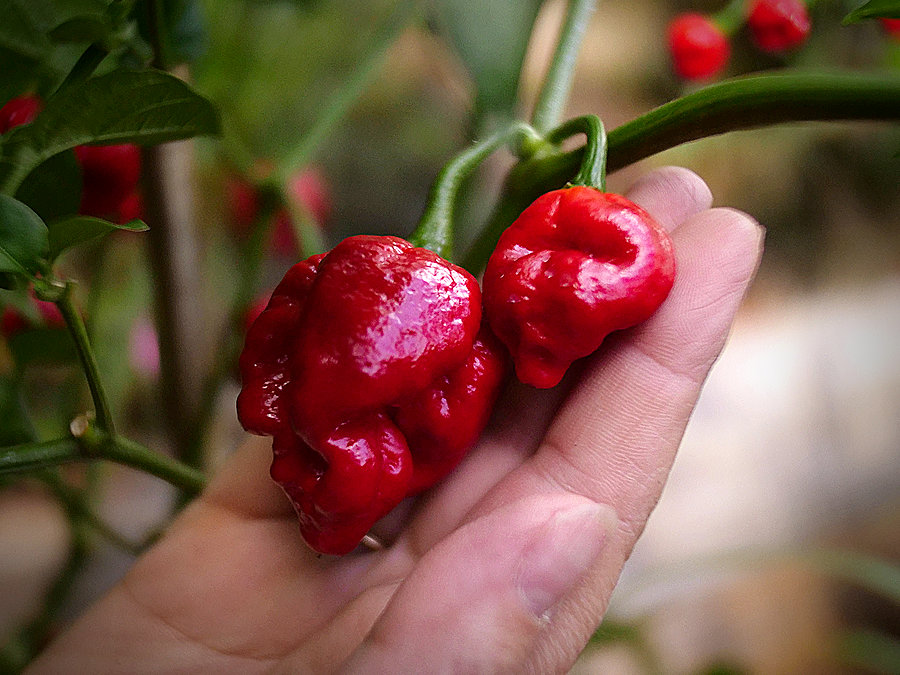
Moruga pods have a gorgeous red colour
pods were maybe a touch small

a decent crops of super hot pods
While I didn't end up with a gazillion pods (they're mind-bendingly hot), I'll have plenty to make into hot sauce. I plan to create these spicy delights as Christmas presents, alongside jams and jellies from my other successful plants.
Handmade gifts are not only environmentally friendly but also fantastic conversation starters. With my Red Moruga chilli sauce, the post-Christmas turkey or a bit of cheddar will never be the same again. It's the perfect way to add some fiery excitement to the festive season!
Red Moruga Scorpion flavour
the Red Moruga Chilli, known for its intense heat that's not suitable for the faint of heart. This chilli is sparingly used in cooking due to its extreme spiciness, and it's important to exercise caution when handling it. Despite its fiery reputation, the Red Moruga Chilli offers a nuanced flavour profile. Beneath the intense heat, you can discover fruity and slightly sweet notes that add depth to its character. It's a reminder that in the world of chillies, there's more than meets the eye.
When incorporating the Red Moruga Chilli into your dishes, a little goes a long way. You don't need to overwhelm your recipes with this potent chilli; a small amount can provide the desired level of heat and a touch of fruitiness. It's all about achieving a balance between extreme spiciness and subtle sweetness.