Classic Cooking Chillies, Grown from Seed.
Classic cooking chillies, grown from seed.
Jump to Classic Chilli Seeds
Some chillies fall in and out of fashion. The classics endure because they work. These are the varieties people have been growing from seed for decades — sometimes centuries — because they deliver flavour, balance and dependable results year after year.
From the fruity heat of Habanero to the clean bite of Cayenne and the deeper notes associated with Chipotle types, these chillies form the backbone of everyday cooking across the world.
This collection brings together time-tested chilli seeds chosen for how they grow as much as how they taste. Each one produces plants known for reliable cropping and pods with real culinary purpose. These are chillies with history and character — the kind you come back to once you’ve grown them yourself. Tips on how to grow from seed can be found in Grow Chillies from Seeds.
-
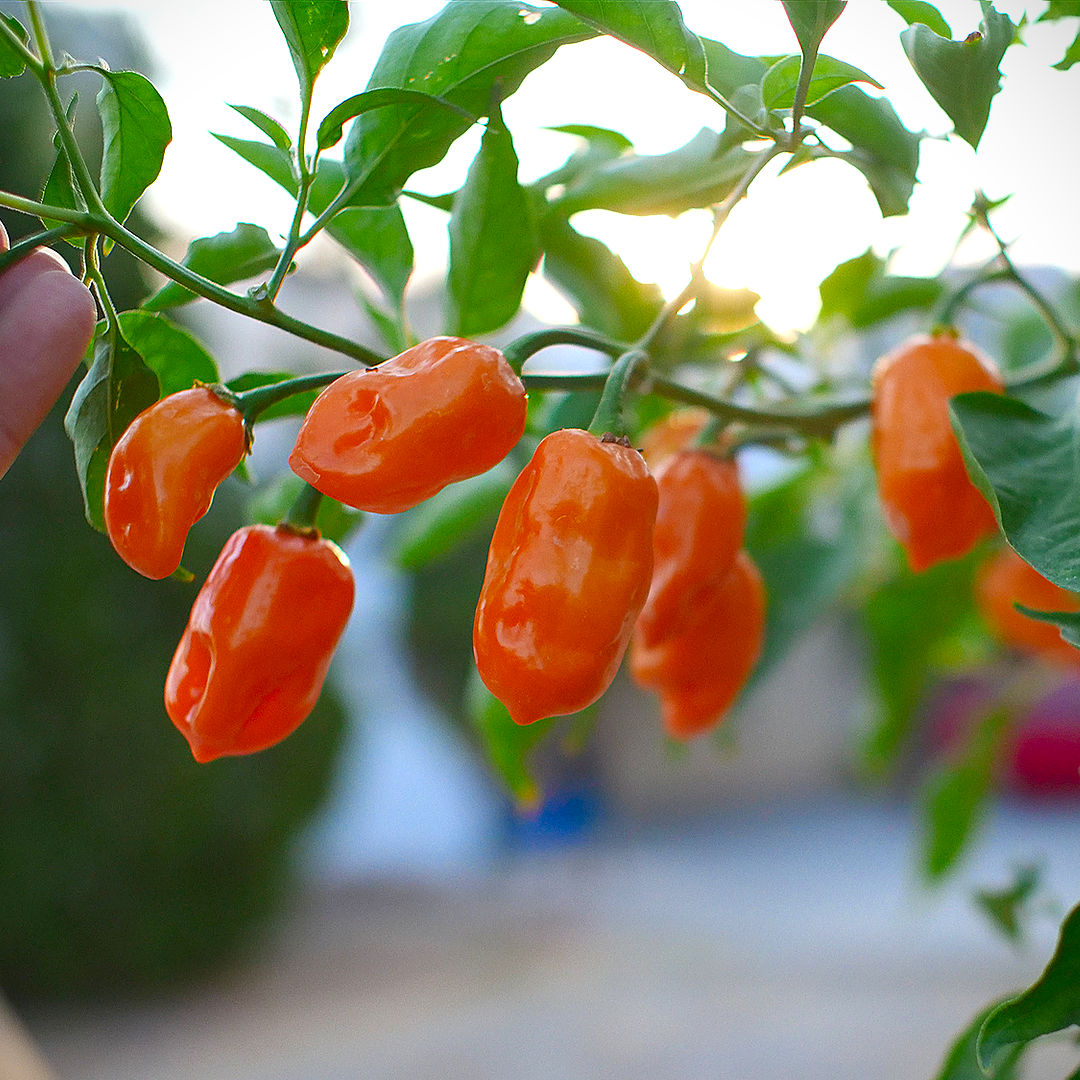
Orange Habanero Chilli Seeds: Zesty orange, fiery punch. £2.25
-

Mixed Habanero Chilli Seeds: A rainbow of heat & fruity fire. £2.50
-

Red Habanero Chilli Seeds: citrus notes with habanero fire. £2.25
-

White Habanero Chilli Seeds: Citrus-bright heat with real bite.£2.25
-

Chocolate Habanero Chilli Seeds: Rich, smoky & devilishly hot. £2.25
-

Lemon Habanero Chilli Seeds: Citrus burst with a fiery kick. £2.25
-

Yellow Fatalii Chilli seeds: Bright yellow, the ferocious African £2.50
-
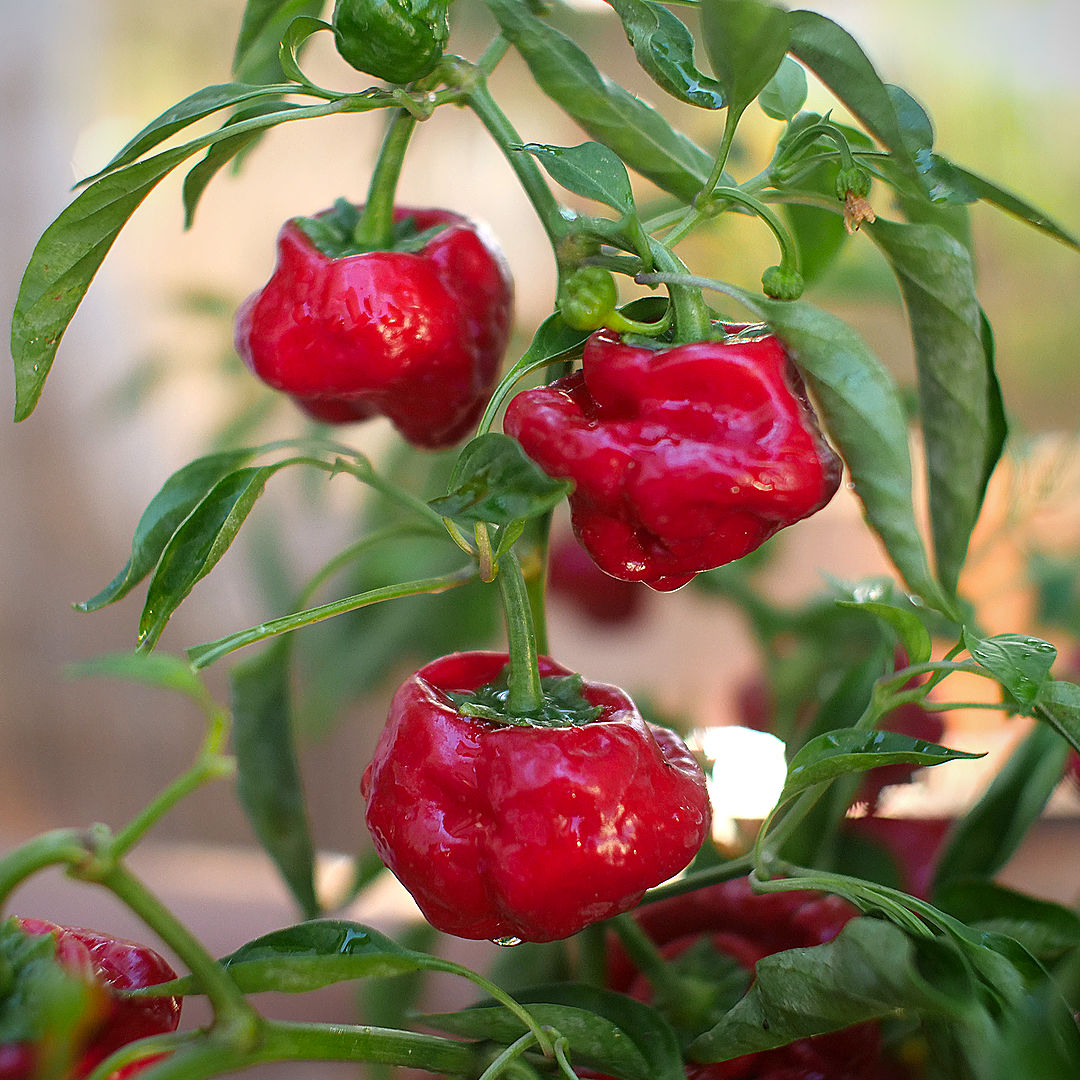
Jamaican Hot Chilli Seeds: Tropical fire, island vibes. £2.25
-

Yellow Jamaican Hot Seeds: Fruity island heat in punchy pods.£2.25
-
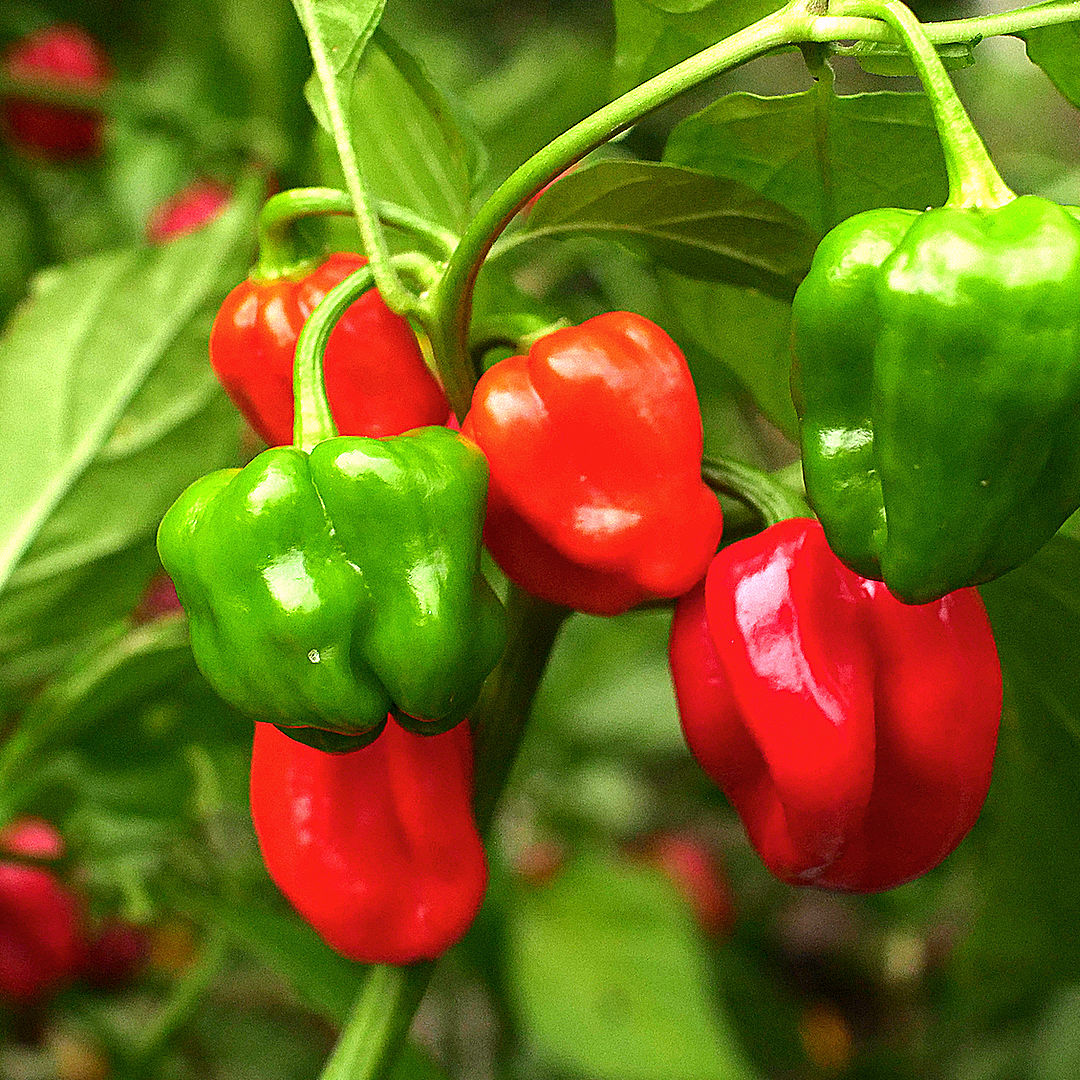
Scotch Bonnet Chilli Seeds: Tropical heat with fruity flair. £2.50
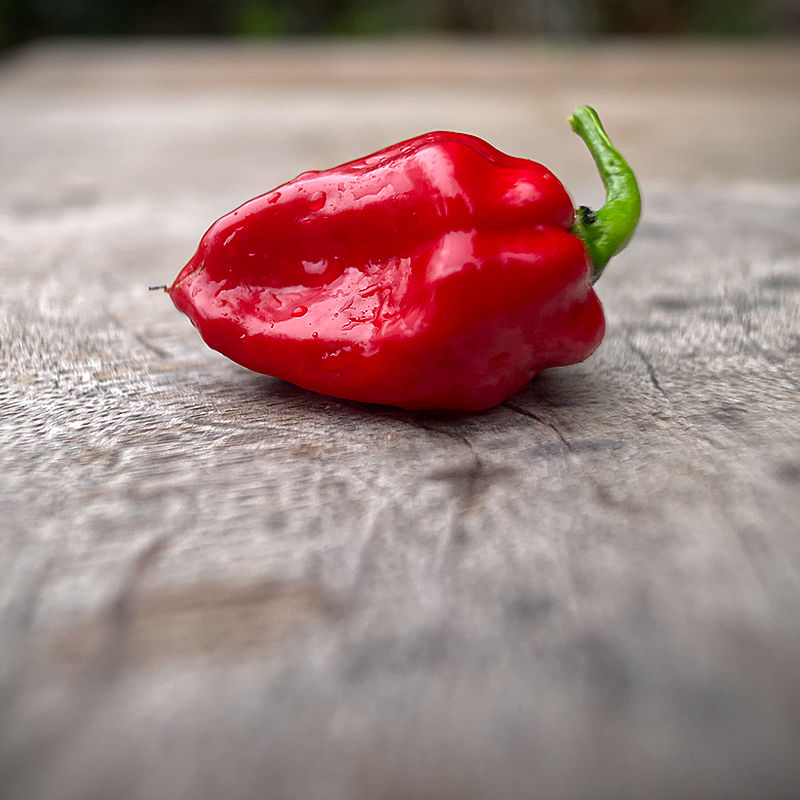
Super-Hot Chilli Seeds: Extreme heat.
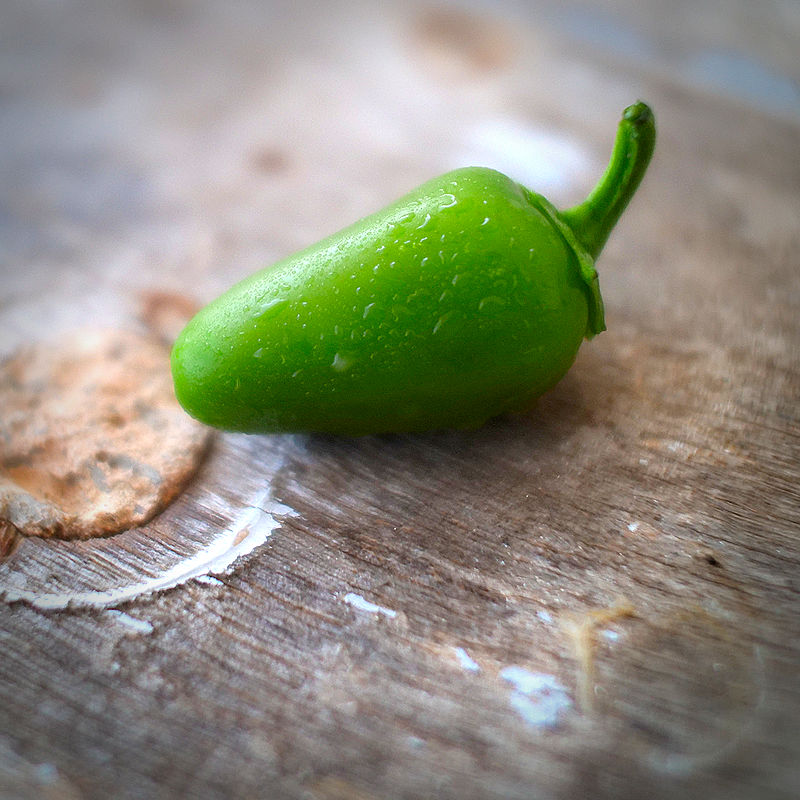
Cooks’ Chilli seeds for real cooking.
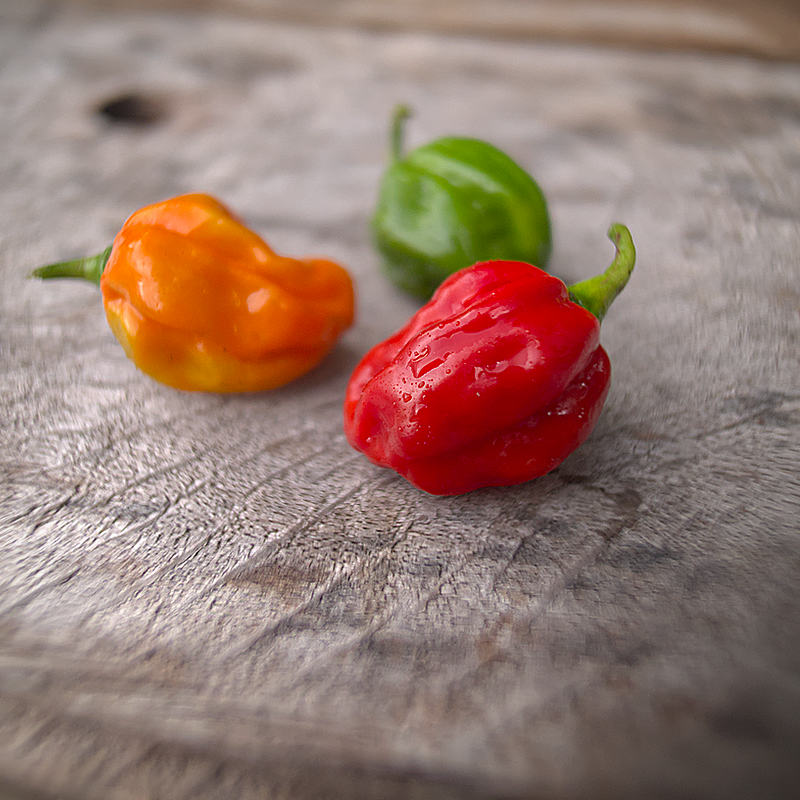
A-Z of great Chilli seeds. All in one place.
Top Tips for Potting on Chillies
Top Tips for Potting on Chillies
1 |
Packaging |
|---|---|
Packaging: Leave your chilli plants in the packaging upright for 24 hours before potting them on in a warm sunny location. This will help them to acclimatise to their new environment and reduce the stress of being transported. |
2 |
Potting on |
|---|---|
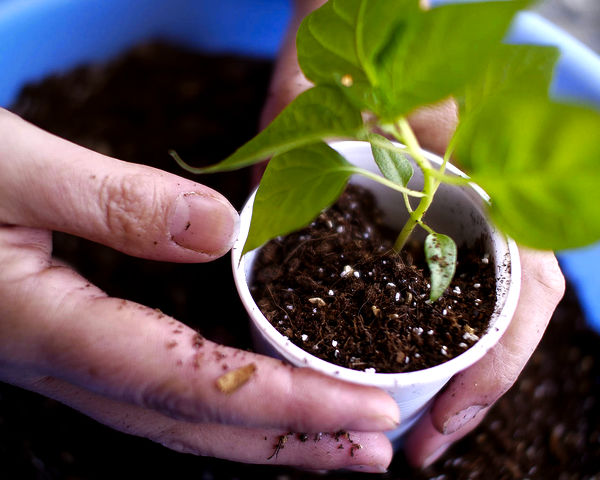
Potting on: Pot the chilli plants on into a 9cm pot, which could be a plastic cup with holes in the bottom. Avoid using a pot that is too big, as the chillies may concentrate on root growth rather than foliage. |
3 |
Growing Medium |
|---|---|
Growing Medium: Chillies hate having soggy roots. Use a free-draining medium of coir compost and vermiculite when potting on your chilli plants. This will help to ensure that the soil doesn't become waterlogged, which can be harmful to the plants. |
4 |
Drooping |
|---|---|
Drooping: Don't panic if your chilli plants droop when potted on - this is normal. They may look a bit unhappy for a few days, but they will soon recover. |
5 |
Sunlight |
|---|---|
Sunlight: Chilli plants need plenty of sunlight to grow well, so it's important to place them on the sunniest windowsill in the house. If you have supplementary LED grow lights, don't forget to use them on your chilli plants even when they are on the windowsill. However, be sure to take them off at night if there's a draft or they are behind curtains to prevent them from getting too cold. |
6 |
Temperature |
|---|---|
Temperature: Keep in mind that chillies are tropical plants and need to be kept warm. Chinense varieties, in particular, are susceptible to cold and drafts, so it's important to protect them whilst they are young and tender. |
7 |
Watering |
|---|---|
Watering: Water your chilli plants plants well after potting on, but be careful not to drench them. This is the only time to water them well - after this, water them sparingly. Chilli plants are much happier in slightly dry soil, so avoid over-watering as it can lead to root rot and problems with nutrient uptake. |
8 |
Feeding |
|---|---|
Feeding: Only use chilli plant feed after a couple of days, and be careful not to overfeed. A balanced fertiliser, should be used at half strength every couple of weeks such as seaweed feed. |
9 |
Labelling |
|---|---|
Labelling: Finally, remember to label your chillies. This will help you to keep track of the different varieties and ensure that you can identify them later on. It's might even be good idea to keep a record of when you potted them on and how they are growing, so that you can make adjustments if needed. |
Grow yourself happy

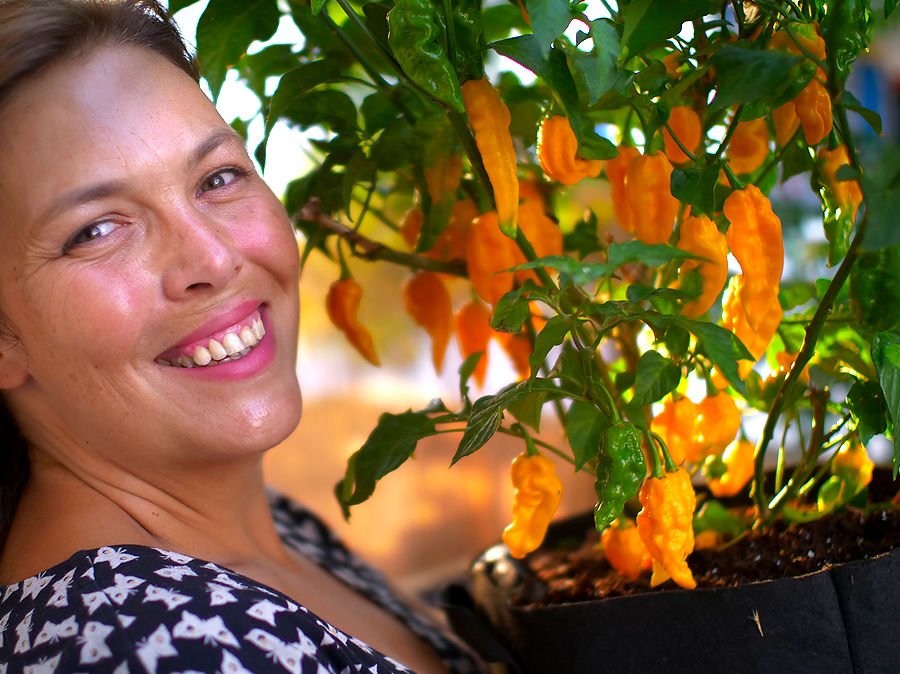

Growing tips from World of Chillies
Chilli Problems
Chilli Blogs

Chilli Nutrients
Potting On Chillies
Chilli Pests
Chilli Diseases
World of Chillies was set up by Sarah Hunt in 2011 to promote chilli growing and the enjoyment of everything hot and spicy.
UK Company No. 07860204.
VAT reg. 223126942