Scotch Bonnet Seeds
the caribbean original

Scotch Bonnet Chilli Seeds

Scotch Bonnet Chilli Seeds

Tropical heat with fruity flair:Heat Level: ★ ★ ★ ☆ ☆
The Scotch Bonnet is a true Caribbean legend—fiery, fruity, and full of life. I’ve grown dozens of chillies over the years, but this one always makes me smile. It’s not just about the heat (though with around 325,000 Scoville Heat Units, it packs a serious punch)—it’s the sunny, tropical flavour that sets it apart. There’s a natural fruitiness to it, often likened to apricot or mango, with a tangy edge that makes it one of the most distinctive chillies in the world.

Despite the name, it’s not remotely Scottish. The name comes from its squashed, bonnet-like shape, which resembles the old Tam o’ Shanter hat. The chilli itself is proudly Caribbean, found in just about every kitchen and roadside jerk shack from Jamaica to Trinidad. It’s a cornerstone of jerk seasoning, and if you’ve ever had proper Jamaican jerk chicken or pork, chances are you’ve tasted its unmistakable sting.

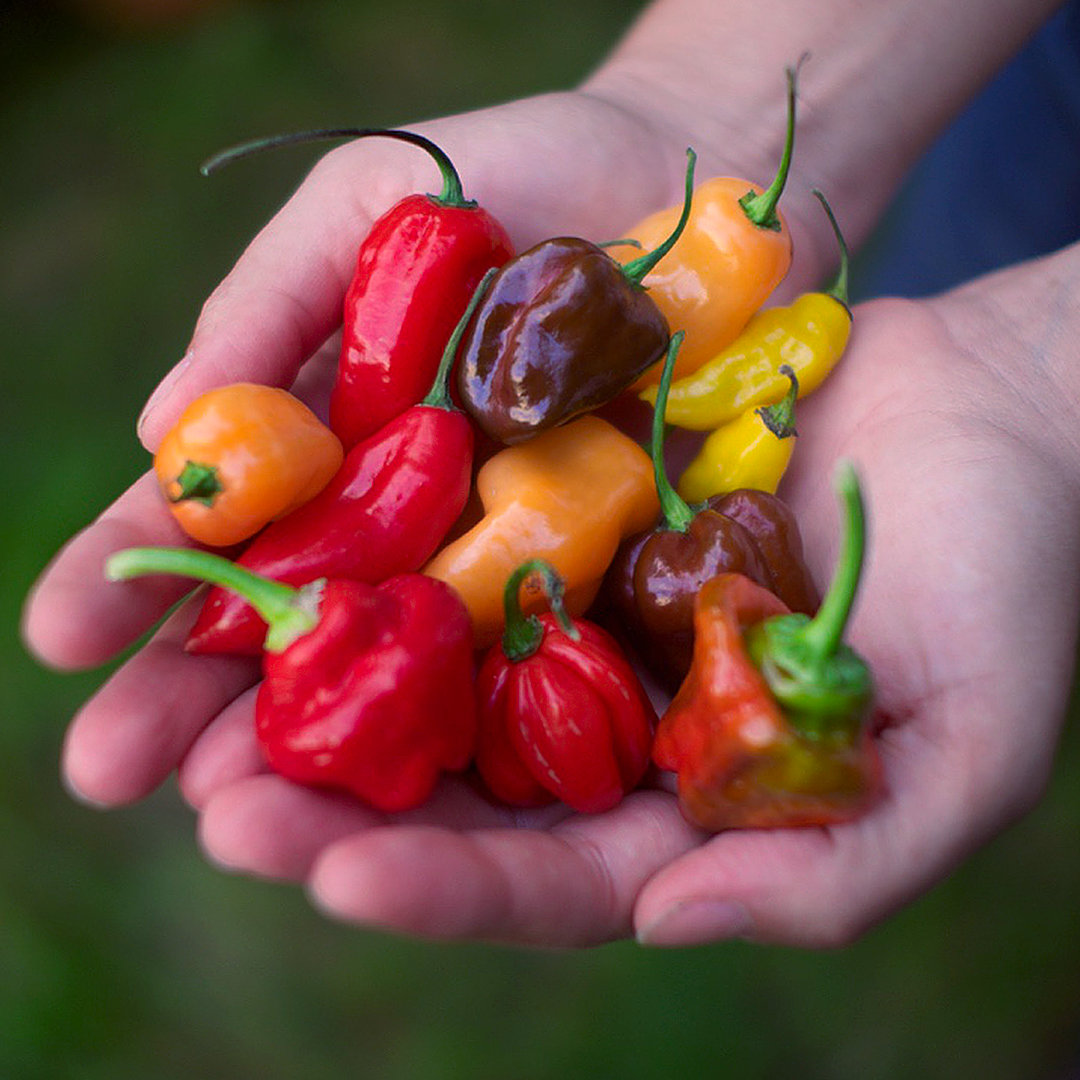
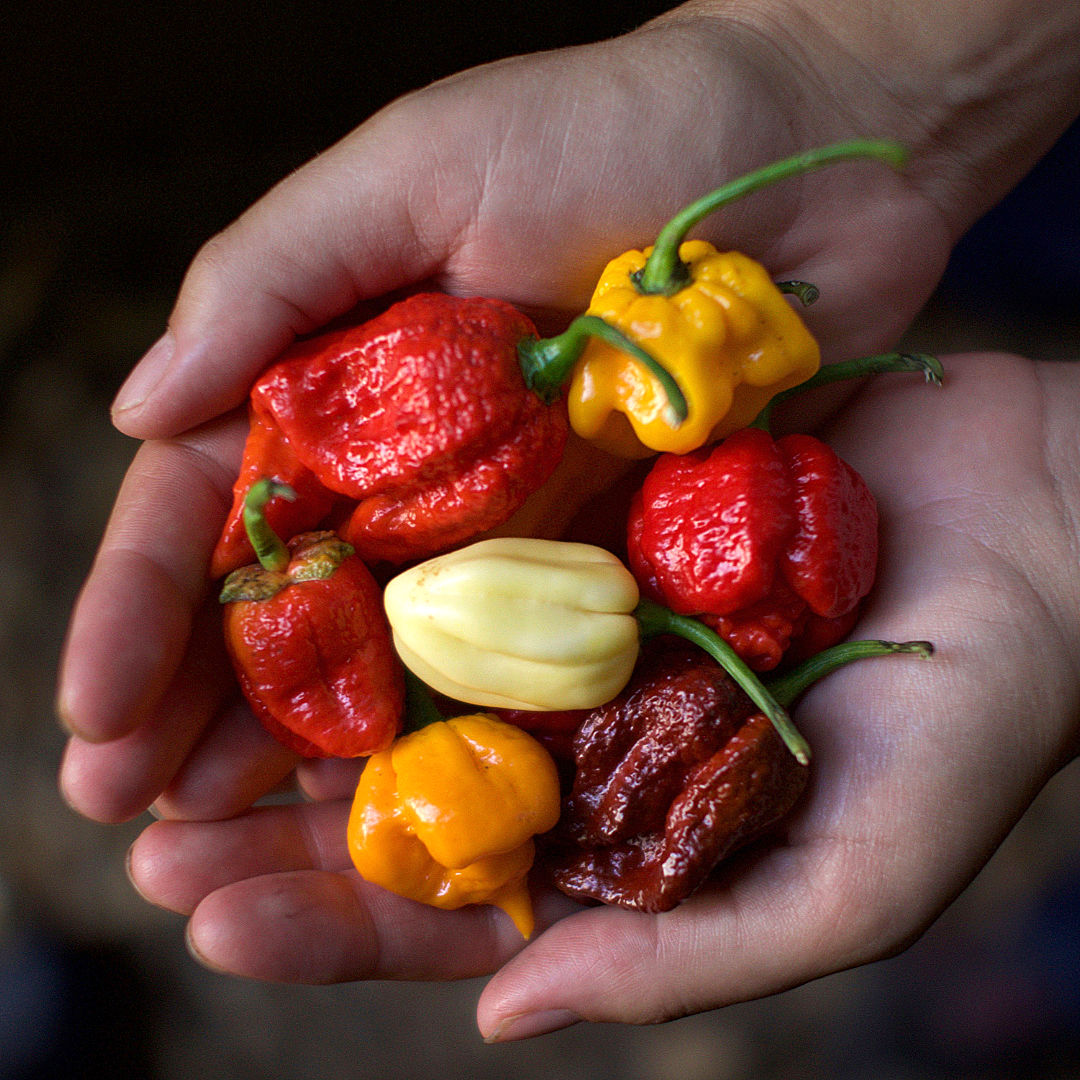
Interestingly, Scotch Bonnets aren’t just one variety. There are dozens of subtypes, some squat and blocky, others elongated and gnarlier. You’ll see red, orange, yellow, and even chocolate-coloured versions. In Jamaica, the classic yellow-orange types are often called “true Scotch Bonnet” and are prized for their balance of heat and fruit.

It’s sometimes compared to the Habanero—and yes, they’re both Capsicum chinense, and both very hot—but the flavour is different. Habaneros are sharper, sometimes more floral, while the Scotch Bonnet is softer, fruitier, and more rounded. It’s not just about searing heat; it’s about flavour that holds up in a sauce, a stew, or even a raw salsa.

Growing-wise, it does well in a warm, sunny greenhouse or sheltered patio, and the plants are productive and handsome, with broad leaves and a sprawling habit. I’ve found them reliable even in cooler summers, and the colour change as they ripen—from green to vibrant orange or red—is always a joy.

There’s a reason this chilli has become a symbol of Caribbean cooking and identity. It’s not just spicy—it’s celebratory. If you want a chilli that delivers heat, flavour, and cultural heritage all in one bite, the Scotch Bonnet is a must-grow.

For a quicker start, I also grow Scotch Bonnet plug plants, ready to pot on.

Additional Information

Packet Contents: Ten seeds per packet.

Species: Capsicum chinense

Heat Level: Very hot, typically around 325,000 Scoville Heat Units (SHU)

Fruit Appearance: Small, bonnet-shaped pods that ripen from green to bright orange, red or yellow. Squat and wrinkled, often resembling the Tam o’ Shanter hat

Flavour Profile: Fruity, tangy, and tropical with notes of apricot and mango. Full-bodied and complex, not just about heat

Uses: Essential in Caribbean cooking—especially jerk seasoning, sauces, stews, and salsas. Can be used fresh or cooked, but always adds bold flavour

Growth Habit: Bushy and productive, thrives in warm, sunny conditions. Suitable for greenhouses or sheltered patios

Origin: A Caribbean classic with deep roots in Jamaican cuisine. The name refers to its shape, not its heritage

How to Grow Chillies: My free 28-page booklet, "How to Grow Chillies," is included with every plant or seed order

Coir Blocks

Classic Hots

Record-breakers
Cooks' Collection


World of Chillies was set up by Sarah Hunt in 2011 to promote chilli growing and the enjoyment of everything hot and spicy.

UK Company No. 07860204.
VAT reg. 223126942

1. Easy to Grow: Some chillies are just a joy to grow — compact, reliable, and happy in a pot (5). Others shoot off in all directions or sulk at the first sign of wind (1). I’ve given higher scores to the ones that do well here in the UK.

2. Ornamental Quality: A few of these are real show-offs, with pods that look like jewels or dramatic foliage that turns heads. Others are more practical than pretty. This score is just about how good they look on the patio or in the greenhouse.

3. Heat Level: This isn’t a technical SHU score — it’s just a kitchen-friendly 1 to 5. A 1 means very mild (like a jalapeño), a 5 is properly hot (think Bhut Jolokia). It should help you judge what you’re in for!

4. Hardiness: How well do they cope with our unpredictable summers? I’ve given higher scores to the tough ones that keep going through cool nights, wind, or patchy weather without much fuss.

5. Culinary Use: This one’s about how often I actually use them. Some are perfect for pickling, stuffing or powders — others look good but don’t end up in many meals. If it’s flavourful and versatile, it scores high.

Hover or touch to pause carousel