Why So Many Hot Sauces Start With Chinense Chillies
Why So Many Hot Sauces Start With Chinense Chillies
There’s a moment every season when the chinense chillies start to ripen properly. Usually it happens on a warm afternoon in the greenhouse when the air is still and heavy. You walk in and the smell is there immediately.
Not the usual green scent of leaves and stems. Something richer — fruity, almost tropical. Mango, citrus, sometimes something faintly floral. If I brush the plants or pick a fruit the smell stays on my fingers for hours. After growing these peppers for twenty years I’ve come to recognise that aroma instantly. And it turns out the explanation is chemistry.
Anatomy of a Chinense Chilli





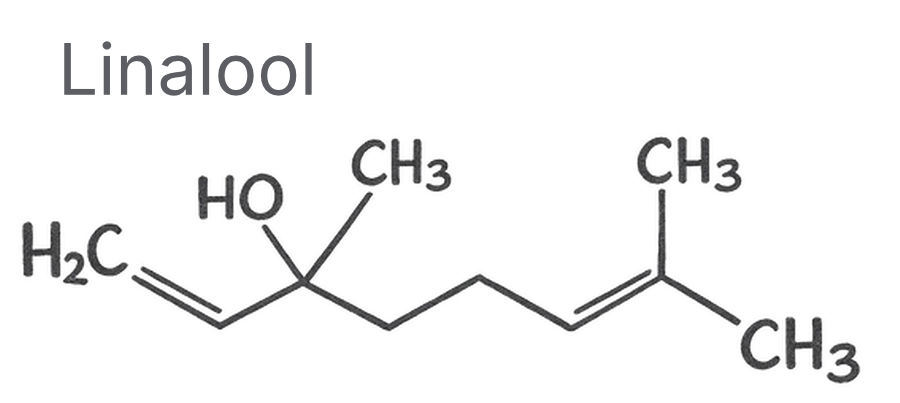
Chinense peppers produce unusually high levels of volatile aromatic compounds, particularly a group of molecules known as esters. Two of the important ones are ethyl 2-methylbutanoate and hexyl acetate, along with a terpene called linalool.
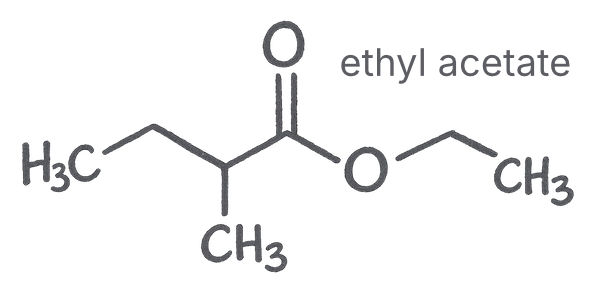
These are the same kinds of compounds responsible for the aroma of many fruits. In most vegetables they appear only in tiny trace amounts, but chinense chillies produce them in much higher concentrations. That’s why a freshly cut habanero smells more like tropical fruit than a typical vegetable.
The heat comes from a completely different set of chemicals — the capsaicinoids, mainly capsaicin and dihydrocapsaicin. These compounds are produced in the placental tissue, the membrane inside the chilli where the seeds attach.
In chinense varieties that tissue tends to be thick and oily, which means that when the peppers are blended into a sauce they release both heat and flavour very efficiently.
Another useful detail is sugar. Chinense peppers often contain relatively high natural sugar levels.
When peppers are fermented — which is how many traditional Caribbean and Central American sauces are made — those sugars feed lactic acid bacteria, producing the gentle acidity that stabilises the sauce and deepens the flavour.
Even the colour has a chemical explanation. The glowing oranges and reds of habaneros come from carotenoid pigments, particularly capsanthin and capsorubin, which remain stable when the peppers are blended or cooked.
I notice all of this most clearly when I’m making sauce in the kitchen. Once the peppers hit the blender the whole room fills with that same hot-fruit aroma I smell in the greenhouse. It’s sharp, sweet and spicy all at once. And months later, when you open a bottle of homemade sauce, the smell is still there waiting.
Put those pieces together — fruity esters, powerful capsaicinoids, fermentable sugars and stable carotenoid pigments — and you start to see why sauce makers all over the world keep returning to this particular species.
Many of the chillies in our Classic Hots collection belong to this remarkable group, which is why they make such reliable sauce-makers.

World of Chillies was set up by Sarah Hunt in 2011 to promote chilli growing and the enjoyment of everything hot and spicy.
UK Company No. 07860204.
VAT reg. 223126942