Chillies for the WindowsillUpright structure, moderate leaf area and lighter pods make these plants well suited to confined root space.
Chillies for the Windowsill
Upright structure, moderate leaf area and lighter pods make these plants well suited to confined root space.


Growing chillies in tiny pots sounds faintly optimistic. Most varieties would rather stretch their roots deep into generous compost and sprawl to their heart’s content. But some don’t demand that. Some, by structure and temperament, are perfectly capable of living — and cropping — on a bright windowsill.
These are not novelty plants. They look good, they taste serious and they produce properly. If space is tight, or you know someone in a flat who’d love fresh heat within arm’s reach of the kettle, these are the varieties that make it realistic.
The reason isn’t magic. It’s morphology. Small leaf surface area: Smaller leaves mean lower transpiration. In confined root space, that matters. Less water stress equals steadier growth.
Fine, fibrous roots: Rather than relying on one dominant taproot, these plants form dense, fibrous root systems that make better use of limited compost. Moderate ultimate size: They branch rather than sprawl. Even in warmth they tend to build structure instead of racing upward like some baccatum types.
Fruit size versus plant mass: Tiny berries or slim pods place far less demand on the plant than thick-walled, heavy fruits. The energy requirement per pod is lower, which keeps production sustainable in a smaller container. They would all grow larger in bigger pots. But crucially, they don’t sulk when restricted.

-

Wild-type Pequin plant carrying dozens of small, upright red pods typical of this Mexican bird pepper.
-

Single ripening Pequin pod, showing the classic tapered shape and glossy red finish.
-

Freshly dried Pequin chillies — small, firm fruits traditionally used dried or crushed.
-

A resilient desert-edge annuum that tolerates heat and lean conditions better than most cultivated types.

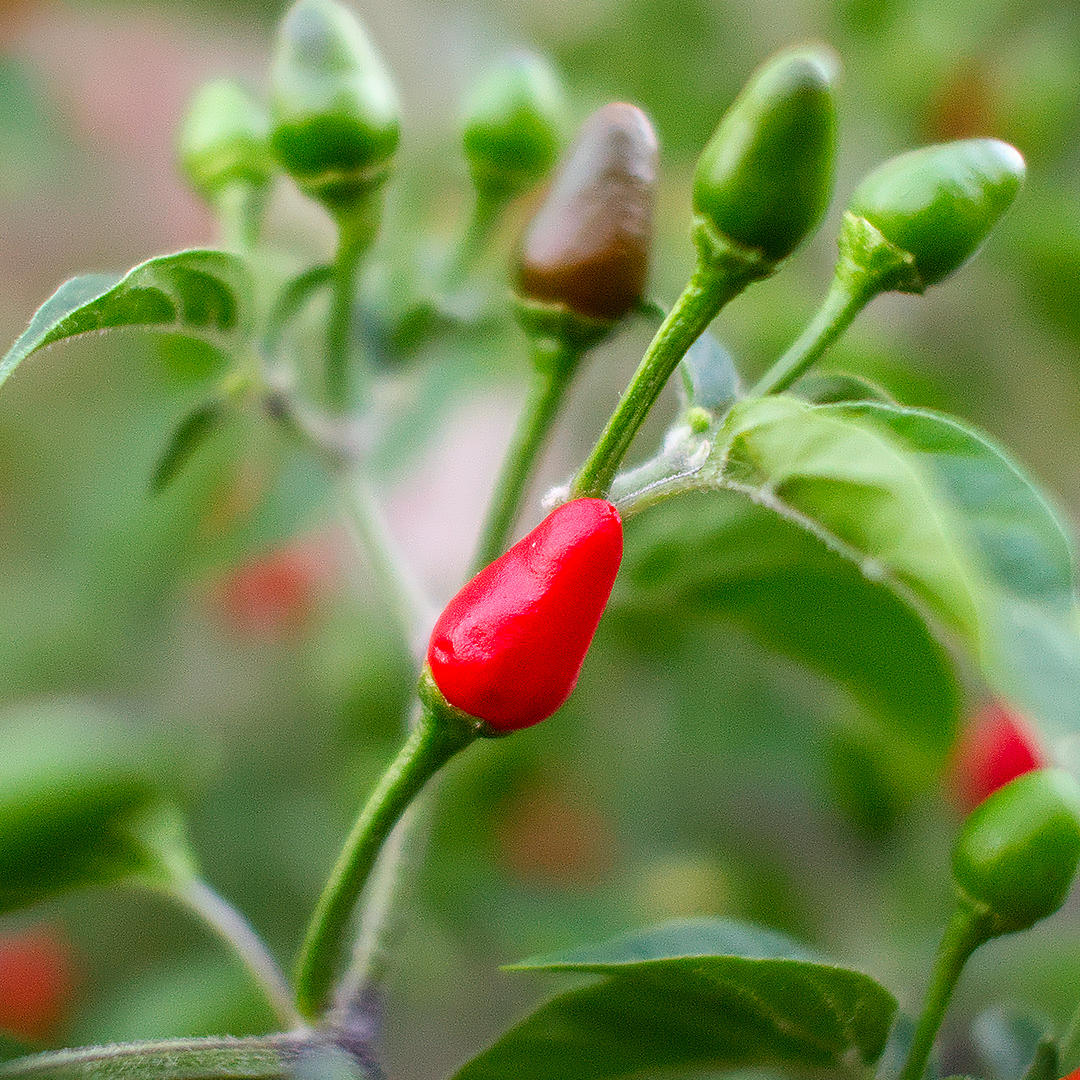


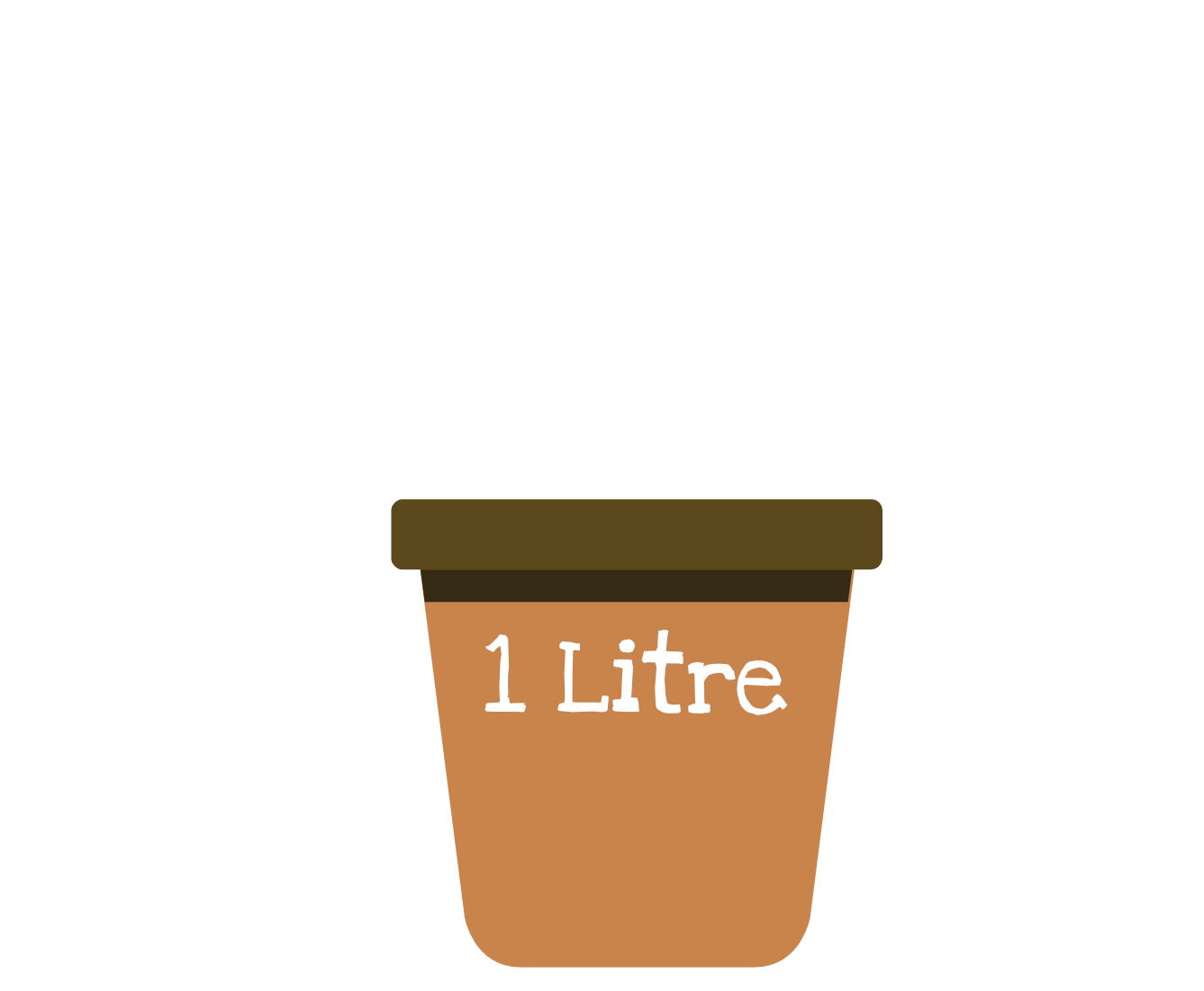
Pequin has the look of a survivor. It comes from dry, hot regions and carries that temperament into cultivation. In ideal conditions it will reward good soil and consistent watering. But it does not collapse if conditions are lean. I once grew a surprisingly vigorous plant in a one-litre yoghurt pot — not ideal, but entirely viable.
The pods are small, upright and bright red when ripe. Heat usually sits around 40,000–60,000 SHU, though stress can push it higher. It is often hotter than supermarket “hot” chillies and delivers a clean, direct burn that arrives quickly and fades without muddiness.
One of its strengths is how well it dries — many fruits will partially dry on the plant itself. A small pot of Pequin will produce enough heat to see you through a winter of chilli con carne or to crumble into sauces and stews in modest amounts. It is not ornamental fragility. It is functional resilience. Pequin →
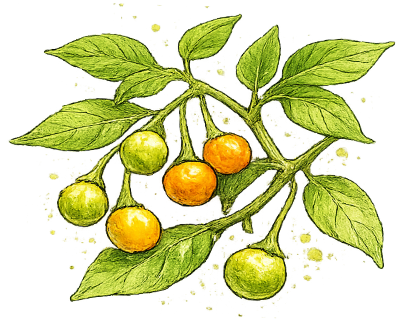
-

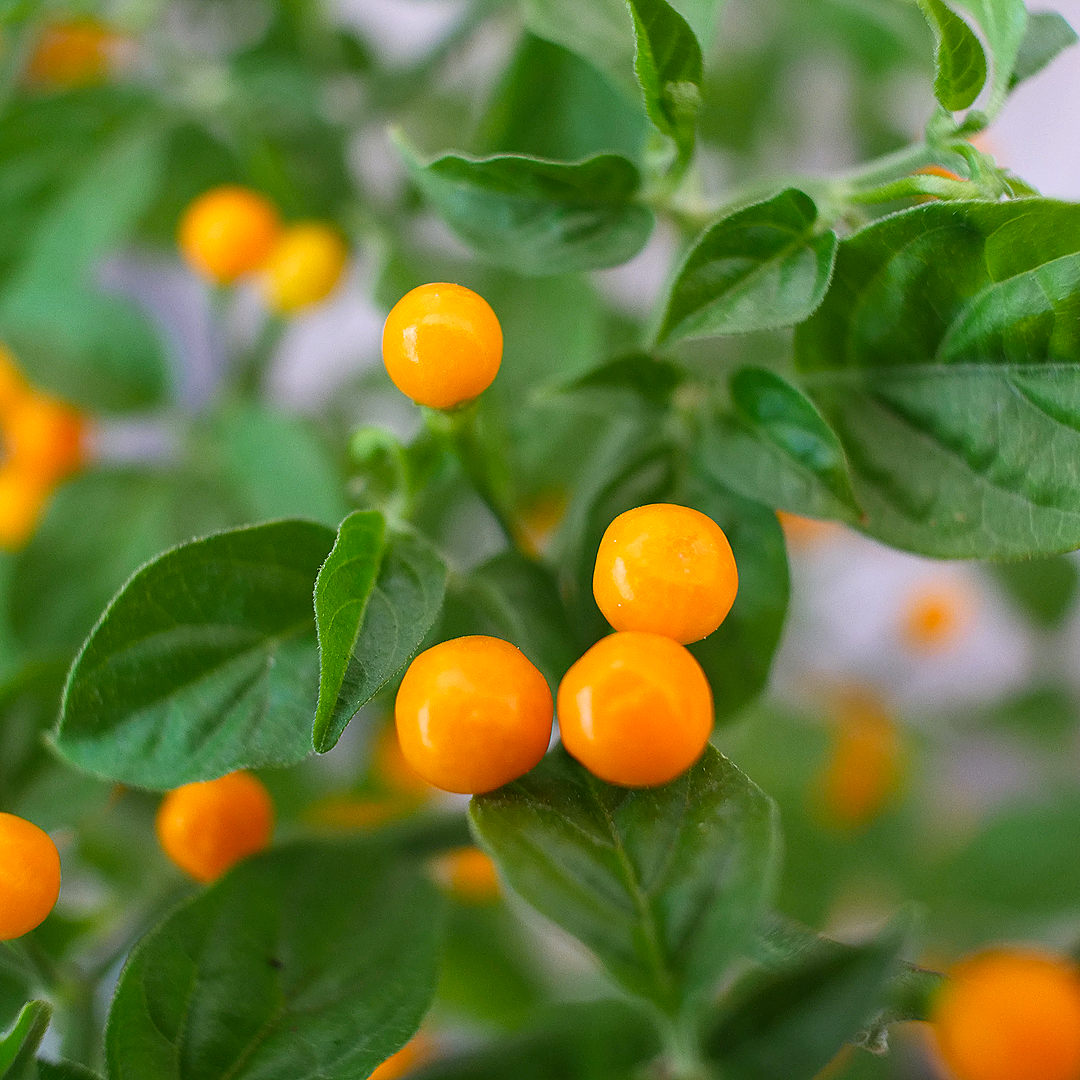
Charapita producing its distinctive marble-sized yellow berries against dense green foliage.
-

Clusters of ripening Charapita pods, valued for their intense aroma relative to their size.
-
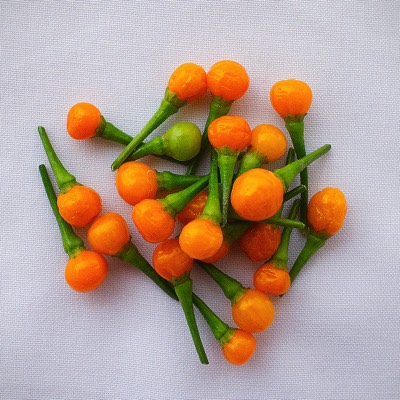
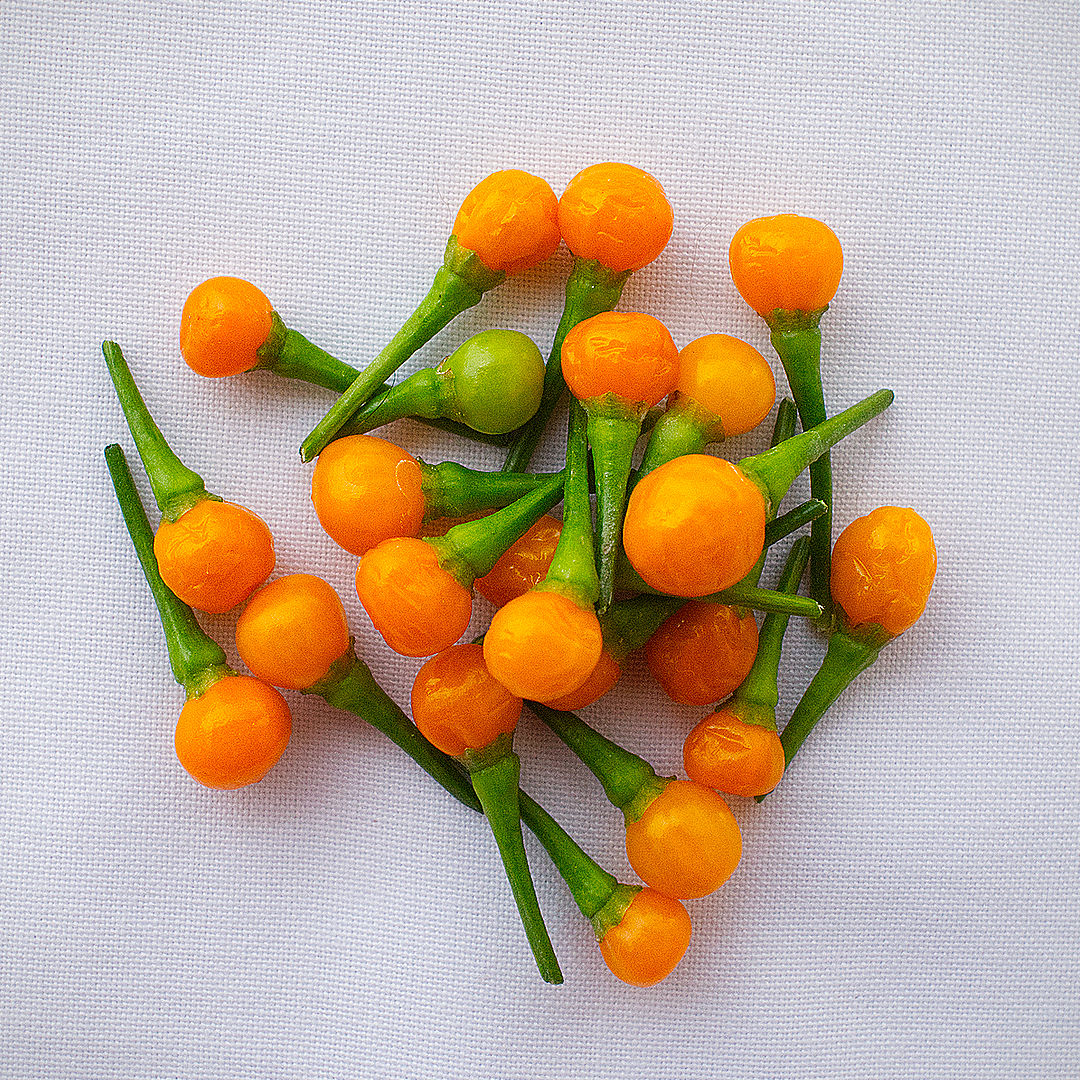
Harvested Charapita berries — tiny, spherical fruits traditionally used fresh or dried in Amazonian cooking.
-

Charapita's small leaves, fine root system and modest fruit size allow it to adapt well to container cultivation with warmth and steady light.


I tried to germinate this for two years without success. No excuses. It simply refused to appear. Then this year it rose like dust and, once established, behaved exactly as its reputation suggests.
Charapita is prized in Peruvian cooking not just for heat but for aroma — there’s a distinct citrus brightness to it. The berries are marble-sized and ripen to a clear golden yellow, sitting like beads against fine foliage. Heat typically falls in the 30,000–50,000 SHU range, though growing conditions influence that. It is chinense heat: aromatic, lingering and cumulative rather than sharp and aggressive.
It’s often described as one of the most expensive chillies in the world, largely because each fruit is so small that harvesting becomes labour-intensive. Whether that claim is marketing or not, the plant itself is undeniably striking.
Structurally, it helps that the leaves are small, the stems fine and the fruit light. Even when grown larger it builds through branching rather than bulk. I’ve grown it as a substantial plant, but I’ve also had a backup plant flourish in a modest grow bag. It adapts better than its Amazonian origins might lead you to expect. Charapita →
-

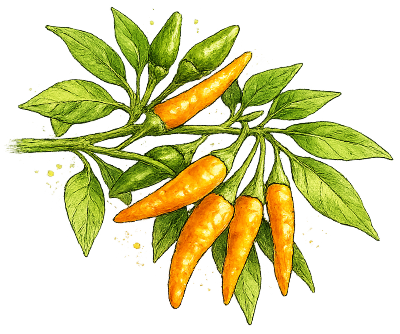
Orange Tyger showing its upright, slender Thai-style pods held above the foliage.
-

Ripening Orange Tyger pods transitioning from green to bright orange.
-

Fresh Orange Tyger chillies — slim, smooth-skinned annuum pods suited to quick cooking and drying. Alt tag:
-

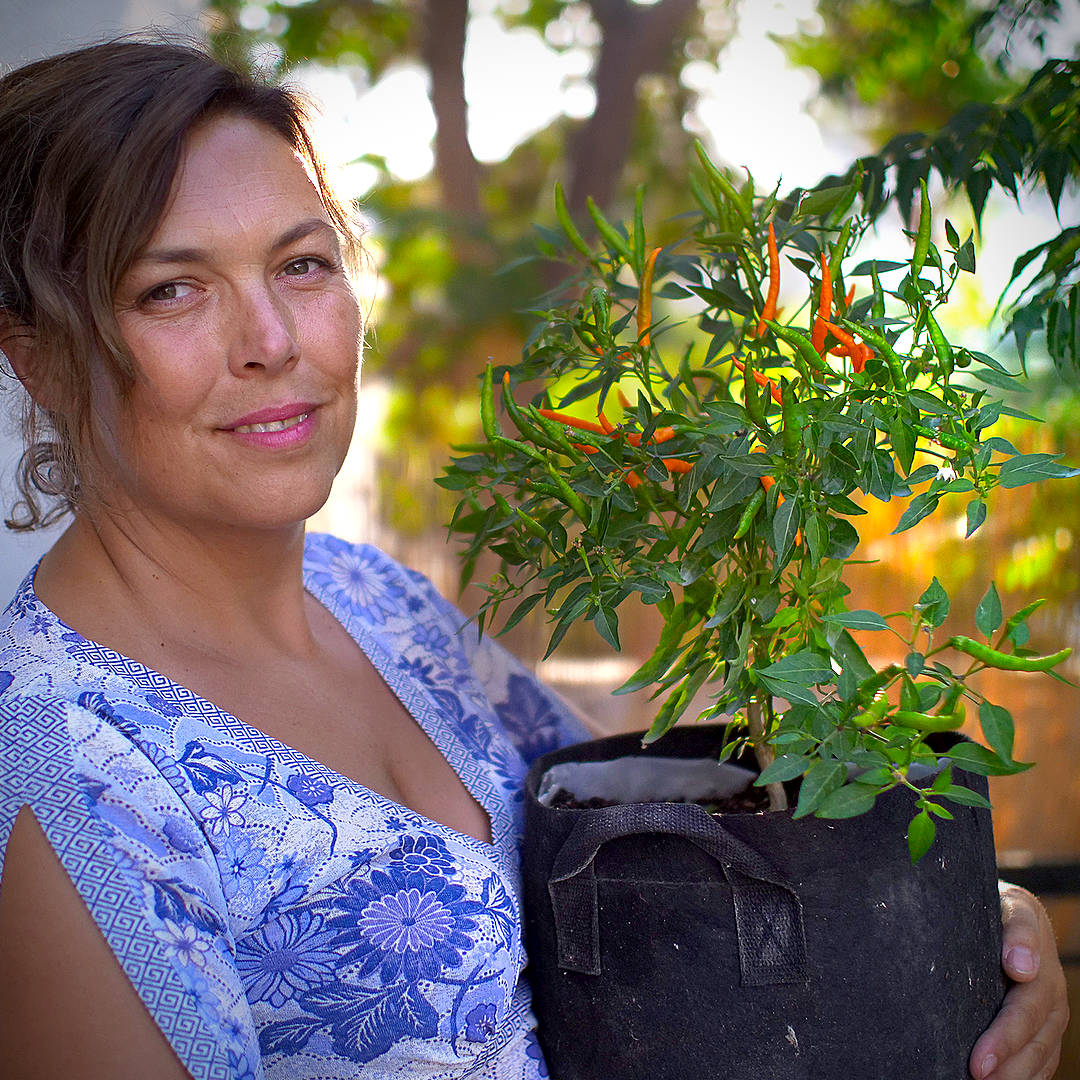
With slim, lightweight pods and an open framework, Orange Tyger performs reliably even in limited soil volume.
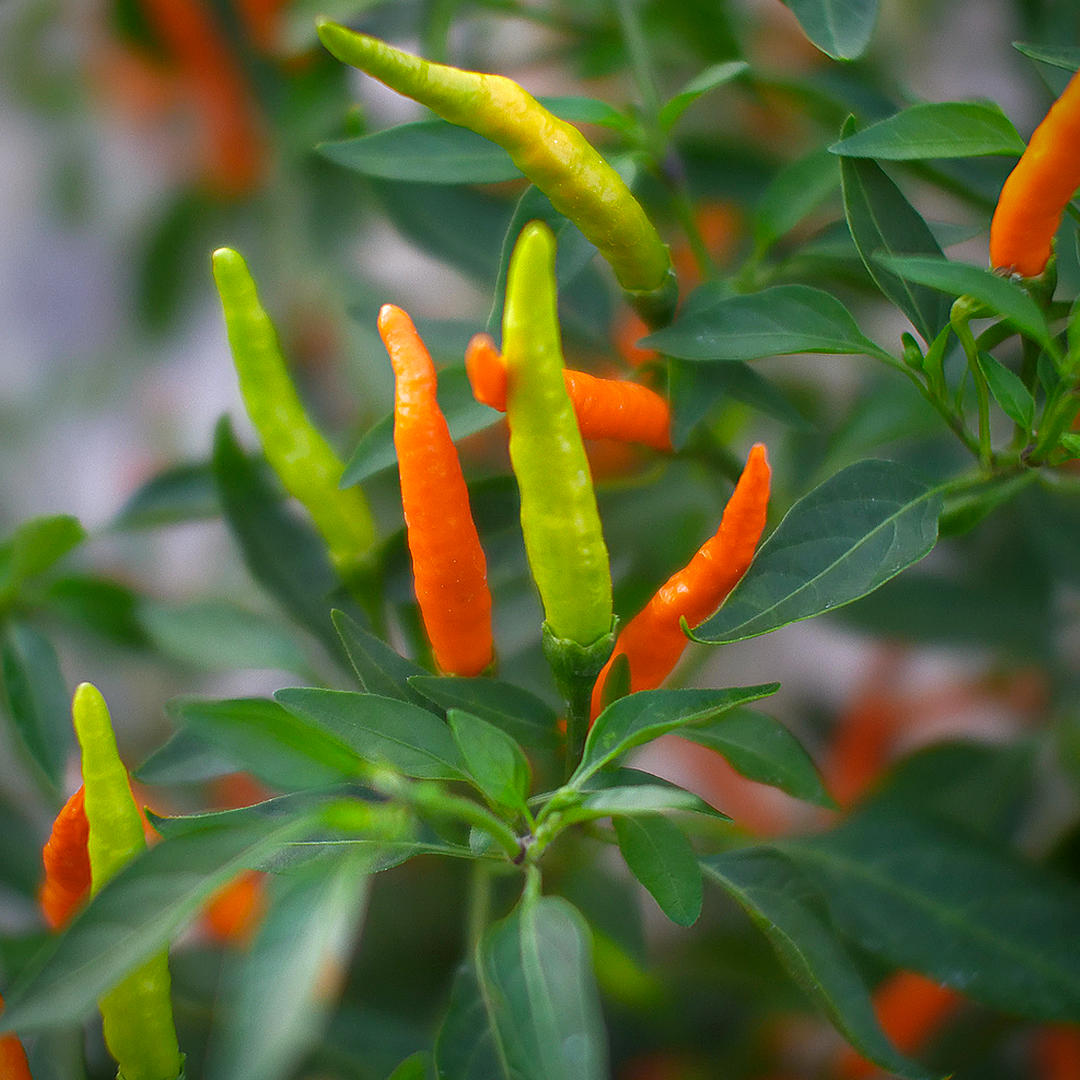
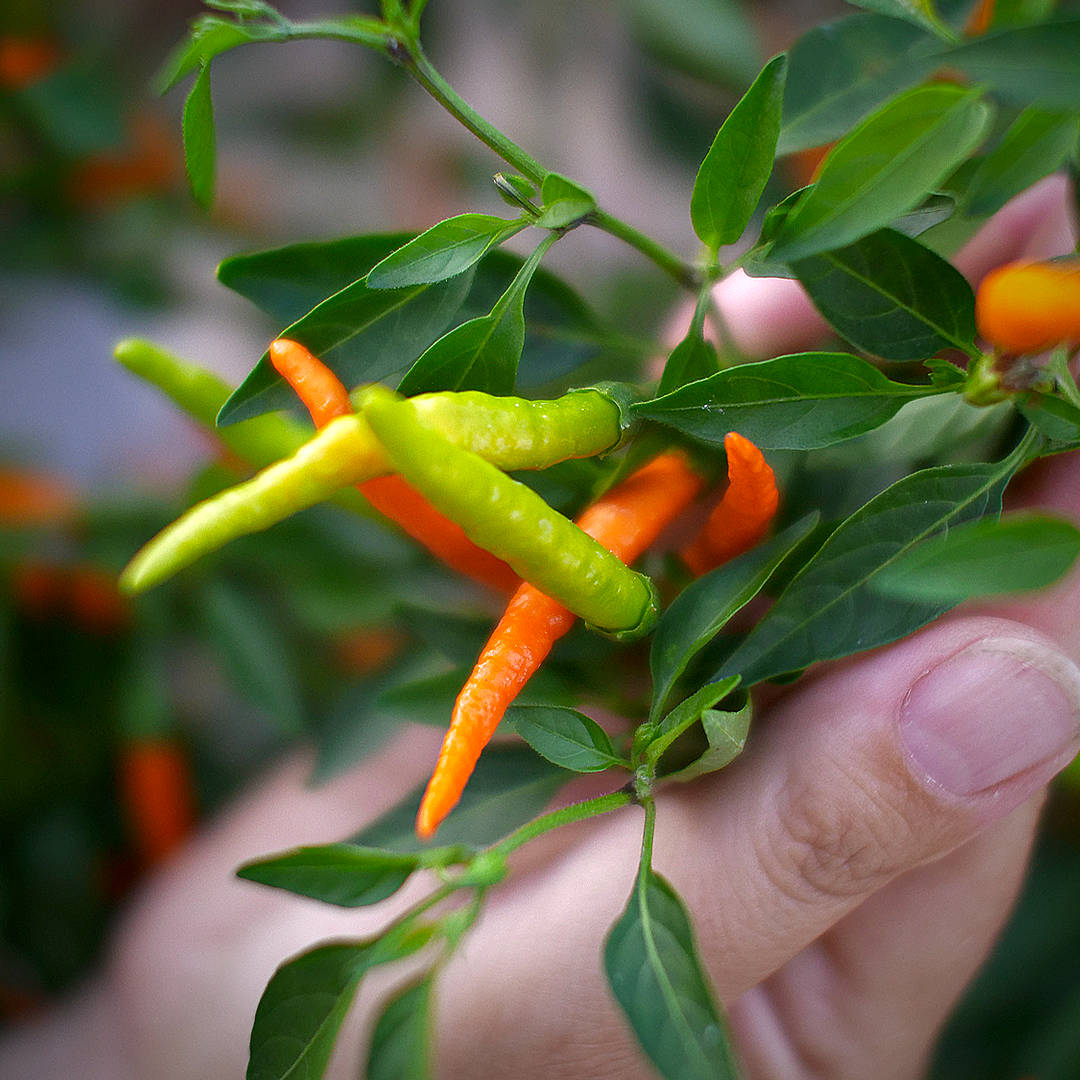

I do mention this one often, but it earns its place. Orange Tyger is a Thai-style Capsicum annuum that produces early and continues reliably. The plant holds its pods upright, clear of the foliage, creating a bright contrast of green and orange that makes it as decorative as it is productive.
Heat generally sits in the 30,000–50,000 SHU bracket. That places it firmly in the “properly hot” category — stronger than a standard cayenne — but without the lingering weight of a chinense. The burn is clean, useful and well suited to everyday cooking.
Once established it tends to keep going. The only note of caution in a small container is airflow. Dense foliage can trap moisture, so ventilation matters as there is a risk of mildew towards the end of the season
Structurally it helps that the pods are slim and relatively light, and the plant grows upright rather than sprawling. That balance between fruit load and framework makes it well suited to container life. Orange Tyger →
These three are troopers. They would all enjoy larger pots, but they survive well and — more importantly — crop continuously in smaller ones. Each is properly hot, so a handful of pods goes a long way.
They are quite happy on a sunny windowsill and will produce through the summer. They can also be lightly pruned to keep them in check. If you are short of space, or have a friend or relative who would love fresh chillies without a garden, these are reliable choices.
Keys to Success
• Ensure excellent drainage. A hole in the base and a saucer underneath is essential.
• Use good compost, ideally loosened with some coir. This small volume is their entire world.
• Feed once flowering begins. A quality tomato feed works well.
• Provide ventilation. An occasional trip outdoors in warm weather helps enormously.
• Keep picking. Regular harvesting encourages continued production.
• Watch for greenfly. In a house there are no natural predators. The advantage of a small plant is that it can be rinsed entirely if needed.
And if you can, go slightly larger. A two-litre pot makes a noticeable difference in stability and yield without losing the windowsill practicality. These plants do not just produce good chillies — they look good doing it. Orange Tyger and Charapita in particular are as attractive as many houseplants once the pods begin to set. Small pots. Proper chillies — and one that makes a rather good gift.
For more insights into these chillies, visit: Pequin, Charapita, Orange Tyger.
World of Chillies was set up by Sarah Hunt in 2011 to promote chilli growing and the enjoyment of everything hot and spicy.
UK Company No. 07860204.
VAT reg. 223126942