Maximise Your Chillies in September
Maximising Chilli Growth in September
Greetings, As we navigate the quirks of the British weather, it's time to discuss how to give our chilli plants the best shot at success as a warmish September rolls in.
The UK's weather has been a tad unpredictable this summer, but fear not – I’m here to help you make the most of your chilli garden, no matter the variety.
Chilli plants thrive when things get hot and spicy, so the chilly and soggy start to the year wasn't quite their jam.
They crave warmth and sunshine to flourish. But fret not, because September is here to hopefully save the day.
1 |
Nourish Them Well |
|---|---|
Give your chillies a balanced, water-soluble plant food. High-potassium fertilisers work wonders for enhancing flowering and fruiting, which is especially valuable for chinense and frutescens varieties accustomed to warmer climates. |
2 |
Spacing Matters |
|---|---|
If you're growing chillies in a greenhouse, ensure they have adequate room to spread out. Proper airflow reduces the risk of fungal diseases and benefits all varieties. |
3 |
Temperature Control |
|---|---|
Maintain consistent greenhouse temperatures by opening up during the day to prevent overheating and closing at night to trap warmth. Temperature management is particularly crucial for chinense and frutescens varieties. |
4 |
Water Wisely |
|---|---|
Avoid overwatering your chillies, as they detest soggy soil. Water when the top inch of the soil feels dry. Annuum varieties are generally more forgiving when it comes to watering. |
5 |
Harvest Regularly |
|---|---|
Don't wait for your chillies to turn red on the plant. Regular harvesting, regardless of the variety, encourages more fruit production. |
Elevating Your Chilli Gardening Game. A few extra tips:
1 |
Prune Thoughtfully |
|---|---|
Trim lower leaves and non-productive branches to direct the plant's energy toward fruit production. This is particularly beneficial for chinense and frutescens varieties. |
2 |
Mulch Magic |
|---|---|
Lay down organic mulch around your chilli plants to retain moisture, regulate soil temperature, and deter weeds. It's a practical choice for all chilli types. |
3 |
Pest Watch |
|---|---|
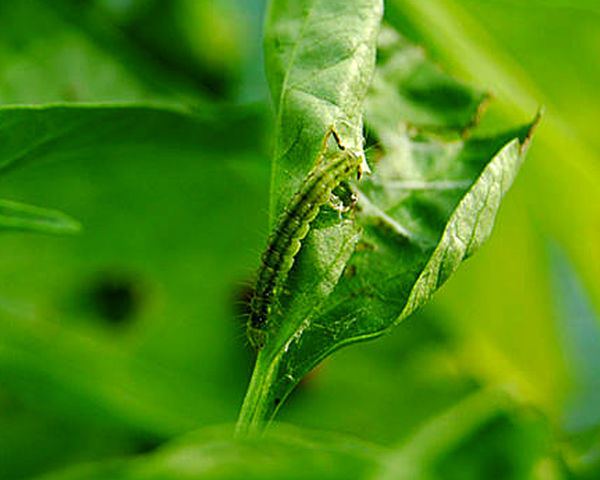
Stay vigilant for aphids and other pests. Utilise natural remedies or keep the door open to introduce beneficial insects to manage these critters. Remember pests can also spread bacteria and viruses. |
4 |
Supportive Structures |
|---|---|
For taller chilli varieties, employ stakes or cages to prevent them from toppling under the weight of their fruit. |
Chilli varieties respond differently to the UK's temperamental climate. Here's a brief breakdown:
Capsicum annuum: These chillies are the reliable friends in your garden. They thrive in the UK's milder climate and are generally more adaptable to erratic weather. Varieties like 'Jalapeno,' 'Hungarian Hot Wax,' and 'Poblano' are well-suited to our ever-changing British summers. They don't require scorching heat to flourish and often mature relatively quickly.
Capsicum chinense: If you're after some serious heat, these chillies have got your back. However, they can be a bit finicky in the UK's climate. 'Habanero' and 'Scotch Bonnet,' both part of this category, prefer warmer temperatures to thrive. They may grow slowly in cooler, wet conditions, especially if they're not sheltered in a greenhouse.
Capsicum frutescens: These chillies are sun worshippers, and they don't shy away from stating it. Varieties like 'Tabasco' thrive in sunny and sheltered spots. They might not be the top choice for our unpredictable British summers, but with proper care, they can still produce a fiery show.
Next Time Around: My Tomato Bonanza…
Growing tips from World of Chillies

Chilli Problems

Chilli Blogs
Chilli Nutrients

Potting On Chillies
Chilli Pests

Chilli Diseases
World of Chillies was set up by Sarah Hunt in 2011 to promote chilli growing and the enjoyment of everything hot and spicy.
Chilli Plants
Tomatoes
Chilli Seeds
Delivery Info
About Us
Contact Us
Sign Up Chilli Club
Privacy
Terms & Conditions