Top Tips for Growing Success with Chillies & Tomatoes
Top Tips for Growing Success
Now that the summer is truly here and plants are growing at full speed, don't forget to keep a close eye on your babies.
1 |
Watch out for Deficiencies |
|---|---|
With everything growing full steam, it's easy to let deficiencies creep in. Here are a few of the top chilli deficiencies to keep a an eye out for. More information can be found on the World of Chillies deficiencies section. Here are a few of the most common ones;
|
2 |
Tomato Sideshoots |
|---|---|
When it comes to growing tomatoes, plucking out the side shoots is critical. Those little buggers pop up between the leaves, but getting rid of them is super important. When you pull those side shoots, you're telling the plant to focus all its energy on making big, juicy tomatoes instead of wasting it on extra vegetative growth. In addition, taking out those extra shoots helps air circulate better, keeps diseases at bay, and lets the sun shine on every tomato. So, keep an eye out for those sneaky side shoots and give 'em a good ol’ pluck! |
3 |
Makrut Lime Revival |
|---|---|
I was devastated when I saw my makrut (kaffir) lime plant looking completely dead this winter. The leaves has vanished, and many of the branches felt brittle. It was disheartening, to say the least. However, amidst the gloom, I noticed a glimmer of hope—a patch of green reaching halfway up the stem. Encouraged by this tiny sign of life, I didn't give up. I only spangly watered it and patiently waited for warm weather. And you know what? Against all odds, my lime plant came back to life! New shoots sprouted, leaves unfurled, and its green color returned. Here are a few of tips for bringing that market back to life;
|
4 |
Pinching out Chilli Flowers on Small Plants |
|---|---|
Pinching out the flowers in very young chilli plants is definitely a god idea for their overall growth and productivity. When small, they they have yet to develop a robust root system and strong branches to support the weight of fruiting. By removing the flowers at this stage, you redirect the plant's energy towards establishing a sturdy framework and healthy foliage. This encourages the plant to develop a stronger root system and more vigorous growth, leading to better fruit production in the long run. Pinching out the flowers in the early stages allows the plant to focus on building its foundation for a more productive and fruitful harvest later on. |
5 |
Pinch out Basil Tips to Prevent Flowering |
|---|---|
If you want a bigger, bushier basil plant (whether it's a Siam Queen or a Holy basil) that keeps producing leaves instead of going to seed, always pinch out the tips and flowers. When you pinch off those little ends, it tells the plant to put its energy into growing more leaves and branches instead of investing it on flowers and seeds. This helps the plant get all nice and bushy, with lots of foliage to harvest for your Thai dishes (it’s always a good idea to use quite a lot). Plus, it keeps the leaves tasting great because once basil starts flowering, the leaves can turn bitter. So, by giving your basil a little trim, you'll have a lush, flavourful plant that keeps on giving! |
6 |
Staking Indeterminate Toms |
|---|---|
Packaging: Leave the plants in the packaging upright for 24 hours before potting them on in a warm sunny location. This will help them to acclimatize to their new environment and reduce the stress of being transported. |
Growing tips from World of Chillies
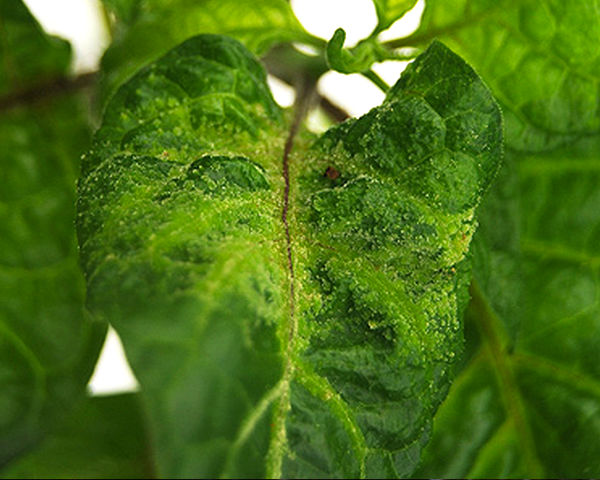
Chilli Problems

Chilli Blogs

Chilli Nutrients
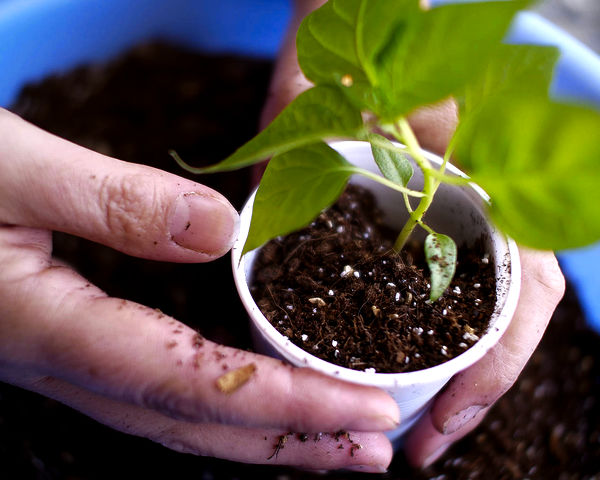
Potting On Chillies
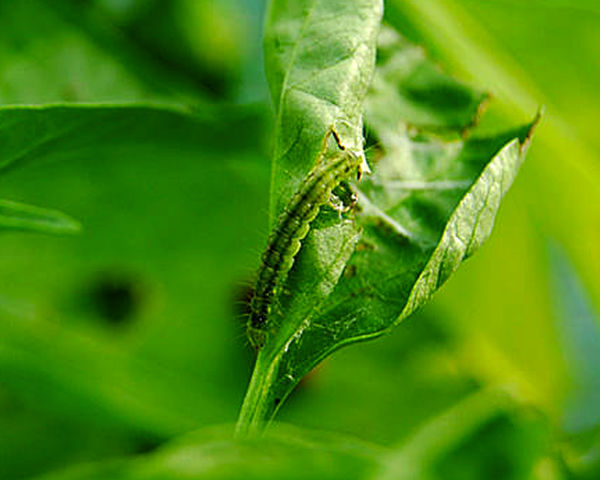
Chilli Pests
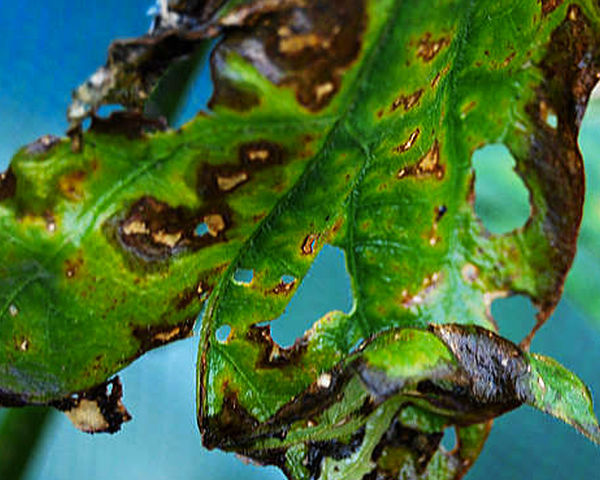
Chilli Diseases
World of Chillies was set up by Sarah Hunt in 2011 to promote chilli growing and the enjoyment of everything hot and spicy.
Chilli Plants
Tomatoes
Chilli Seeds
Delivery Info
About Us
Contact Us
Sign Up Chilli Club
Privacy
Terms & Conditions