Fatalii
lemon lightning

Fatalii Chilli Plug Plant

Fatalii Chilli Plug Plant

Bright yellow, the ferocious African:Heat Level: ★ ★ ★ ★ ☆
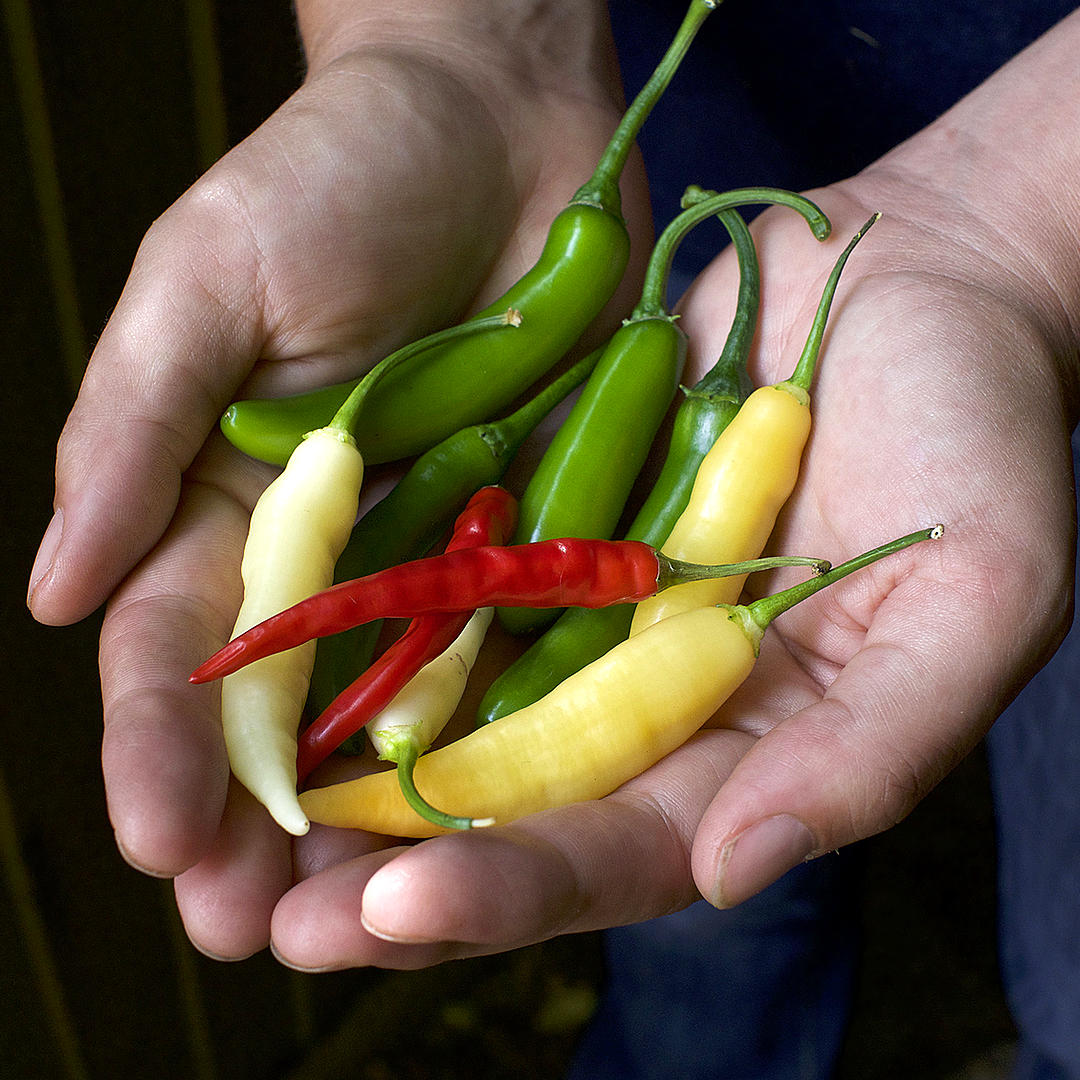
The Fatalii is one of the most striking chillies I grow—lean, wrinkled yellow pods that practically glow on the plant. It’s a close relative of the Habanero, but with its own fierce, citrusy identity. Originally from Central Africa, the Fatalii likely descended from chillies introduced by Portuguese traders in the 16th century. Over time, it’s been shaped by the heat and soil of the region into something uniquely local: bold, bright, and fast-burning.

It’s now closely associated with countries like Cameroon and the Central African Republic, where chillies are often dried and ground to season hearty stews or rubbed onto grilled meat. While it doesn’t have a festival or civic claim to fame like some varieties, it’s a chilli with deep roots and real character.

The pods are long and twisted, ripening from green to an intense golden yellow that almost hums with heat. Up to 350,000 Scoville Heat Units (SHU), and it comes on fast—more of a flash fire than a slow burn. But it’s not all aggression: the flavour is incredibly clean and citrusy, with notes of lemon zest and tropical fruit. It’s easily one of the best for hot sauces where you want clarity, not murk.

The plant is upright, elegant, and rewarding—if you can give it enough warmth. It’s not a fussy grower, just one that likes a bit of attention and a reliable source of heat. Under glass or lights, it fruits earlier than many of the true superhots, and once it starts, it keeps going.

If you’re looking for a chilli with fire, finesse, and a heritage rooted in African soil, the Fatalii is a standout. It’s not the loudest, but it might just be the sharpest.

Additional Information

Species: Capsicum chinense

Heat Level: Extremely hot, up to 350,000 Scoville Heat Units (SHU)

Fruit Appearance: Long, wrinkled, wedge-shaped pods that ripen from green to a vivid golden yellow

Flavour Profile: Sharp, citrusy heat with notes of lemon zest and tropical fruit

Fruiting Time: Typically fruits earlier than most superhots when grown in warm, stable conditions

Growing Conditions: Prefers consistently warm environments such as greenhouses or heated conservatories. Upright, elegant growth with good yields when well cared for

Origin: Central Africa, likely descended from early Portuguese trade introductions and now naturalised in countries such as Cameroon and the Central African Republic

How to Grow Chillies: My free 28-page booklet, "How to Grow Chillies," is included with every plant or seed order to guide you through a successful growing season

Coir Blocks

Classic Hots

Record-breakers
Cooks' Collection


World of Chillies was set up by Sarah Hunt in 2011 to promote chilli growing and the enjoyment of everything hot and spicy.

UK Company No. 07860204.
VAT reg. 223126942

1. Easy to Grow: Some chillies are just a joy to grow — compact, reliable, and happy in a pot (5). Others shoot off in all directions or sulk at the first sign of wind (1). I’ve given higher scores to the ones that do well here in the UK.

2. Ornamental Quality: A few of these are real show-offs, with pods that look like jewels or dramatic foliage that turns heads. Others are more practical than pretty. This score is just about how good they look on the patio or in the greenhouse.

3. Heat Level: This isn’t a technical SHU score — it’s just a kitchen-friendly 1 to 5. A 1 means very mild (like a jalapeño), a 5 is properly hot (think Bhut Jolokia). It should help you judge what you’re in for!

4. Hardiness: How well do they cope with our unpredictable summers? I’ve given higher scores to the tough ones that keep going through cool nights, wind, or patchy weather without much fuss.

5. Culinary Use: This one’s about how often I actually use them. Some are perfect for pickling, stuffing or powders — others look good but don’t end up in many meals. If it’s flavourful and versatile, it scores high.

Hover or touch to pause carousel