Korean Gochu
korean classic

Korean Gochu Chilli Plug Plant

Korean Gochu Chilli Plug Plant

The Chilli Behind Gochugaru.Heat Level: ★ ★ ☆ ☆ ☆

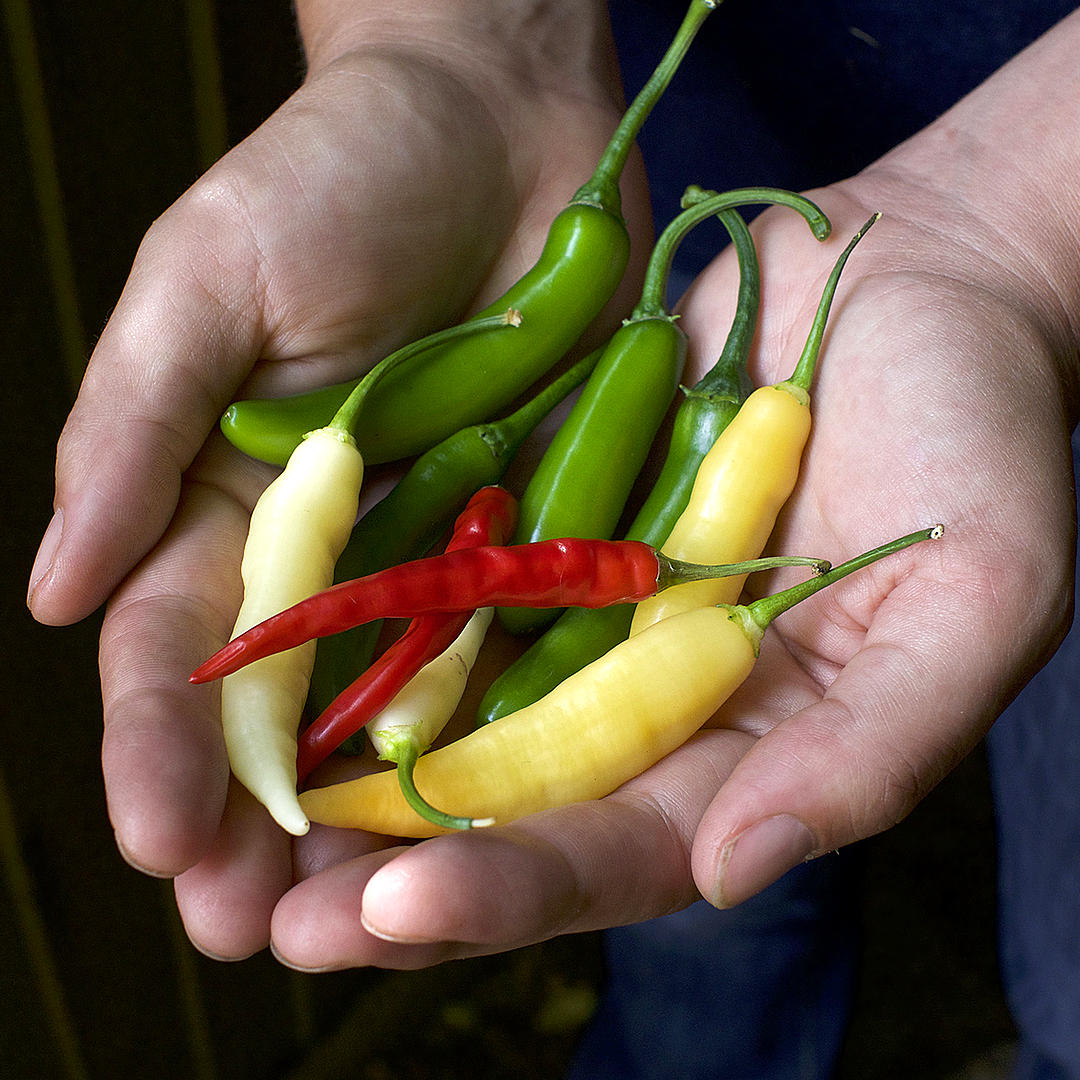
Korean Gochu is a traditional Capsicum annuum grown extensively in Korea, where chillies are an essential ingredient in everyday cooking. The long, slender pods ripen from green to a rich, glossy red and are particularly valued for making gochugaru, the distinctive red chilli flakes used in kimchi, Korean stews and the fermented chilli paste known as gochujang.

Unlike the sharper heat of a Cayenne, Gochu has a gentler, more rounded pungency with a natural sweetness that becomes particularly noticeable when the ripe pods are dried.

I was quite excited about growing Gochu this season, having never grown a Korean chilli before. You can sometimes tell when a variety is going to be an easy grow, and Gochu gave me that impression almost immediately. The seedlings came shooting out of the compost and grew strongly from the outset.

I grew one plant in the greenhouse and another outside on a sunny patio, and both performed extremely well. Admittedly, I'm on the South Coast and we had an exceptionally hot summer, but the outdoor plant seemed just as happy as the one under cover, although the greenhouse specimen grew considerably larger.

One of the things I particularly liked was the way the pods developed. They initially grow pointing skywards, but as they lengthen and become heavier, they gradually turn downwards.

The fruits emerge at all sorts of angles, creating a rather wonderful jumble of long green and red chillies across the plant. It almost looks as though someone has deliberately arranged them. The plants are vigorous and productive, with a pleasingly open habit that makes the developing pods particularly noticeable.

I'm looking forward to trying some traditional Korean methods of preserving the harvest. Gochu can be pickled while green, or allowed to ripen fully before drying and crushing into gochugaru. The flakes are an essential ingredient in kimchi, contributing colour, sweetness and a gentle, warming heat without overpowering the fermented vegetables.

I've never made chilli kimchi before, so that's high on my list, along with some Korean-style pickled chillies. There's something rather satisfying about growing a variety that has such a well-established place in a particular food culture.

Additional Information

▶ Species: Capsicum annuum

▶ Heat Level: Generally mild to medium, although Korean Gochu encompasses several varieties with differing levels of pungency. Common cooking types are often estimated at around 1,000–10,000 Scoville Heat Units (SHU), while some specialist Korean varieties are considerably hotter. The heat is usually rounded and warming rather than sharply aggressive.

▶ Fruit Appearance: Long, smooth, slender pods that develop green before ripening to a glossy, deep red. The fruits initially point upwards before their increasing weight causes them to hang downwards. Produced abundantly at different angles across the branches.

▶ Flavour Profile: Fresh and slightly grassy when green, developing a sweeter, fruitier character as the pods ripen. Drying concentrates the flavour and produces the characteristic warmth and gentle sweetness associated with Korean chilli flakes.

▶ Vigorous Growth: Fast-growing, upright and highly productive plants. My specimens established particularly quickly and cropped well both in the greenhouse and outdoors. The greenhouse plant grew larger, although both produced an impressive number of pods.

▶ Uses: Traditionally used for making gochugaru, the dried red chilli flakes essential to kimchi, Korean stews and gochujang. Green pods can be eaten fresh or pickled, while ripe chillies are excellent for drying, stir-fries, marinades and chilli pastes.

▶ Growing Conditions: Prefers full sun, warmth and fertile, free-draining compost. Grows well in a greenhouse or on a sunny, sheltered patio in favourable UK summers. Water consistently and feed regularly during flowering and fruiting. Allow pods to ripen fully red if growing them for drying and making gochugaru.

▶ How to Grow Chillies: My free 28-page booklet, "How to Grow Chillies," is included with every plant or seed order to help you achieve a successful harvest.

Coir Blocks

Classic Hots

Record-breakers
Cooks' Collection


World of Chillies was set up by Sarah Hunt in 2011 to promote chilli growing and the enjoyment of everything hot and spicy.

UK Company No. 07860204.
VAT reg. 223126942

▶ 1. Easy to Grow: Some chillies are just a joy to grow — compact, reliable, and happy in a pot (5). Others shoot off in all directions or sulk at the first sign of wind (1). I’ve given higher scores to the ones that do well here in the UK.

▶ 2. Ornamental Quality: A few of these are real show-offs, with pods that look like jewels or dramatic foliage that turns heads. Others are more practical than pretty. This score is just about how good they look on the patio or in the greenhouse.

▶ 3. Heat Level: This isn’t a technical SHU score — it’s just a kitchen-friendly 1 to 5. A 1 means very mild (like a jalapeño), a 5 is properly hot (think Bhut Jolokia). It should help you judge what you’re in for!

▶ 4. Hardiness: How well do they cope with our unpredictable summers? I’ve given higher scores to the tough ones that keep going through cool nights, wind, or patchy weather without much fuss.

▶ 5. Culinary Use: This one’s about how often I actually use them. Some are perfect for pickling, stuffing or powders — others look good but don’t end up in many meals. If it’s flavourful and versatile, it scores high.

Hover or touch to pause carousel