Orange Habanero
orange - hot - perfect

Orange Habanero Chilli Plug Plant

Orange Habanero Chilli Plug Plant

Zesty orange, fiery punch:Heat Level: ★ ★ ★ ☆ ☆
The Orange Habanero is a classic for good reason—intensely hot, yes, but with a refined, fruity complexity that lifts it well above the level of blunt force. With a Scoville rating of up to 350,000 SHU, it offers serious fire, but it’s the flavour that keeps me coming back: bright, tropical, and just slightly smoky, with that unmistakable habanero perfume.

I think this might be my all-round favourite chilli. It’s just so versatile. I use it in sauces, salsas, jellies, and curries—anywhere I want real heat but also something with depth and character. It never feels overpowering or crude. Unlike the brutal superhots, this one walks a fine line between heat and elegance. It’s fiery, yes—but never grim.

The name “Habanero” comes from Havana, but this chilli is really a hero of the Yucatán Peninsula, where it’s at the heart of local cuisine. In markets there, you’ll see them piled up like citrus fruit—fresh, fragrant, and central to dozens of traditional recipes, from cochinita pibil to salsas de habanero that are served with everything.

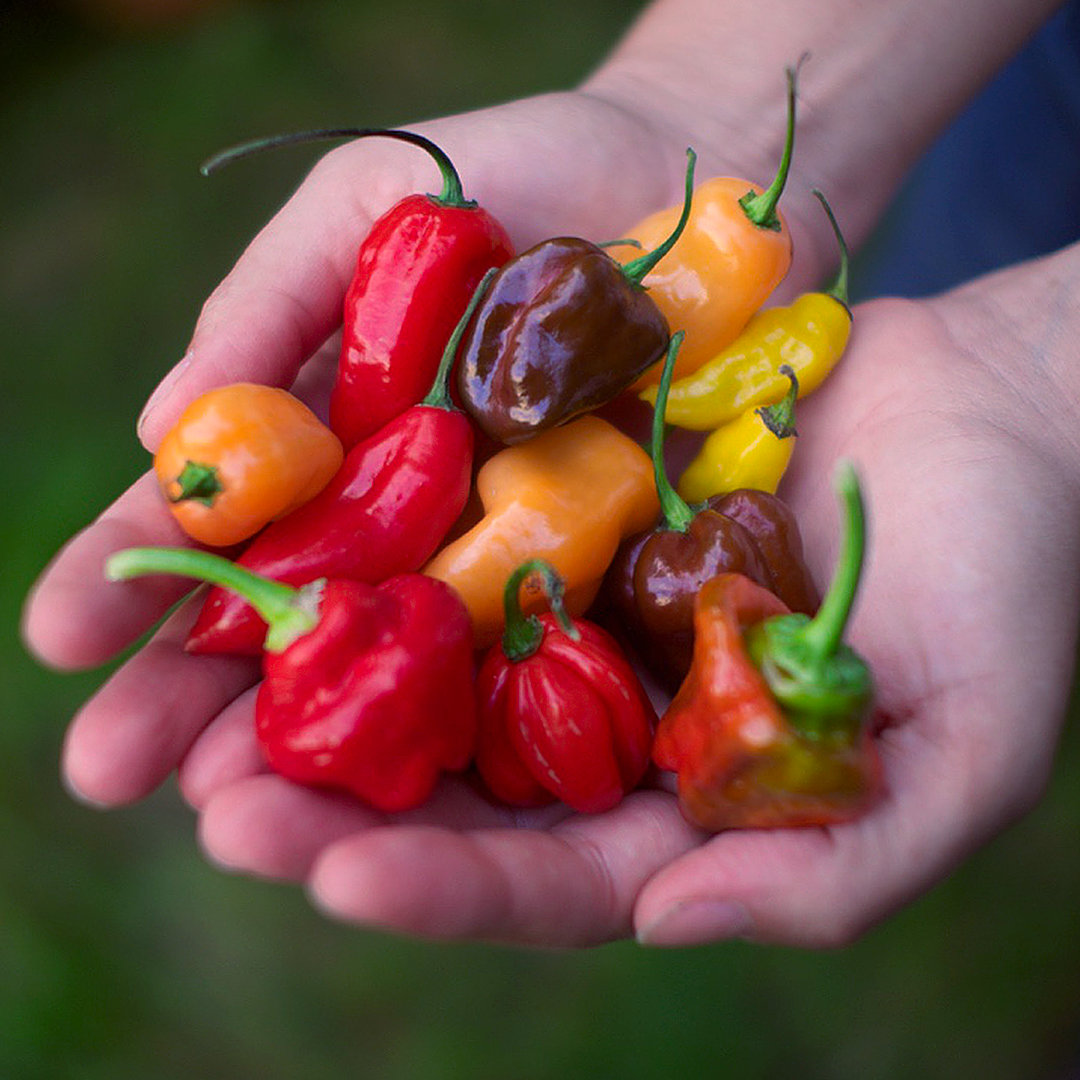
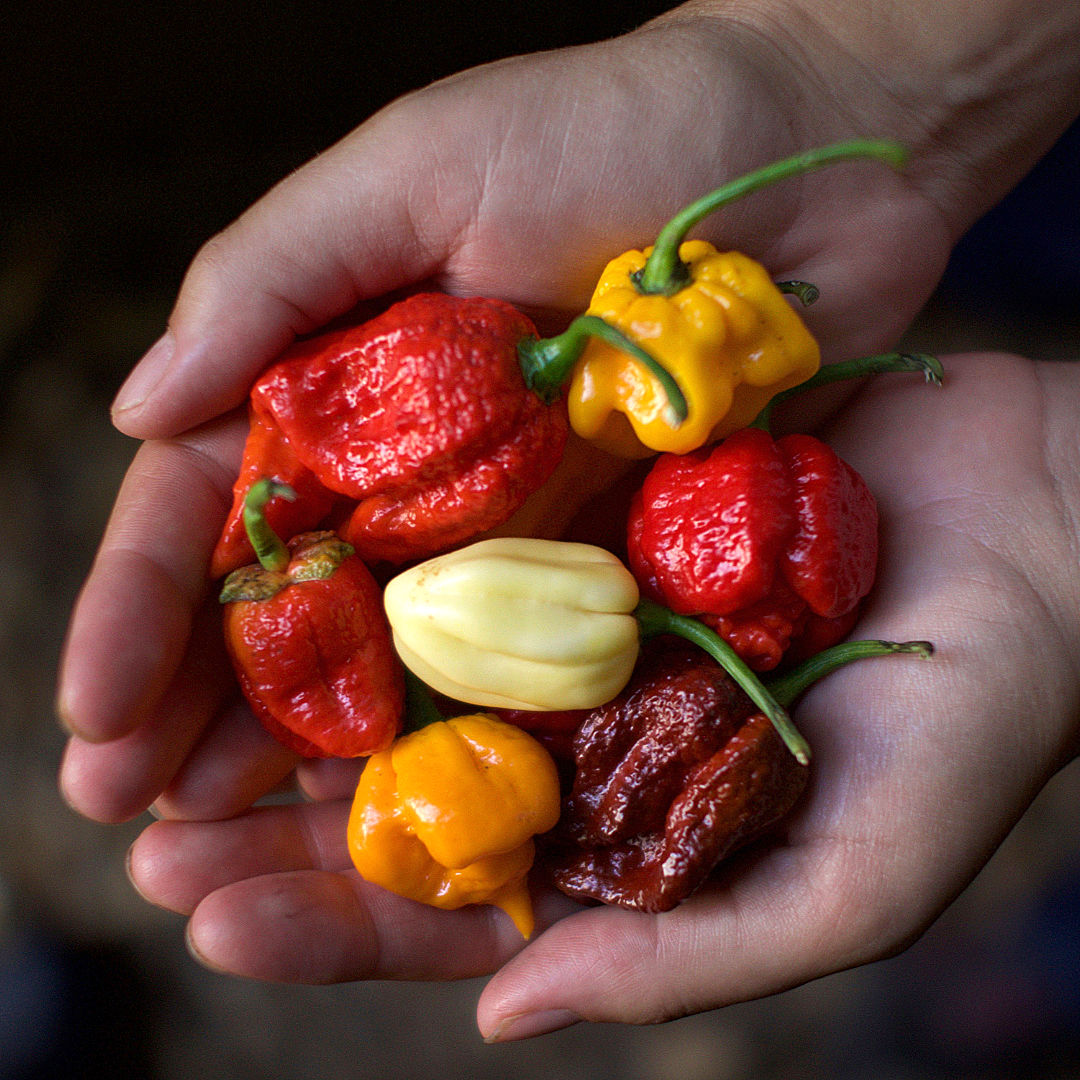
The fruits are small and lantern-shaped, with that familiar wrinkled skin. They ripen from deep green to a brilliant, almost lacquered orange. Each pod averages between 3.5 and 6 cm long, and they absolutely glow when fully ripe—hard to miss in a garden.

As a plant, it’s a reliable grower—even here in the UK. It has a tidy, upright habit and fruits generously with a bit of warmth and care. In a good year, just one plant might give you enough chillies for all your cooking—unless you’re making batches of jam or jelly, in which case you’ll want two or three.

If you’re after a chilli that brings both serious heat and real flavour, the Orange Habanero is a joy to grow and cook with. Bold, tropical, beautiful—and far more versatile than its reputation might suggest.

Additional Information

Species: Capsicum chinense

Heat Level: Very hot, up to 350,000 Scoville Heat Units (SHU)

Fruit Appearance: Small, lantern-shaped and slightly wrinkled pods that ripen from deep green to a bright, glossy orange

Flavour Profile: Sharp, fruity, and aromatic with a clean, tropical heat

Fruiting Time: Early to mid-season. One of the faster fruiting chinense types when grown with warmth and good light

Growing Conditions: Thrives in warm, sunny environments such as greenhouses, conservatories, or sheltered outdoor spaces in high summer

Growth Habit: Upright and compact with a steady yield. A well-grown plant can supply enough fruit for general kitchen use throughout the year

Origin: Widely used in the Yucatán Peninsula and named after Havana, where the pepper was once widely traded

How to Grow Chillies: My free 28-page booklet, "How to Grow Chillies," is included with every plant or seed order to guide you through a successful growing season

Coir Blocks

Classic Hots

Record-breakers
Cooks' Collection


World of Chillies was set up by Sarah Hunt in 2011 to promote chilli growing and the enjoyment of everything hot and spicy.

UK Company No. 07860204.
VAT reg. 223126942

1. Easy to Grow: Some chillies are just a joy to grow — compact, reliable, and happy in a pot (5). Others shoot off in all directions or sulk at the first sign of wind (1). I’ve given higher scores to the ones that do well here in the UK.

2. Ornamental Quality: A few of these are real show-offs, with pods that look like jewels or dramatic foliage that turns heads. Others are more practical than pretty. This score is just about how good they look on the patio or in the greenhouse.

3. Heat Level: This isn’t a technical SHU score — it’s just a kitchen-friendly 1 to 5. A 1 means very mild (like a jalapeño), a 5 is properly hot (think Bhut Jolokia). It should help you judge what you’re in for!

4. Hardiness: How well do they cope with our unpredictable summers? I’ve given higher scores to the tough ones that keep going through cool nights, wind, or patchy weather without much fuss.

5. Culinary Use: This one’s about how often I actually use them. Some are perfect for pickling, stuffing or powders — others look good but don’t end up in many meals. If it’s flavourful and versatile, it scores high.

Hover or touch to pause carousel