Pimenta Caixo
Jewel-Bright Flavour

Pimenta Caixo Chilli Plug Plant

Pimenta Caixo Chilli Plug Plant

Soft Flesh, Aromatic Heat:Heat Level: ★ ★ ☆ ☆ ☆

Pimento Caixo is a traditional chilli from Brazil, grown less for heat than for aroma and everyday usefulness. It sits firmly at the mild end of the spectrum and is valued for fragrance, softness and the way it integrates into food rather than standing apart from it.

Heat is low — usually mild to very mild — and that’s intentional. In Brazilian cooking, chillies like this are used to build flavour rather than deliver punch. The pods are often cooked whole or roughly chopped, allowing their aroma to infuse oil, beans or stews without dominating the dish.

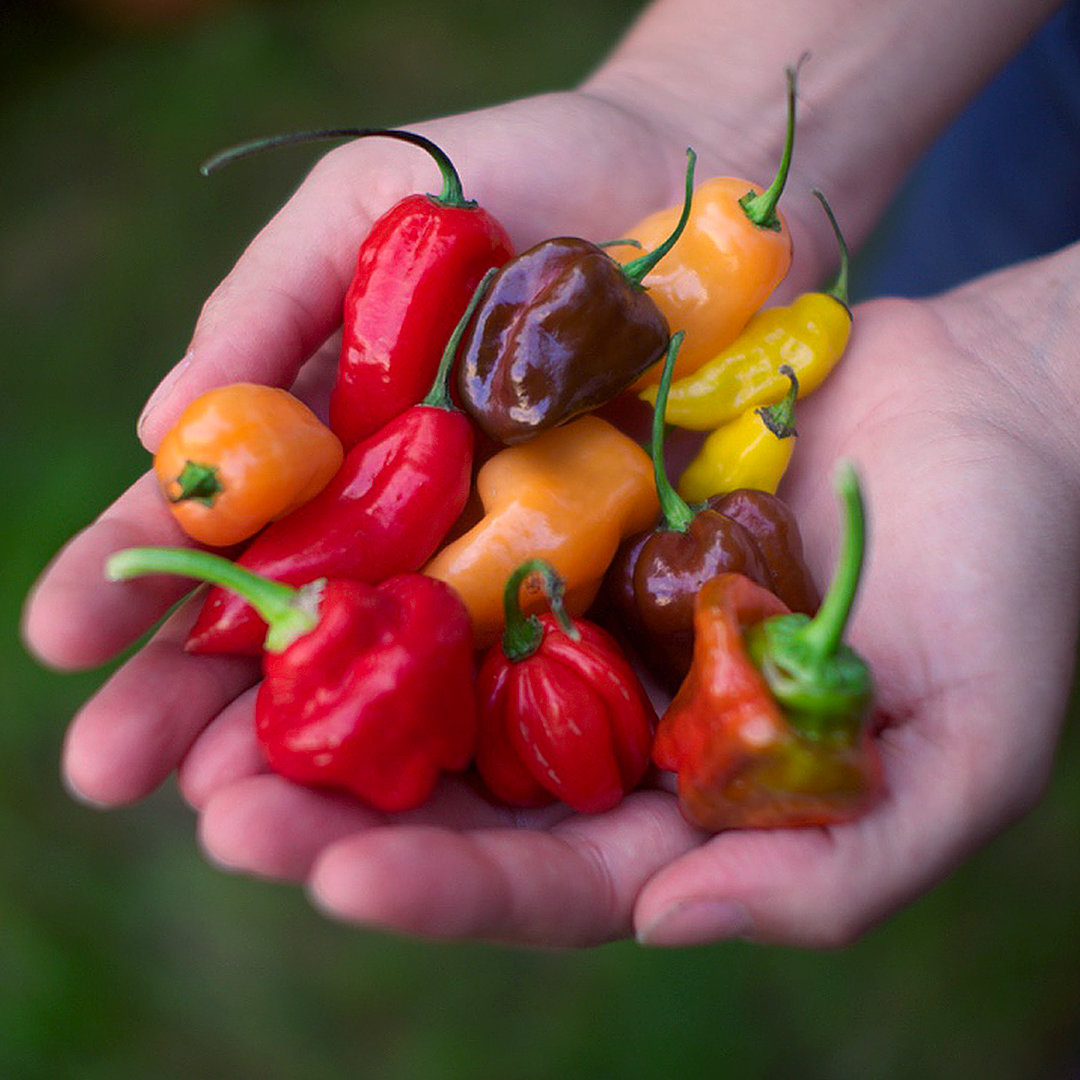
The pods are small to medium, rounded to slightly elongated, with thin walls and a smooth surface. As they ripen from green to red they develop an unusually attractive, polished look, and the plants carry fruit openly and generously. It’s an exceptionally ornamental chilli — not by breeding trickery, but simply because the plant and pods have a naturally balanced, decorative form.

That thin flesh is a key biological trait. It releases aroma quickly and softens easily, which suits long-simmered dishes where heat would otherwise become intrusive.

In Brazil, chillies of this type are commonly used alongside garlic and onions as a flavour base, particularly in bean dishes and slow-cooked foods. They’re not used as table chillies and not preserved for crunch; their role is closer to that of a seasoning vegetable.

The plants are compact and productive, well suited to pots or beds, and reliable in warm conditions. They set fruit steadily rather than heavily, which matches their intended use — frequent small harvests for fresh cooking.

Pimento Caixo is not a pickling chilli and not a sauce chilli. Its value lies in aroma, softness and subtle heat — with the added benefit of being one of the most visually appealing mild chillies you can grow.

Additional Information

Species: Capsicum annuum

Heat Level: Mild – typically around 500 to 1,500 Scoville Heat Units (SHU). Grown for aroma rather than heat.

Origin: Brazil. A traditional aromatic chilli used in everyday cooking.

Ethnographic Context: Used as part of a flavour base with onions and garlic, especially in bean dishes and slow-cooked foods.

Fruit Appearance: Small to medium pods, rounded to slightly elongated, ripening from green to red. Thin-walled and smooth-skinned.

Biological Trait: Thin flesh releases aroma quickly and softens during cooking, allowing flavour to disperse evenly.

Plant Habit: Compact, tidy plants with steady fruiting. Suitable for pots or beds.

Primary Use: Fresh cooking only. Not intended for pickling, drying or sauce-making.

Growing Conditions: Prefers warmth and sun. Regular picking encourages continued fruiting.

How to Grow Chillies: My free 28-page booklet, "How to Grow Chillies," is included with every plant or seed order to help you achieve a successful harvest.

Coir Blocks

Classic Hots

Record-breakers
Cooks' Collection


World of Chillies was set up by Sarah Hunt in 2011 to promote chilli growing and the enjoyment of everything hot and spicy.

UK Company No. 07860204.
VAT reg. 223126942

1. Easy to Grow: Some chillies are just a joy to grow — compact, reliable, and happy in a pot (5). Others shoot off in all directions or sulk at the first sign of wind (1). I’ve given higher scores to the ones that do well here in the UK.

2. Ornamental Quality: A few of these are real show-offs, with pods that look like jewels or dramatic foliage that turns heads. Others are more practical than pretty. This score is just about how good they look on the patio or in the greenhouse.

3. Heat Level: This isn’t a technical SHU score — it’s just a kitchen-friendly 1 to 5. A 1 means very mild (like a jalapeño), a 5 is properly hot (think Bhut Jolokia). It should help you judge what you’re in for!

4. Hardiness: How well do they cope with our unpredictable summers? I’ve given higher scores to the tough ones that keep going through cool nights, wind, or patchy weather without much fuss.

5. Culinary Use: This one’s about how often I actually use them. Some are perfect for pickling, stuffing or powders — others look good but don’t end up in many meals. If it’s flavourful and versatile, it scores high.

Hover or touch to pause carousel