Raging Bull
The Aromatic Pickler

Raging Bull Chilli Plug Plant

Raging Bull Chilli Plug Plant

Thick Walls, Pickling Treat:Heat Level: ★ ☆ ☆ ☆ ☆
Raging Bull is a modern hybrid chilli bred from a cross between Biquinho and Habanero, combining the thick-walled, low-aggression fruit of the former with the heat and durability of the latter. That parentage explains almost everything about how it behaves — both on the plant and in the jar.

Heat typically falls in the 15,000–30,000 Scoville range. That puts it well above traditional mild pickling chillies, but far below chinense superhots. Crucially, the heat survives vinegar. This is where the Habanero parent matters: capsaicin levels are high enough to remain present after pickling, while the Biquinho influence keeps the burn rounded rather than sharp.

The pods are long, smooth and notably thick-walled. That thickness is inherited directly from the Biquinho side and is the key biological trait that makes Raging Bull work as a pickling chilli. Thin-walled chillies soften or collapse in brine; Raging Bull stays firm, keeping crunch and structure even after months in vinegar.

This type of chilli fits squarely into Central and Eastern European pickling traditions, where chillies are preserved whole or sliced and served as table accompaniments rather than cooked ingredients. In those food cultures, texture matters as much as heat. A chilli should bite back slightly, not dissolve.

Plants are compact, reliable and bred for shorter seasons, setting fruit steadily rather than explosively. That suits repeated harvesting for pickling batches rather than one-off bulk processing.

Raging Bull is not a sauce chilli and not a powder chilli. It exists for jars — where structure, heat retention and balance matter more than drama.

Additional Information

Species: Capsicum annuum × Capsicum chinense (hybrid)

Heat Level: Medium – approximately 15,000–30,000 Scoville Heat Units (SHU). Heat retained after pickling due to chinense parentage.

Parentage: Cross between Biquinho (thick walls, low aggression) and Habanero (heat stability and capsaicin persistence).

Ethnographic Context: Suited to European vinegar-pickling traditions where chillies are served as preserved table accompaniments rather than cooked ingredients.

Biological Trait: Thick pod walls prevent collapse in brine, maintaining crunch and shape during long-term pickling.

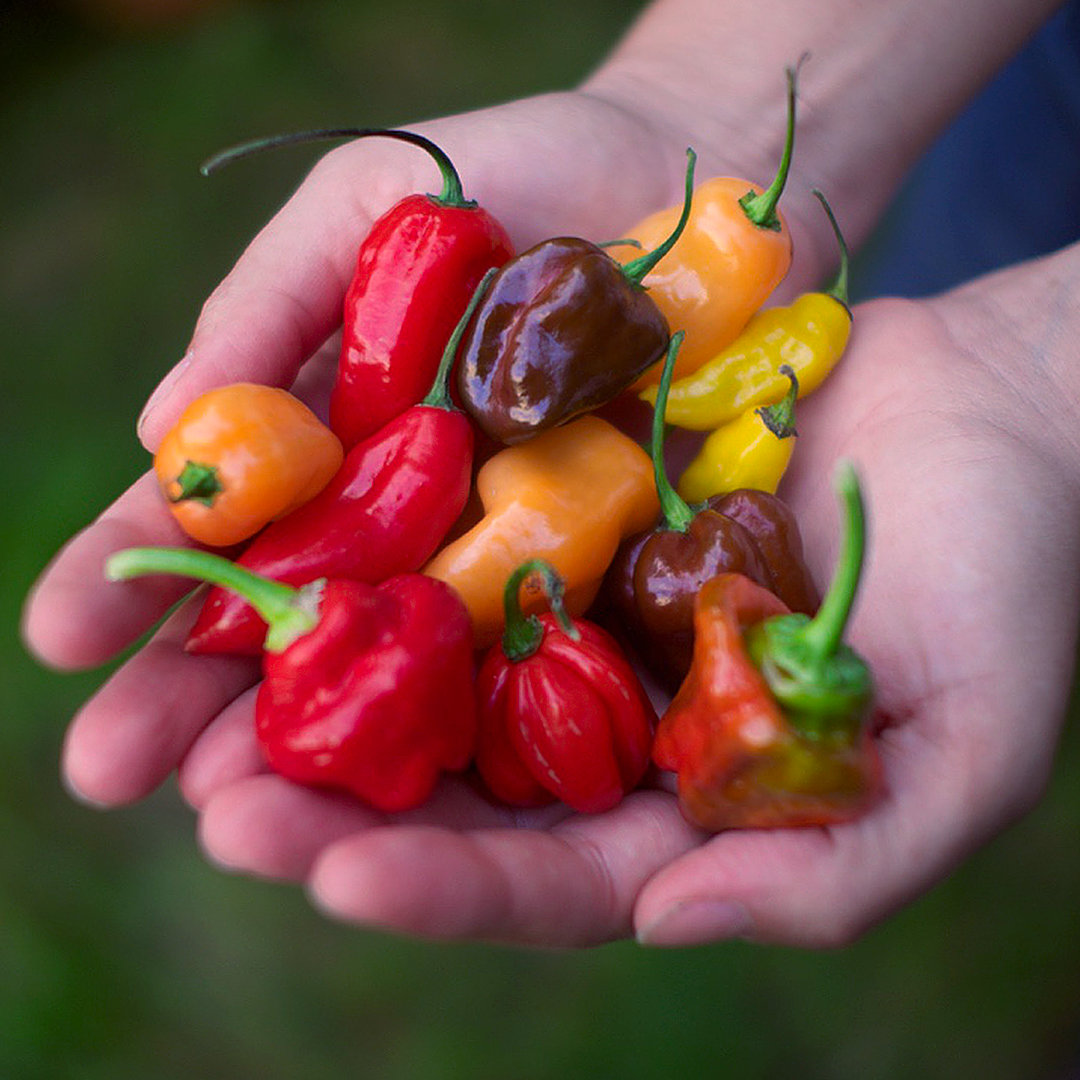
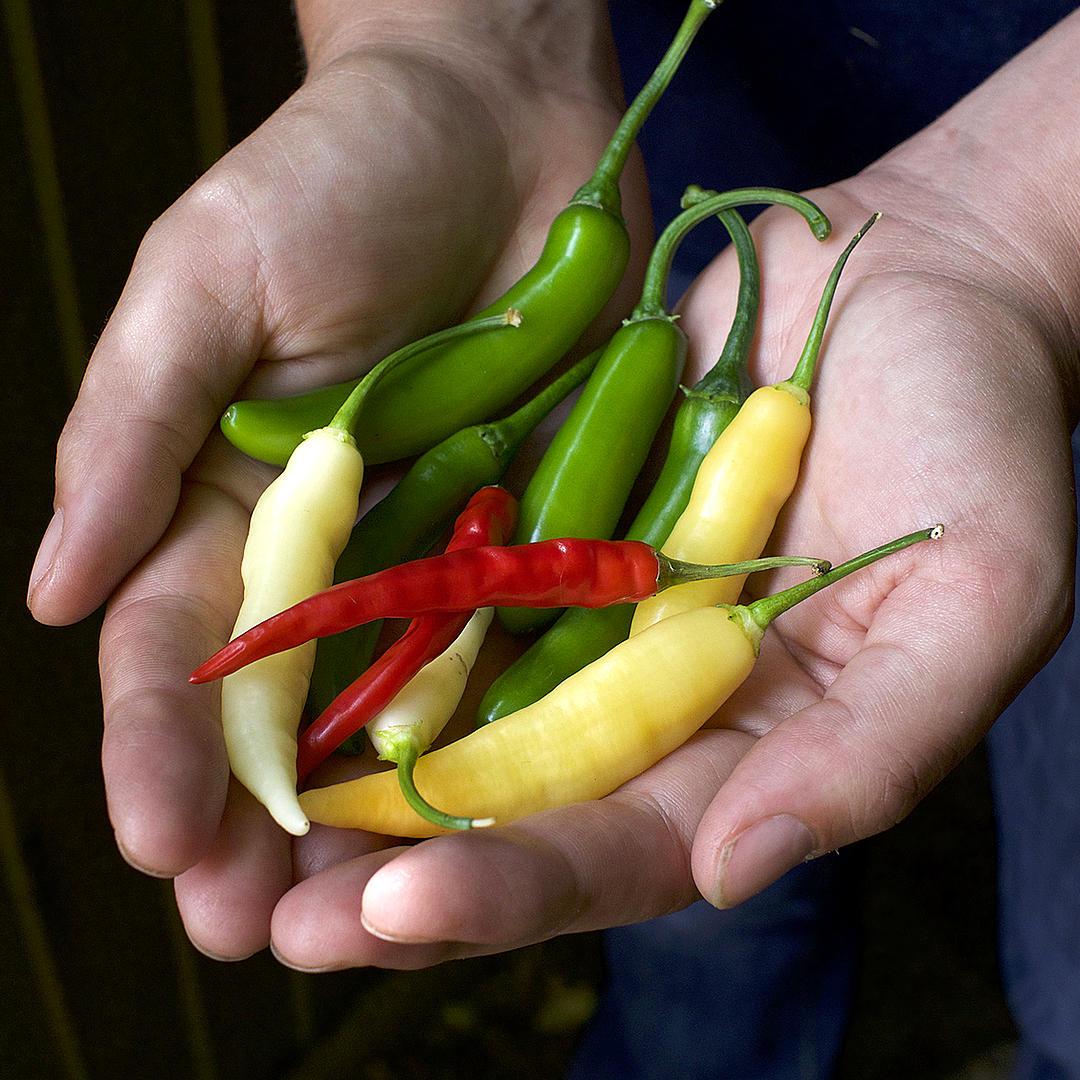
Fruit Appearance: Long, smooth, blunt-ended pods ripening from green to red. Uniform and firm.

Plant Habit: Compact, steady-growing plants bred for reliability in cooler or shorter seasons.

Primary Use: Pickling and fermentation. Not intended for sauces or powders.

How to Grow Chillies: My free 28-page booklet, "How to Grow Chillies," is included with every plant or seed order to help you achieve a successful harvest.

Coir Blocks

Classic Hots

Record-breakers
Cooks' Collection


World of Chillies was set up by Sarah Hunt in 2011 to promote chilli growing and the enjoyment of everything hot and spicy.

UK Company No. 07860204.
VAT reg. 223126942

1. Easy to Grow: Some chillies are just a joy to grow — compact, reliable, and happy in a pot (5). Others shoot off in all directions or sulk at the first sign of wind (1). I’ve given higher scores to the ones that do well here in the UK.

2. Ornamental Quality: A few of these are real show-offs, with pods that look like jewels or dramatic foliage that turns heads. Others are more practical than pretty. This score is just about how good they look on the patio or in the greenhouse.

3. Heat Level: This isn’t a technical SHU score — it’s just a kitchen-friendly 1 to 5. A 1 means very mild (like a jalapeño), a 5 is properly hot (think Bhut Jolokia). It should help you judge what you’re in for!

4. Hardiness: How well do they cope with our unpredictable summers? I’ve given higher scores to the tough ones that keep going through cool nights, wind, or patchy weather without much fuss.

5. Culinary Use: This one’s about how often I actually use them. Some are perfect for pickling, stuffing or powders — others look good but don’t end up in many meals. If it’s flavourful and versatile, it scores high.

Hover or touch to pause carousel