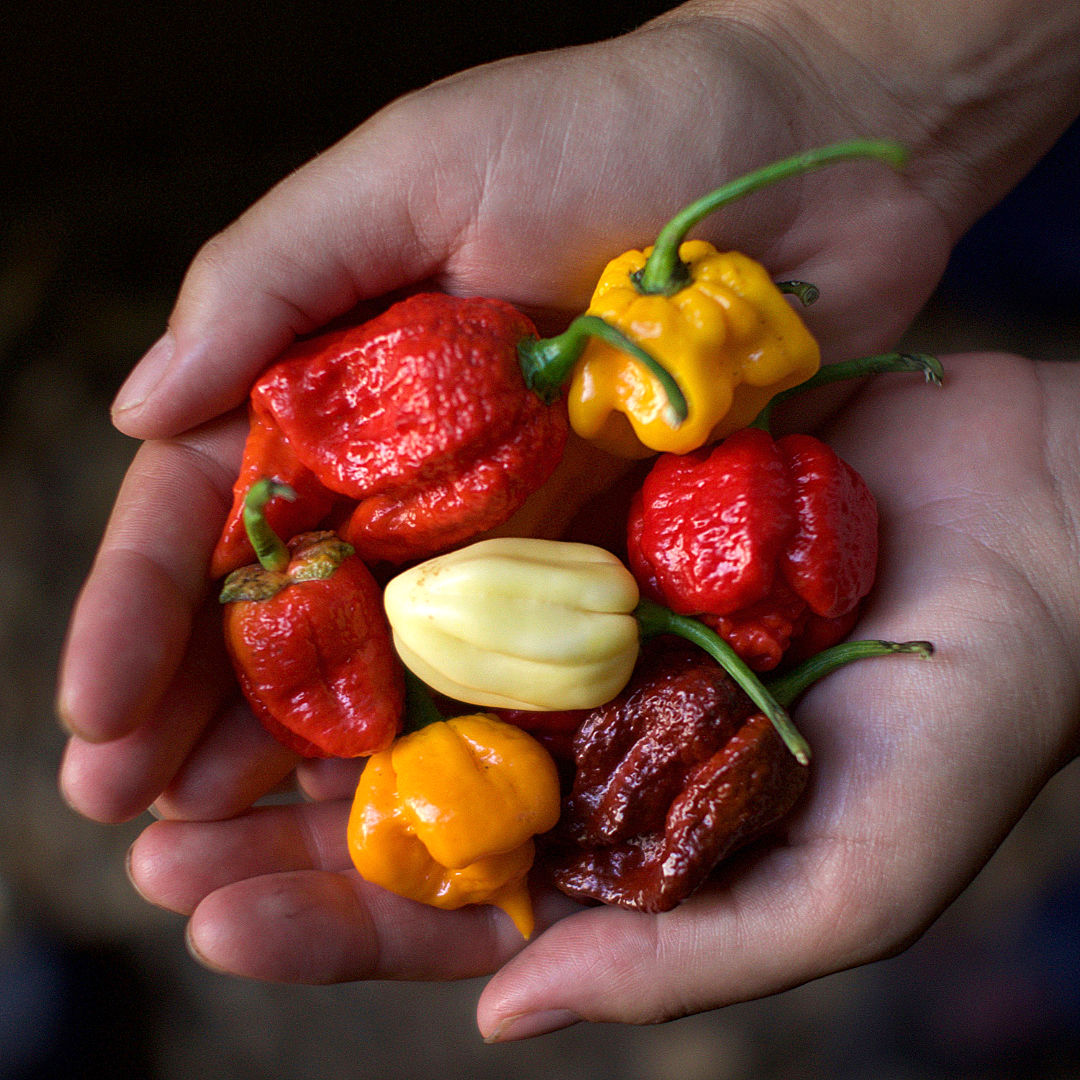
7 Pot Barrackpore
Compact, Devastating Heat

7 Pot Barrackpore Chilli Plug Plant

7 Pot Barrackpore Chilli Plug Plant

Generous Pods, Extreme Heat:Heat Level: ★ ★ ★ ★ ★
Seven Pot Barrackpore is a traditional Trinidadian superhot from the Barrackpore area in southern Trinidad. It’s part of the “seven pot” group — chillies named for the idea that a single pod can season a large pot of food — and it’s valued as much for depth of flavour as for raw heat.

I grew it for the first time last season and it behaved like a proper chinense: it wanted consistent warmth, steady feeding and good airflow, and once it settled in it produced dense, heavy pods with real presence.

The pods are squat and blocky with pronounced lobes, thick walls and a glossy finish. They ripen to a strong red and tend to look more “muscular” than wrinkled — more like a compact pepper with folds than a gnarly, brainy superhot.

Heat is extreme. Figures vary by grower and conditions, but it’s commonly placed in the high hundreds of thousands Scoville, often cited around 800,000 to 1,000,000+ SHU. The burn builds and lasts, so it’s a chilli for measured use rather than casual chopping.

Where Barrackpore earns its reputation is the flavour under the heat: a rich, savoury chinense base that holds up well when diluted across a pot or worked into a sauce. It’s a classic “use a little, get a lot” chilli, and that’s the whole point of the seven pot name.

Seven Pot Barrackpore also features in the Recordbreaker Superhot Collection.

Additional Information

Species: Capsicum chinense

Heat Level: Extreme – commonly reported in the high hundreds of thousands SHU, often cited around 800,000 to 1,000,000+ Scoville Heat Units (SHU). Heat is long-lasting and builds steadily.

Origin: Barrackpore, Trinidad (Caribbean). One of the traditional “seven pot” types.

Ethnographic Context: Named for the idea that one pod can season a large pot of food. Typically used in very small quantities to flavour dishes and sauces.

Fruit Appearance: Squat, blocky pods with pronounced lobes and thick walls. Glossy red when ripe (more muscular than heavily wrinkled).

Flavour Profile: Rich, savoury chinense flavour beneath extreme heat. Depth holds up well when diluted into sauces or larger dishes.

Uses: Best used sparingly in sauces and as a seasoning chilli for pots of food. Not a “slice and scatter” type.

Growing Conditions: Prefers stable warmth and good airflow under cover. Consistent feeding and regular watering improve pod set and size.

How to Grow Chillies: My free 28-page booklet, "How to Grow Chillies," is included with every plant or seed order to help you achieve a successful harvest.

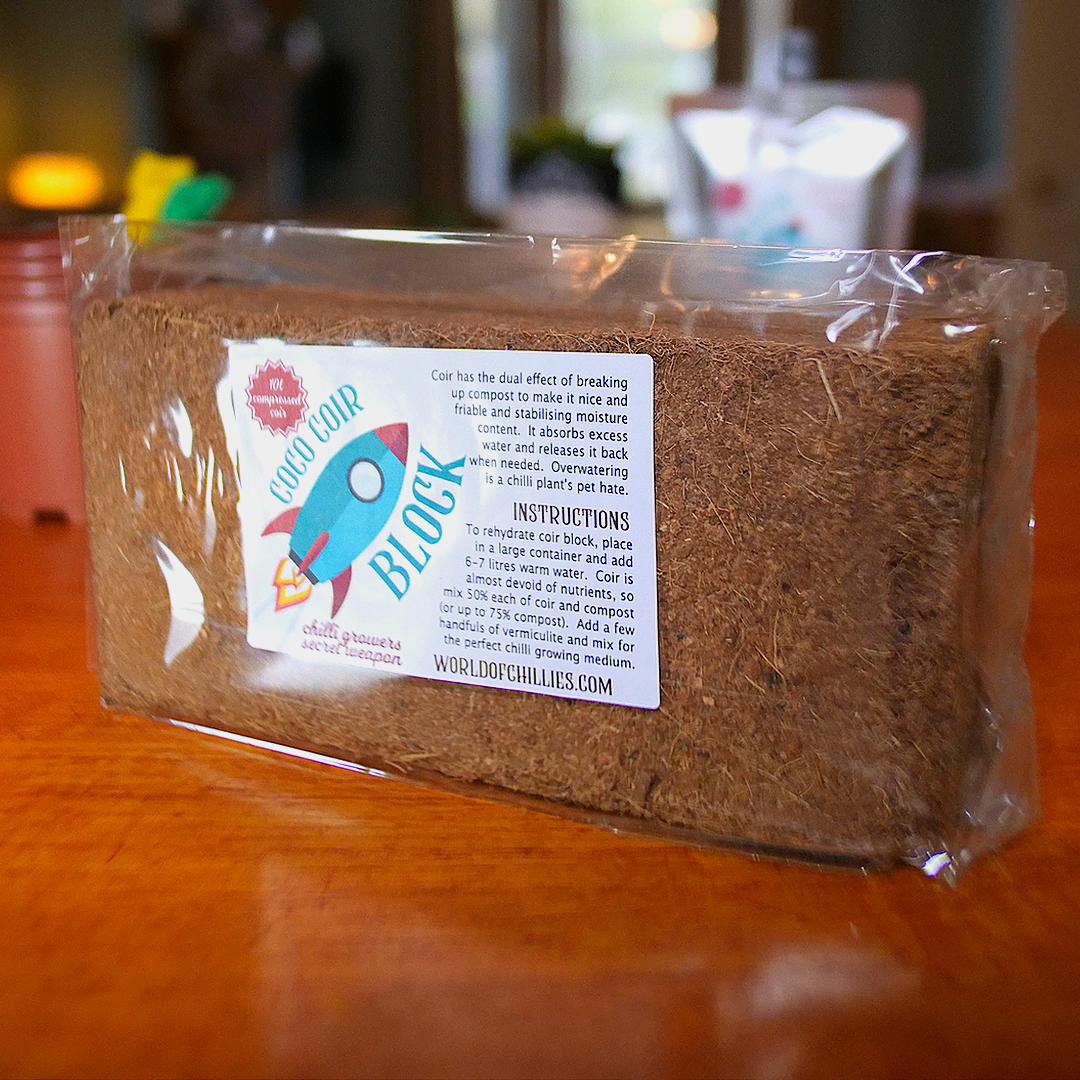
Coir Blocks

Classic Hots

Record-breakers

Cooks' Collection


World of Chillies was set up by Sarah Hunt in 2011 to promote chilli growing and the enjoyment of everything hot and spicy.

UK Company No. 07860204.
VAT reg. 223126942

1. Easy to Grow: Some chillies are just a joy to grow — compact, reliable, and happy in a pot (5). Others shoot off in all directions or sulk at the first sign of wind (1). I’ve given higher scores to the ones that do well here in the UK.

2. Ornamental Quality: A few of these are real show-offs, with pods that look like jewels or dramatic foliage that turns heads. Others are more practical than pretty. This score is just about how good they look on the patio or in the greenhouse.

3. Heat Level: This isn’t a technical SHU score — it’s just a kitchen-friendly 1 to 5. A 1 means very mild (like a jalapeño), a 5 is properly hot (think Bhut Jolokia). It should help you judge what you’re in for!

4. Hardiness: How well do they cope with our unpredictable summers? I’ve given higher scores to the tough ones that keep going through cool nights, wind, or patchy weather without much fuss.

5. Culinary Use: This one’s about how often I actually use them. Some are perfect for pickling, stuffing or powders — others look good but don’t end up in many meals. If it’s flavourful and versatile, it scores high.

Hover or touch to pause carousel