Turkish Snake
Impossibly Long & Lovely

Turkish Snake Chilli Plug Plant

Turkish Snake Chilli Plug Plant

Long Fruit, Mild Heat:Heat Level: ★ ☆ ☆ ☆ ☆

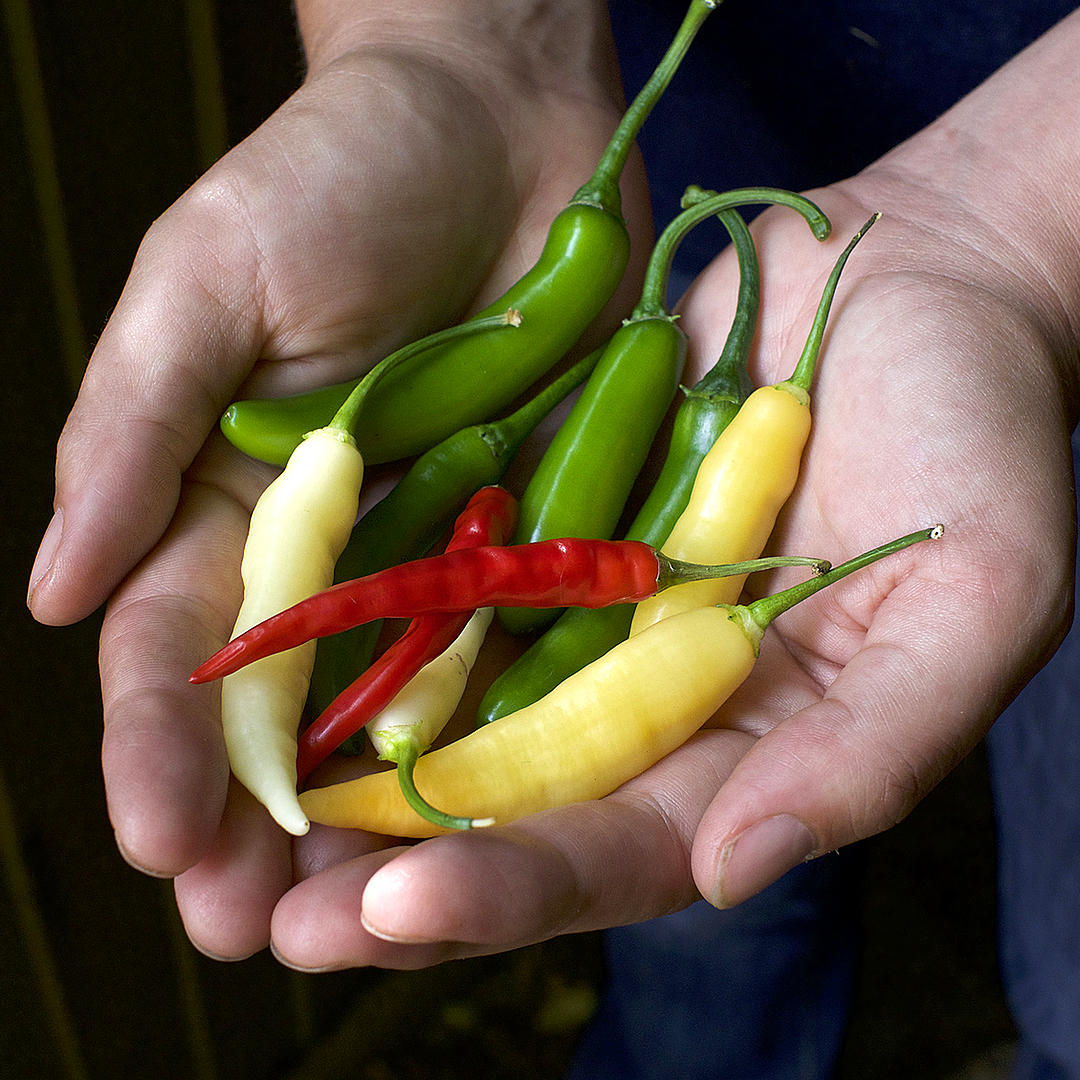
Turkish Snake is a long, slender Turkish chilli grown primarily for fresh cooking, valued for its shape, mild heat and ability to be used generously rather than sparingly. It’s one of those varieties where the form tells you how it’s meant to be used: long pods, thin walls, quick cooking.

Heat is low to mild. Some plants lean closer to sweet, others carry a gentle warmth, but it’s never intended to dominate a dish. Turkish Snake is used as a vegetable chilli — something to cook with in quantity rather than as a seasoning.

The pods are very long, narrow and often twisted or curved, sometimes reaching impressive lengths. They ripen from green to red, but in Turkey they’re most commonly used green. The thin walls soften quickly when cooked, making them ideal for fast frying and everyday pan work.

In Turkish cooking, chillies like this are typically fried whole in olive oil until blistered, then served alongside eggs, yoghurt, beans or flatbreads, or folded into stews and vegetable dishes. Length matters here: the pods are easy to turn in the pan and to lift out whole once cooked.

The plants are productive and vigorous, setting large numbers of pods over a long season. They prefer warmth and sun but don’t require extreme heat, making them well suited to outdoor growing in a sheltered spot.

Turkish Snake is not a pickling chilli and not grown for sauces or powders. Its value lies in fresh use — long pods, quick cooking, and gentle heat that fits easily into everyday meals.

Additional Information

Species: Capsicum annuum

Heat Level: Mild – typically around 1,000 to 3,000 Scoville Heat Units (SHU). Often closer to sweet than hot.

Origin: Turkey. A traditional long-podded chilli grown for fresh cooking.

Ethnographic Context: Commonly fried whole in olive oil and served as a vegetable accompaniment rather than used as a seasoning.

Fruit Appearance: Very long, slender pods that may twist or curve. Usually harvested green, ripening to red if left.

Biological Trait: Thin pod walls soften quickly when cooked, releasing aroma without prolonged heat.

Plant Habit: Vigorous, productive plants with steady yields over a long season.

Primary Use: Fresh cooking only. Not intended for pickling, drying or sauce-making.

Growing Conditions: Thrives in warm, sunny positions outdoors or under cover. Regular harvesting encourages continued cropping.

How to Grow Chillies: My free 28-page booklet, "How to Grow Chillies," is included with every plant or seed order to help you achieve a successful harvest.

Coir Blocks

Classic Hots

Record-breakers
Cooks' Collection


World of Chillies was set up by Sarah Hunt in 2011 to promote chilli growing and the enjoyment of everything hot and spicy.

UK Company No. 07860204.
VAT reg. 223126942

1. Easy to Grow: Some chillies are just a joy to grow — compact, reliable, and happy in a pot (5). Others shoot off in all directions or sulk at the first sign of wind (1). I’ve given higher scores to the ones that do well here in the UK.

2. Ornamental Quality: A few of these are real show-offs, with pods that look like jewels or dramatic foliage that turns heads. Others are more practical than pretty. This score is just about how good they look on the patio or in the greenhouse.

3. Heat Level: This isn’t a technical SHU score — it’s just a kitchen-friendly 1 to 5. A 1 means very mild (like a jalapeño), a 5 is properly hot (think Bhut Jolokia). It should help you judge what you’re in for!

4. Hardiness: How well do they cope with our unpredictable summers? I’ve given higher scores to the tough ones that keep going through cool nights, wind, or patchy weather without much fuss.

5. Culinary Use: This one’s about how often I actually use them. Some are perfect for pickling, stuffing or powders — others look good but don’t end up in many meals. If it’s flavourful and versatile, it scores high.

Hover or touch to pause carousel