The Chilli that Earns its KeepDried on the plant, steady in the pan, indispensable through winter.
The Chilli that Earns its Keep
Dried on the plant, steady in the pan, indispensable through winter.
I didn’t mean to grow it as a drying chilli. I just didn’t pick it. It sat outside while the season slipped on, the pods still upright on the plant as October turned into November. I left it alone, more out of distraction than intention, and the plant carried on regardless. By the time I finally brought it in, the chillies had already begun to dry on the bush. A short spell laid out on paper finished the job. It was only once I started cooking with them that I understood what I’d ended up with.
Chinese Facing Heaven is a small, upright chilli most often encountered dried rather than fresh. The name chaotianjiao refers to the way the pods grow on the plant, pointing upwards rather than hanging down. It’s one of several closely related Capsicum annuum types grown widely across China, particularly in regions where dried chillies are part of everyday cooking rather than an occasional addition.
It works best dried and used whole. The pods are leathery rather than brittle, but in warm oil they soften quickly, releasing a steady, rounded heat. This isn’t a chilli that spikes. It builds warmth slowly and carries flavour rather than sitting on it.
It works best dried and used whole. The pods are leathery rather than brittle, but once they hit warm oil they soften quickly and release a steady, rounded heat. This isn’t a chilli that spikes. It builds warmth slowly and carries flavour rather than sitting on top of it.
Flavour Profile: Chinese Facing Heaven
▶ Heat (Hotness): 4. This is not a stunt heat. It doesn’t burst through the door waving its arms. It slips in early, warms the oil, and takes its coat off. The heat arrives like a civil servant who’s very good at their job — quiet, methodical, and impossible to ignore once the paperwork starts piling up. You don’t wince; you just notice that everything suddenly makes sense.
▶ Sweetness: 1. Sweetness barely registers. If it’s there at all, it’s the sort that’s been left in a drawer for several winters and forgotten about. This chilli has no interest in being liked. It isn’t flirting. It’s here to add ballast, not charm.
▶ Fruitiness: 2. Any fruit notes have long since packed up and moved on. What remains is a memory — dried skins, sun-warmed dust, the ghost of something once red and fresh. If fruit appears at all, it does so briefly and then excuses itself, embarrassed by the attention.
▶ Texture (Firmness): 6. Dried, the pods are leathery and resilient — like something designed to survive long journeys in coat pockets. They cut cleanly, soften politely in oil, and never collapse into mess. These are chillies with good manners and a strong sense of personal integrity.
▶ Juiciness: 1. Juiciness is not the brief here. This chilli does not gush, drip, or splash. It releases its flavour the way a good story is told — slowly, into the oil, without ever raising its voice. If you’re looking for moisture, this one suggests you add it yourself.
▶ Aftertaste (Complexity): 6. After the heat has done its work, something stays behind. A low, steady warmth. A hint of earth. A faint suggestion of smoke. It’s the culinary equivalent of finding the kitchen still warm an hour after everyone’s gone to bed — proof that something useful happened earlier, even if no one made a fuss about it.
That behaviour is why chillies of this type are commonly used to flavour oil in Chinese cooking. They’re added at the start, warmed gently, and often removed before the dish is finished. Their role is to give depth and heat to the base of the dish without dominating it.
I use them in exactly that way — a few pods warmed in oil before a stir-fry, or cooked gently to flavour oil for a sauce. I’ve used them in chilli con carne, in stir-fries, and even in tomato-based sauces where a sharper chilli would feel out of place. They bring warmth without taking over.
Because these are dried at home rather than bought, they keep more aroma than most shop-bought dried chillies. That alone makes them worth growing.
In Sichuan and neighbouring regions, small dried annuum chillies like Facing Heaven are a common cooking ingredient rather than a garnish. They appear in stir-fried dishes, braises and chilli oils, where heat is carried through oil rather than raw bite.
They’re often left whole so they can be controlled and removed easily, and they’re valued for what they contribute to the dish rather than for being eaten in their own right.
As a plant, it’s straightforward and forgiving. It forms an open, slightly sprawling bush, with fine branches holding the pods clear of the leaves. The chillies are small but numerous, dotted across the plant rather than hidden. I grew it outdoors with very little intervention and it still cropped well. Letting the pods dry naturally on the plant suited both the chilli and the way it’s used.
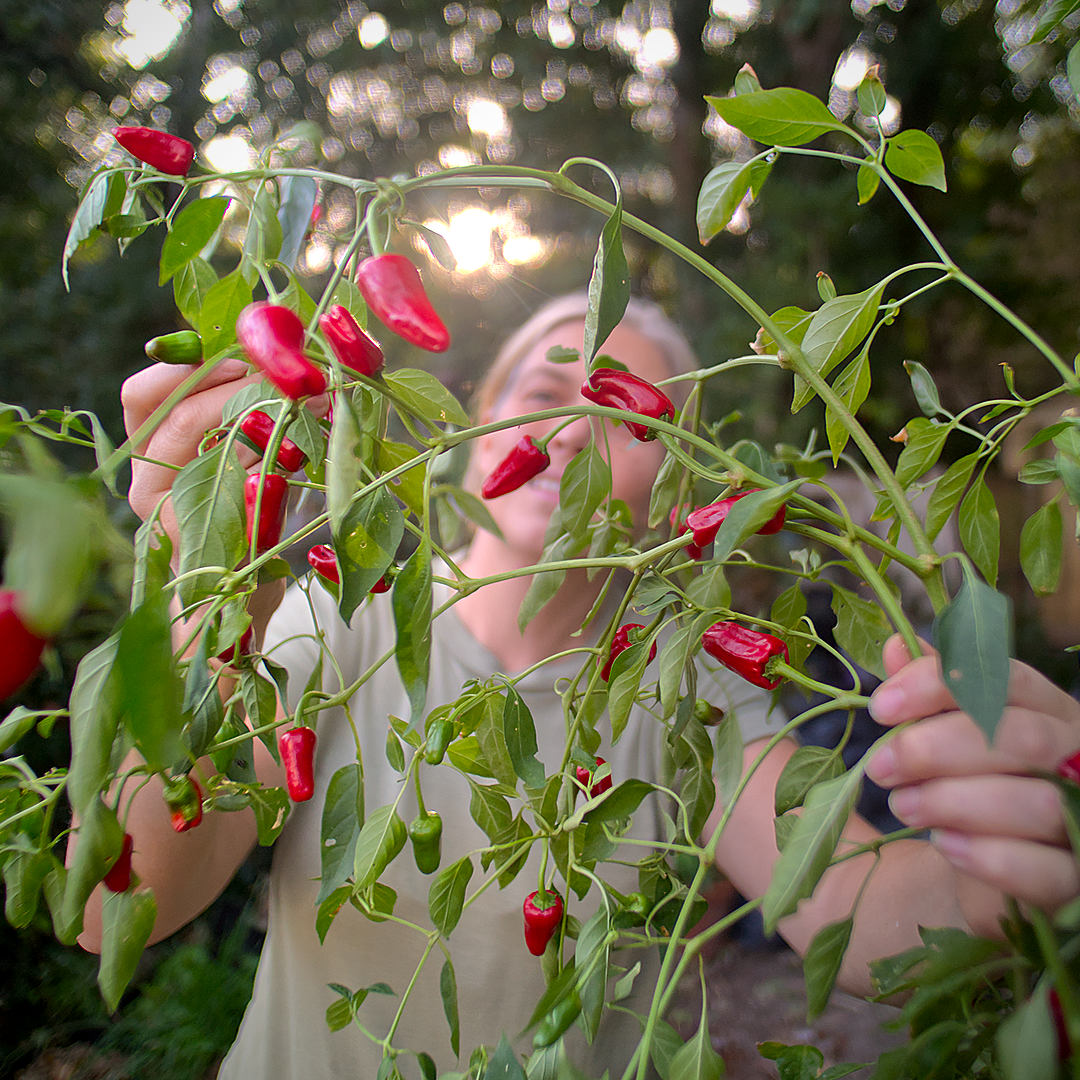
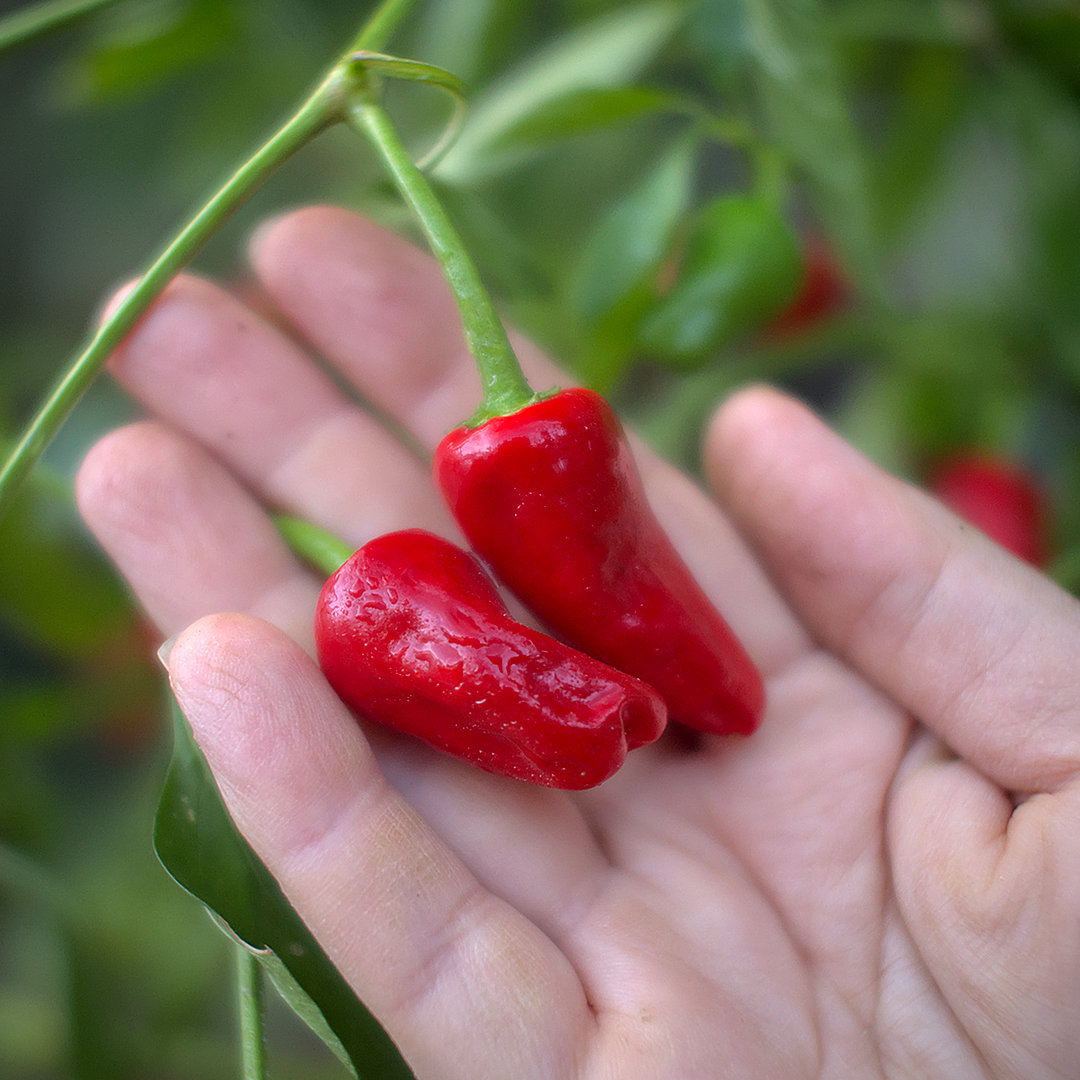
Short, blunt pods deliver clean heat without excess flesh or sweetness.
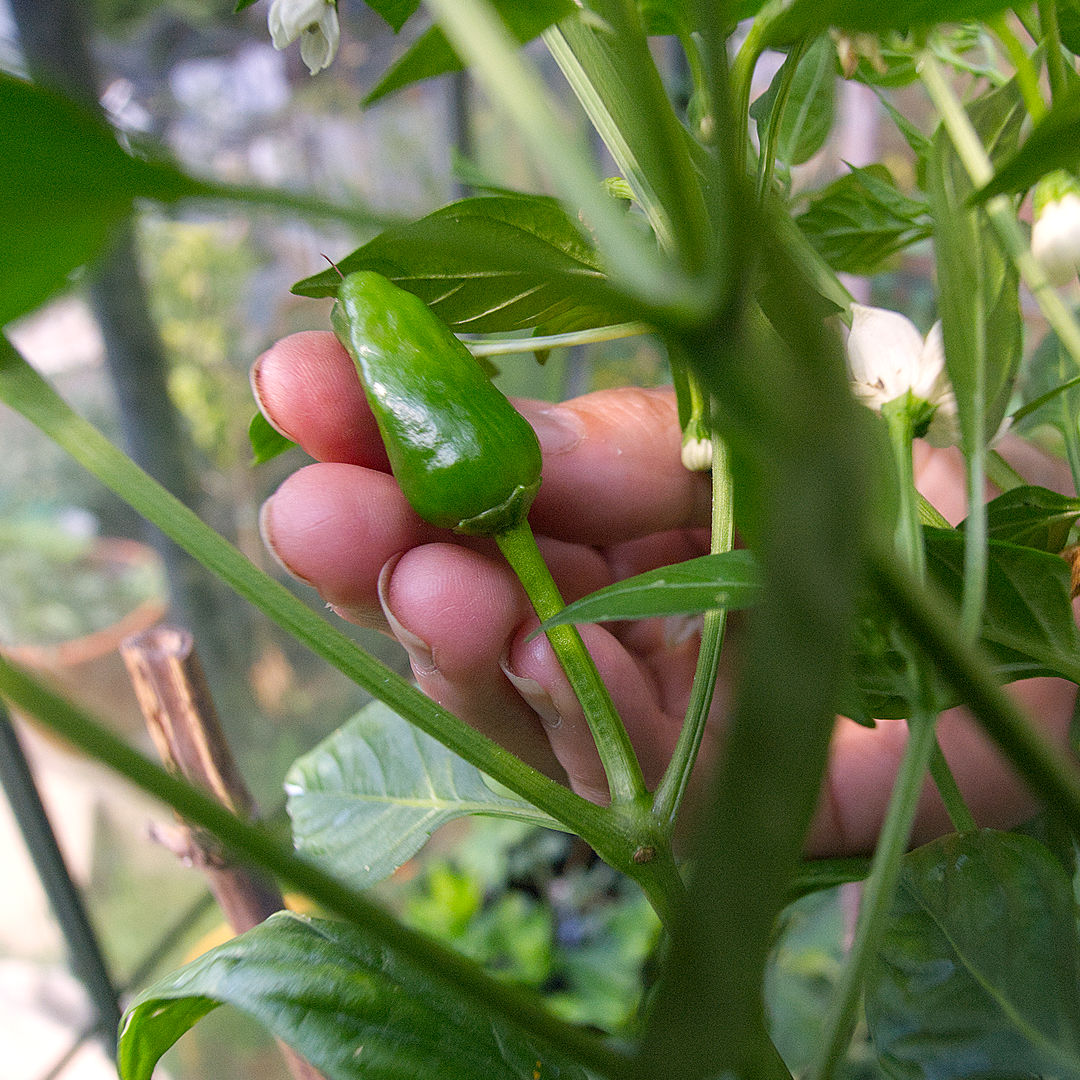
An unripe pod: green first, then red as the heat and flavour develop.
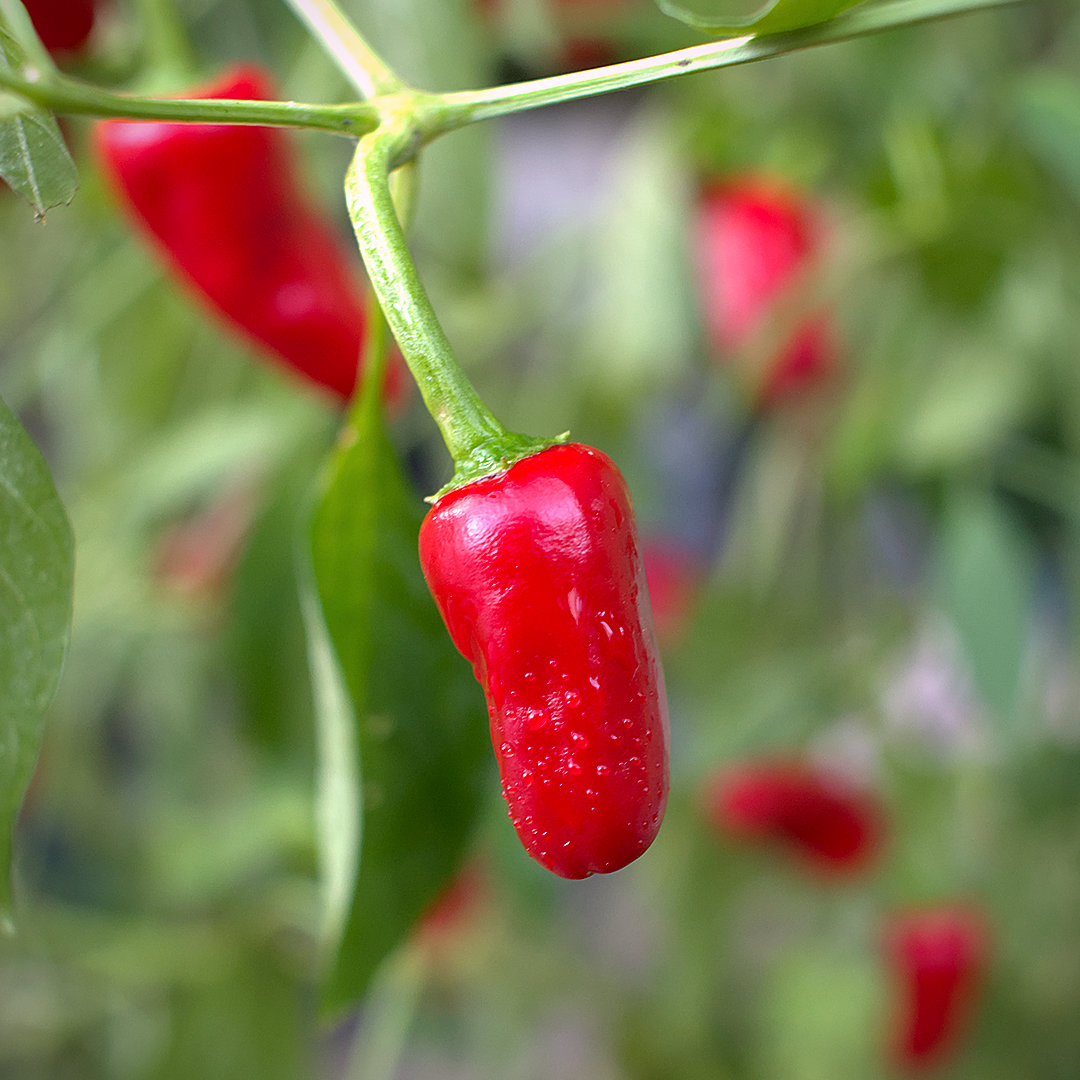
Once turning red, pods finish quickly and rarely linger half-ripe.
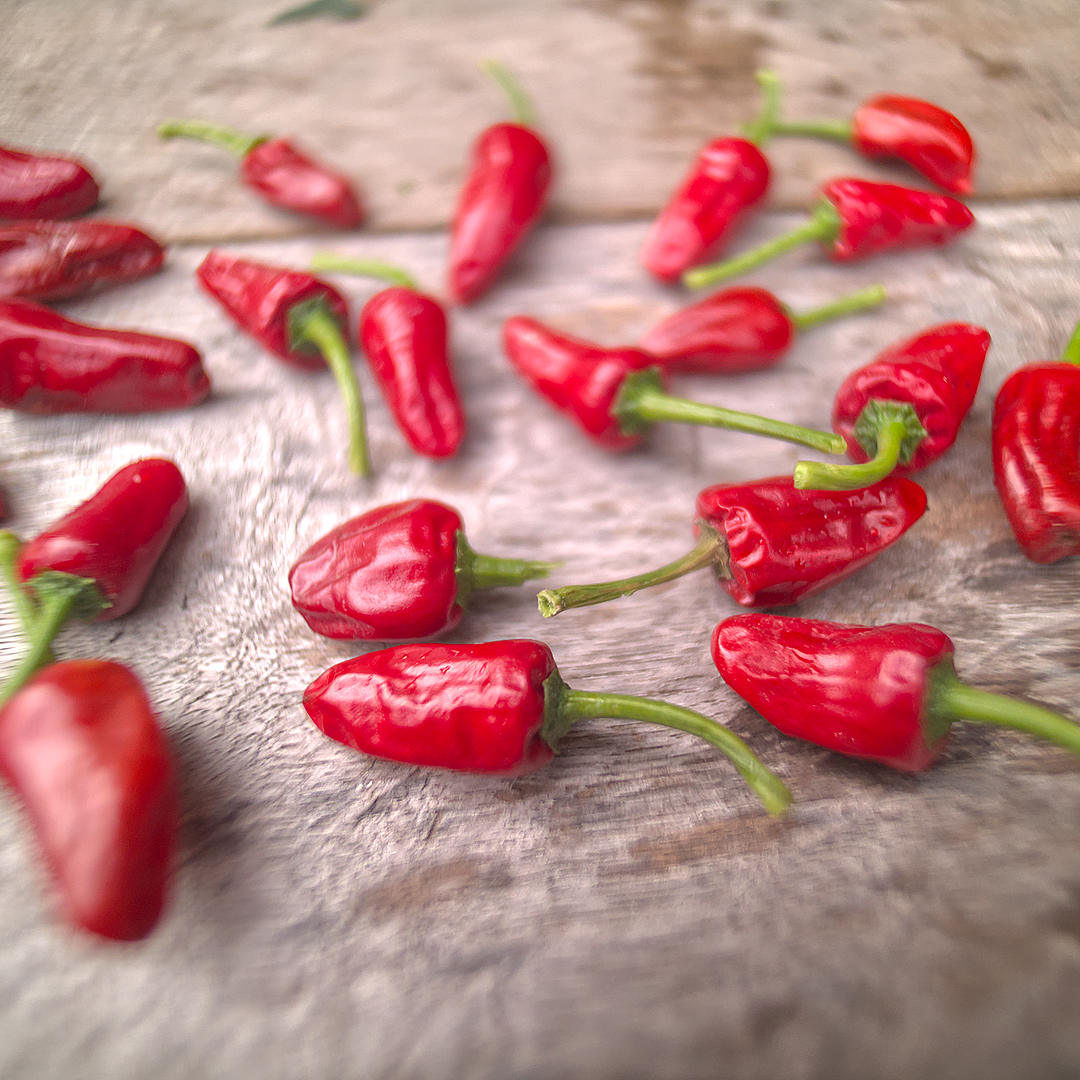
Small pods dry quickly, either on the plant or shortly after picking.
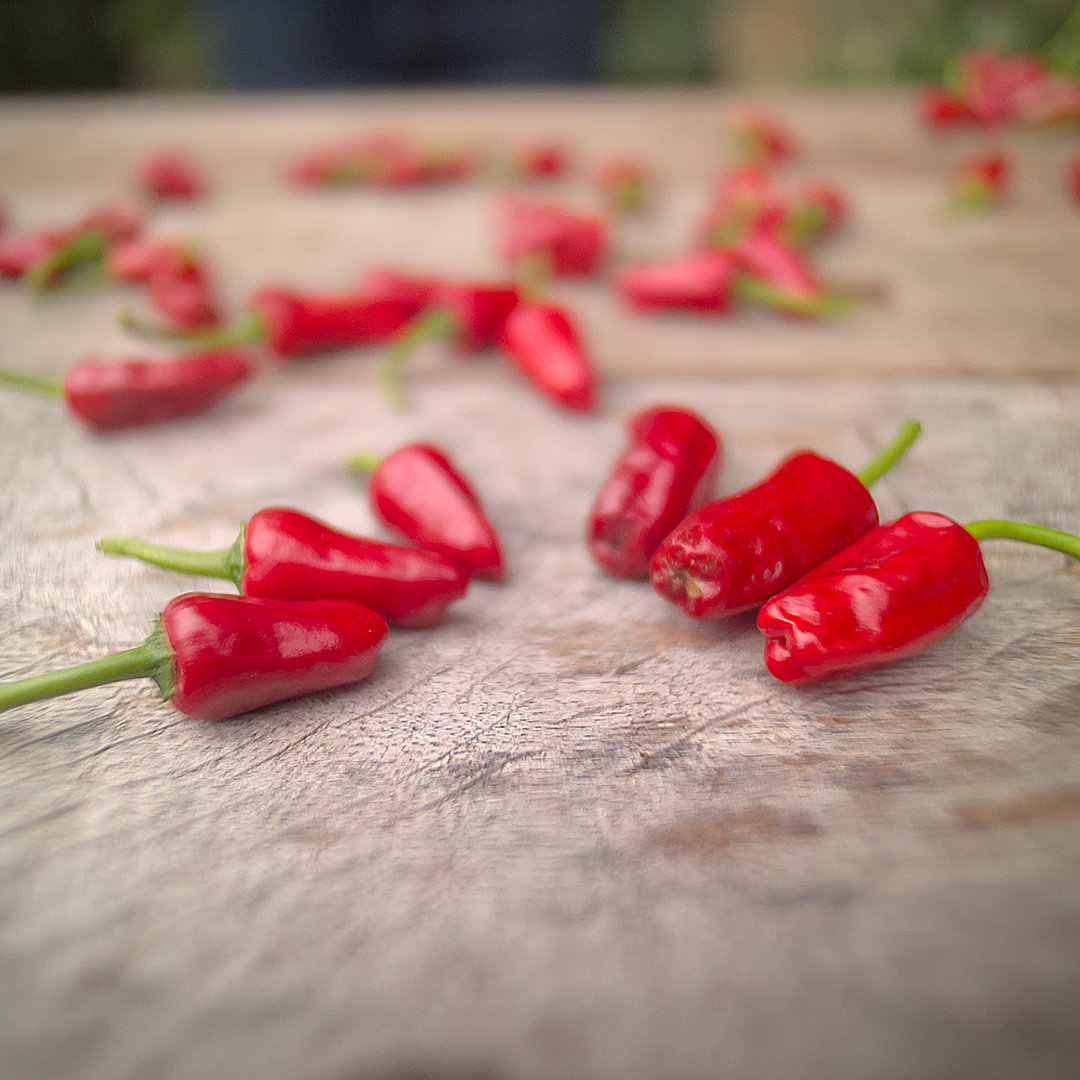
As pods age, their shape changes — older fruits blunt and wrinkle slightly.
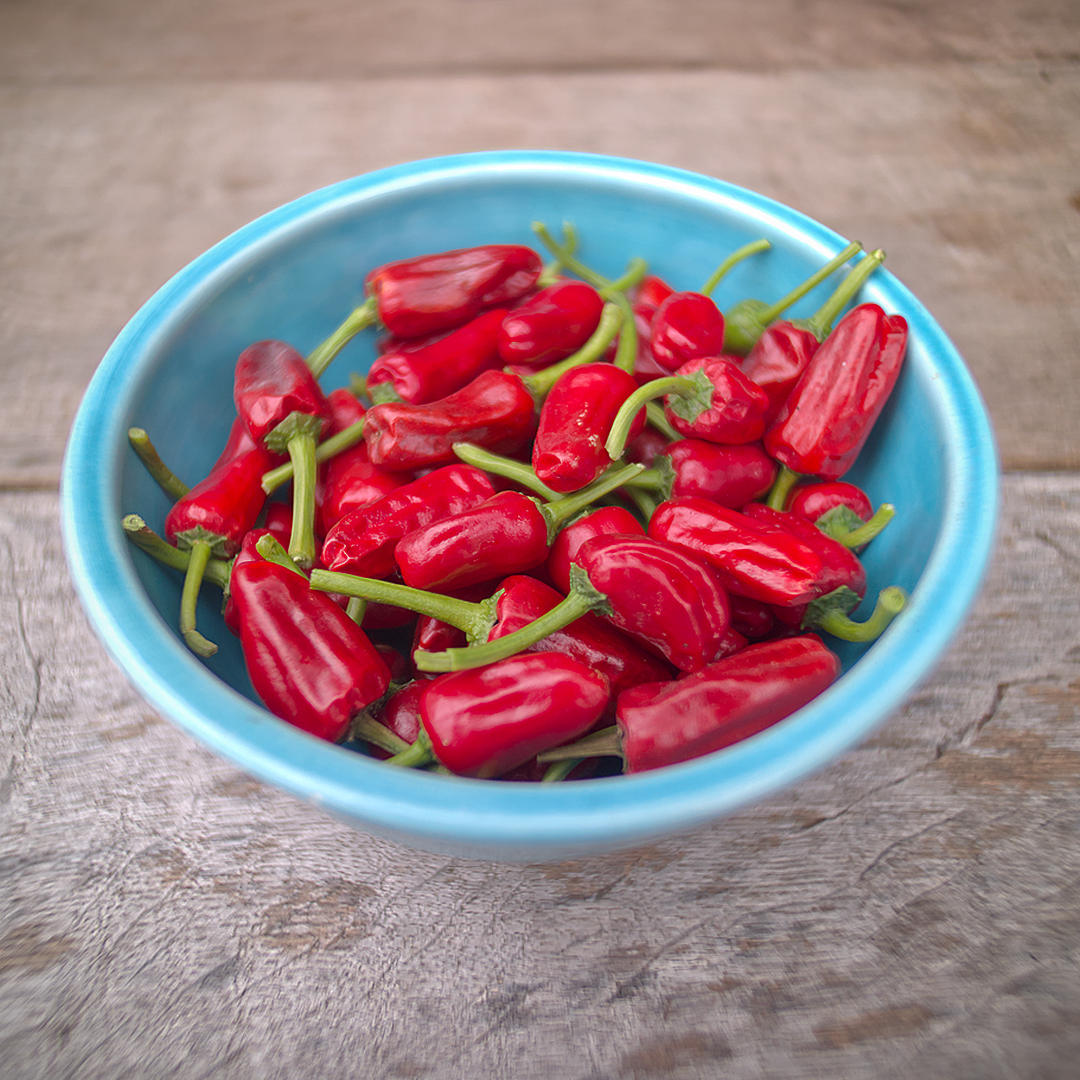
A traditional Chinese chilli grown for direct heat rather than sweetness.
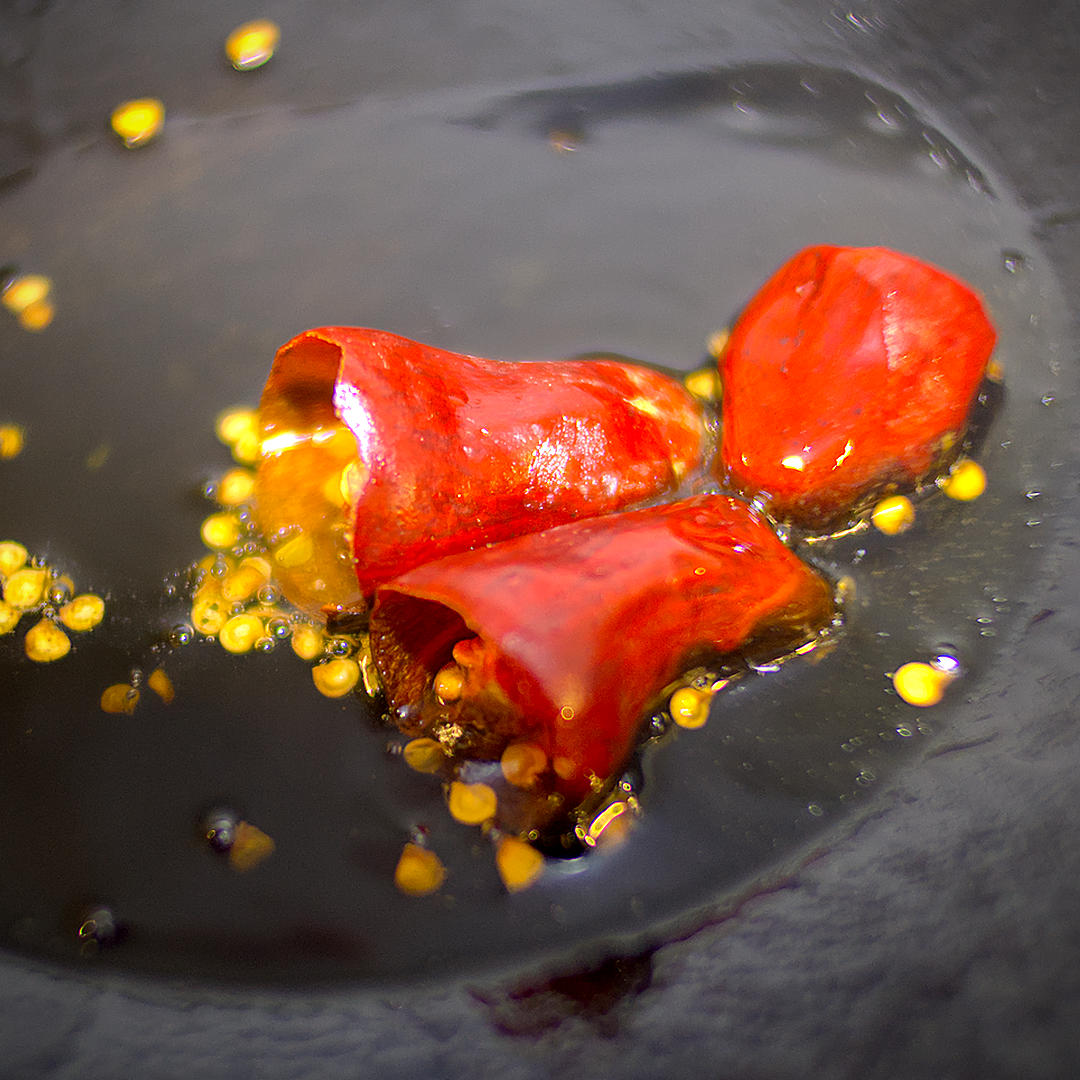
A chilli for seasoning oil. Brings depth, warmth & flavour to your cooking.
It’s one I’ll keep growing for practical reasons. It’s undemanding, happy outdoors once the weather warms up, and doesn’t need a greenhouse slot. It crops reliably, then dries beautifully on the bush. When everything fresh has finished, it’s still there, quietly making itself useful — which, in the end, is exactly what I want from a chilli.
We’ve only got a small early batch. Chinese Facing Heaven plants are £1.95 (half price), dispatching mid-February.
If you’ve already placed a pre-order, just add Chinese Facing Heaven, leave a note at checkout, and we’ll refund the extra postage.
World of Chillies was set up by Sarah Hunt in 2011 to promote chilli growing and the enjoyment of everything hot and spicy.
UK Company No. 07860204.
VAT reg. 223126942
▶ 1. Heat (Hotness): The defining characteristic for most people. Is it mild, medium, or hot? How does the heat develop—immediate or lingering?
▶ 2. Sweetness: The balance of natural sugars. Some chillies have a sweetness that complements their heat and makes them versatile.
▶ 3. Fruitiness: The aromatic, flavour profile. Does it taste tropical, citrusy, or like berries? This quality lends chillies their distinctive edge.
▶ 4. Crunchiness or Firmness (texture): Freshness matters. Is the chilli crunchy or soft, or somewhere in between?
▶ 5. Juiciness: How much moisture does the chilli release? This can influence its suitability for fresh eating or cooking.
▶ 6. Aftertaste (Complexity): What lingers after the initial bite? Is there a smokiness, an earthiness, or a clean finish?
▶ Schedule of Dispatches . We’re pleased to let you know that we’re preparing to dispatch our first plug plants!. Please follow the link for a rough schedule, but please note that we’ll send your order once everything in it is ready. This ensures you receive the best possible plug plants—so if there’s a slight delay, rest assured you haven’t been forgotten. ▶ MORE INFORMATION