Chilli of the Week - Fish Pepper
Chilli of the Week - Fish Pepper
The Fish Pepper – A Spicy Tale of Resilience & Flavour
Let me introduce you to a little chilli pepper with a big story – the Fish Pepper. This small but mighty cultivar of Capsicum annuum has a rich history, having been developed and cherished by African American communities in the Chesapeake region. With its variegated foliage and vibrant peppers that transition from green to red, the Fish Pepper is as visually stunning as it is flavourful.
Originating from the Caribbean, the Fish Pepper found its way to the Chesapeake, where it was cultivated by enslaved Africans in Baltimore. Food historian Michael W. Twitty suggests that the pepper may have been brought by Haitians.
By the 1870s, it had become a staple ingredient in the Black community, particularly in crab houses and oyster bars, earning it the nickname "fish pepper." Chefs prized its unique trait of albinism, as it allowed them to spice white foods without altering their colour.
Pippin, who suffered from arthritis pain believed in a quirky remedy: honeybee stings. But his grandfather wasn't keen on sacrificing his bees for this remedy, but Pippin had a solution – he'd bring seeds in exchange for the bees.
Unfortunately, urbanisation led to a decline in the popularity of Fish Peppers during the early 20th century, and they eventually disappeared from restaurant menus and seed catalogs. But thanks to a fortuitous barter between Black folk painter Horace Pippin and beekeeper H. Ralph Weaver in the 1940s, the Fish Pepper was saved from extinction.
William Weaver writes that his grandfather, a beekeeper from West Chester, Pennsylvania, made an interesting deal with Horace Pippin. Pippin, who suffered from arthritis pain he called "the miseries," believed in a quirky remedy: honeybee stings. But his grandfather wasn't keen on sacrificing his bees for this remedy, but Pippin had a solution – he'd bring seeds in exchange for the bees.
These seeds were rare gems from old-time gardeners in places like Baltimore. Among them were the 'Fish' peppers, which had a cool backstory. In Baltimore, Black caterers used them to make white paprika for creamy sauces, keeping the colour pure.
These Fish Peppers had been around since the 19th century, passed down through generations by word of mouth. They were like hidden treasures, secrets of the culinary world. In terms of heat, Fish Pepper packs a punch like cayenne, but with a smoother flavour when cooked. The white pods were perfect for soups, adding spice without muddying the broth. Weaver's grandson, William Woys Weaver, rediscovered the seeds in 1995 and sent them to the Seed Savers Exchange, leading to the resurrection of this beloved pepper.
One of the most striking features of the Fish Pepper is its variegated foliage, with leaves that are mottled in white and green. This ornamental quality makes it a favourite not only in the kitchen but also in landscaping.
As the peppers mature, they undergo a dramatic colour transformation, starting as creamy white and ending as deep blood red. Fish Peppers typically range from 5,000 to 30,000 units on the Scoville scale.

Striped pods of the Fish Pepper

The Fish Pepper is highly ornamental

Varigated foliage of the Fish Pepper
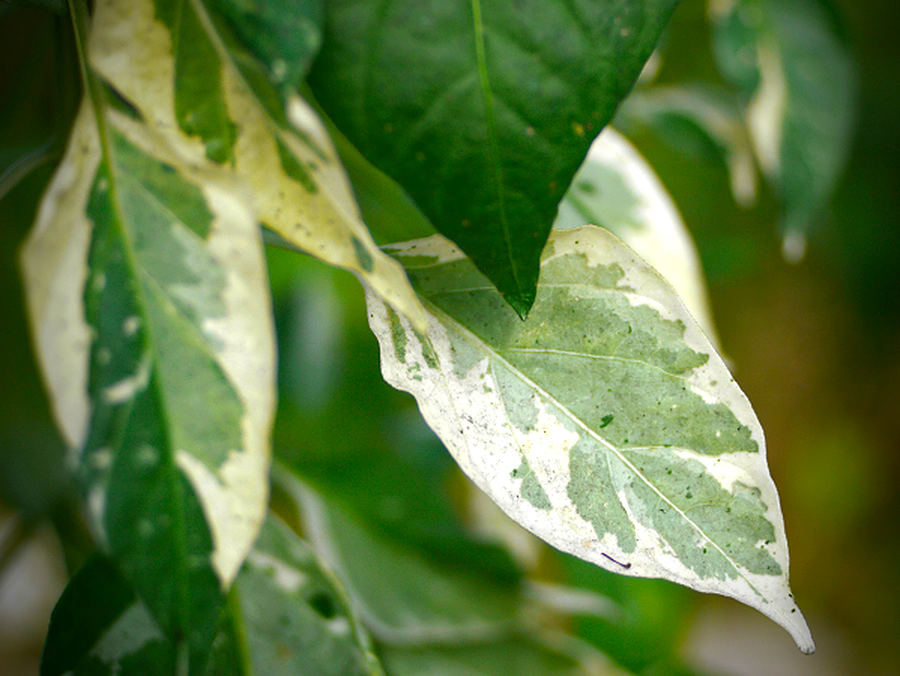
deeply mottled leaves
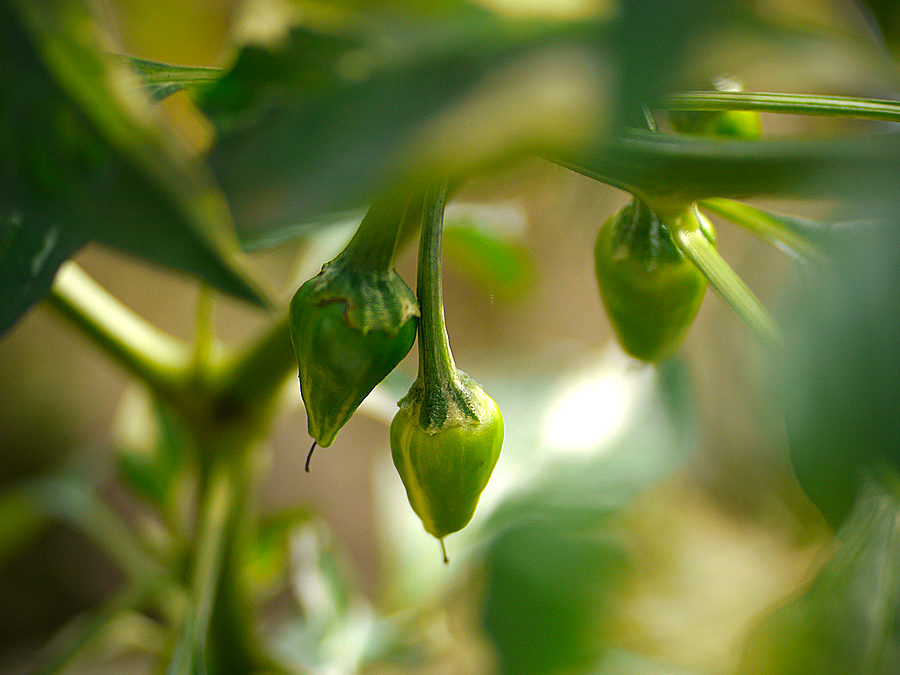
Fish Pepper pods forming
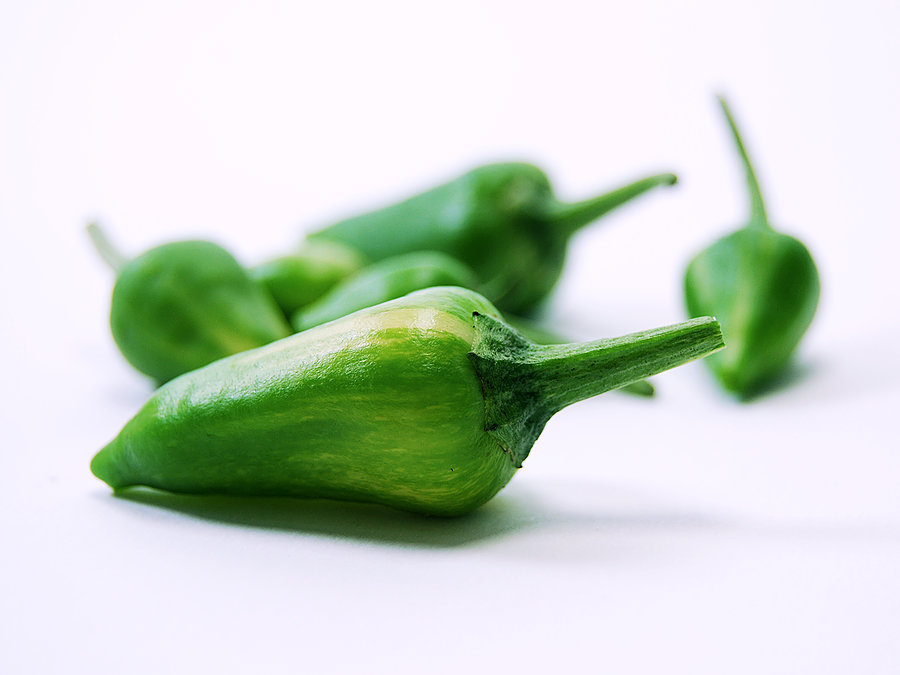
Characteristic cone-shaped pods
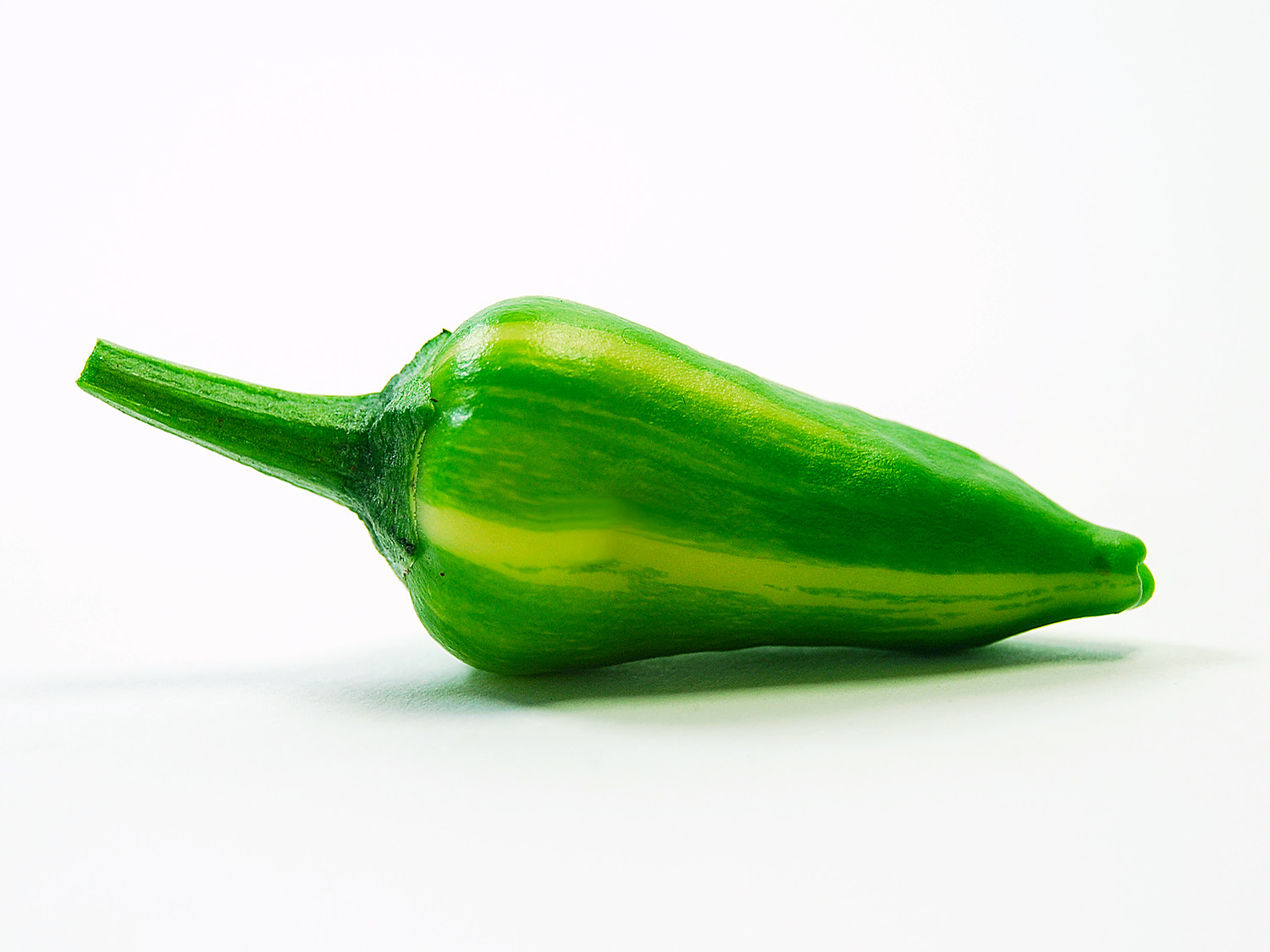
A great chilli with a great story
In terms of size, Fish Peppers grow to about 1.5 to 2 inches in length, while the plant itself is quite small only reaching a height of around 70cm. With its spicy flavour and eye-catching appearance, the Fish Pepper has once again found its place in Mid-Atlantic cuisine, gracing dishes at restaurants as well as delighting gardeners.
So, the next time you're looking to spice things up in the kitchen or add pop of variegated colour to your garden, consider giving the Fish Pepper a try. With its rich history and vibrant flavour, it's sure to make a splash in your culinary adventures.
World of Chillies was set up by Sarah Hunt in 2011 to promote chilli growing and the enjoyment of everything hot and spicy.
Chilli Plants
Tomatoes
Chilli Seeds
Delivery Info
About Us
Contact Us
Sign Up Chilli Club
Privacy
Terms & Conditions