Slimy Saboteurs
Slimy Saboteurs
Getting to Know British Slugs: A Love-Hate Relationship
Nothing can quite prepare you for that midnight encounter in the kitchen – a sensation that evokes not just disgust but a symphony of sensations, from the initial squish beneath your toes to the grizzly task of trying to scrape the residue off your skin.
Stepping on a piece of Lego is just painful… with a slug there is no pain… just a feeling of quiet horror. Few animals can evoke revulsion quite like a slug; the gardener’s ultimate nemesis?
But maybe it’s time to reevaluate the world of British slugs, those enigmatic gastropod molluscs that roam our gardens with stealth and determination.
Unlike their shelled relatives, these creatures have shed their protective armour in favour of a more streamlined existence.
With over 40 species calling Britain home, each boasting its own quirks and preferences, the world of slugs is as diverse as it is intriguing.
For many gardeners, slugs are the bane of their existence – the silent saboteurs of carefully nurtured gardens. With a voracious appetite for tender young plants, these nocturnal marauders leave a trail of destruction in their wake. Seedlings, bedding plants (don’t mention hostas), and vegetable crops alike fall victim to their insatiable hunger.
Stepping on a piece of Lego is just painful… with a slug there is no pain… just a feeling of quiet horror. Few animals can evoke revulsion quite like a slug; the gardener’s ultimate nemesis?
Yet, amidst the chaos and carnage, a subtle shift in perception has begun to take root. No longer viewed solely as garden villains, slugs are gaining recognition for their vital role in the garden ecosystem. As nature's custodians of decay, they play a crucial role in breaking down organic matter, enriching the soil and returning nutrients to the earth. Moreover, they serve as a vital food source for a myriad of creatures, from birds to hedgehogs, contributing to the delicate balance of the ecosystem.
The traditional methods of slug control, once hailed as saviours by gardeners, have come under scrutiny in recent years. Slug pellets, laden with chemicals that pose a threat not just to slugs but to other creatures, are now banned.
The copper they release into the soil, once thought harmless, now raises concerns about its impact on soil health and biodiversity. Eco-friendly methods of slug control now go hand-in-hand with a newfound appreciation for the complexity of the garden ecosystem.
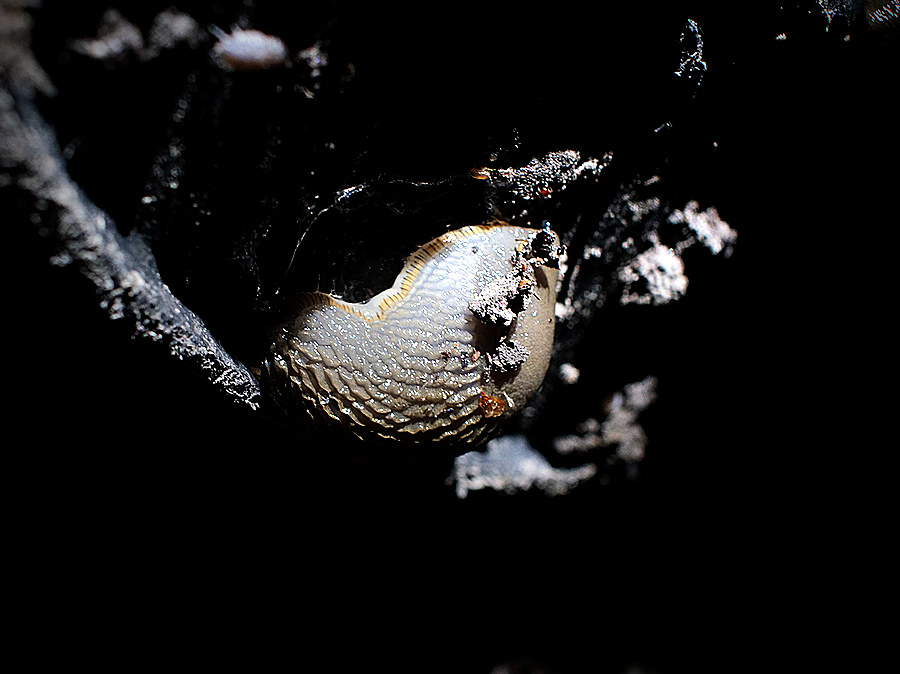
The horror.. the horror
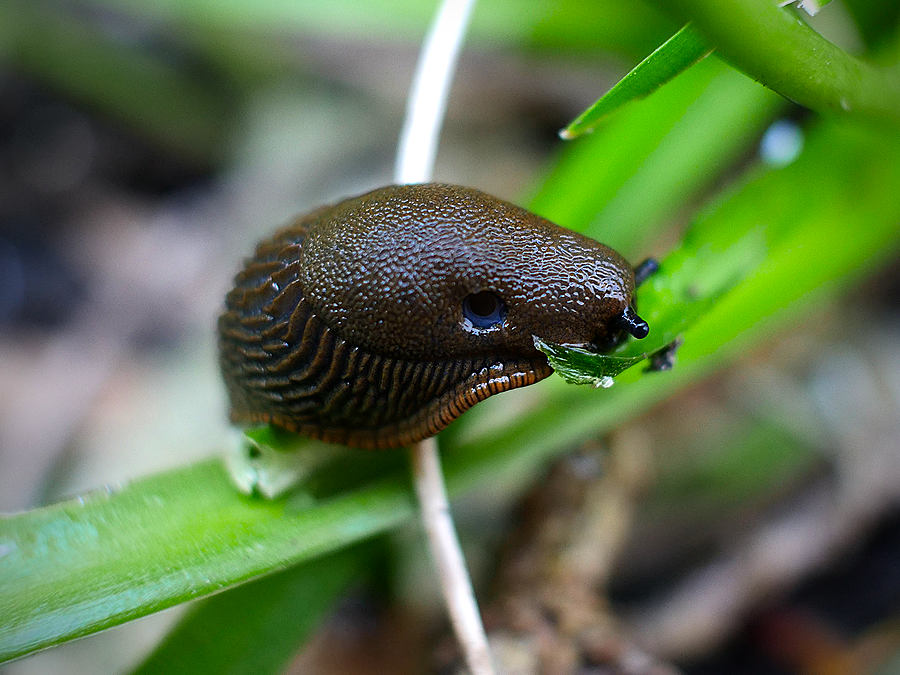
Did someone say 'Dinner time"?
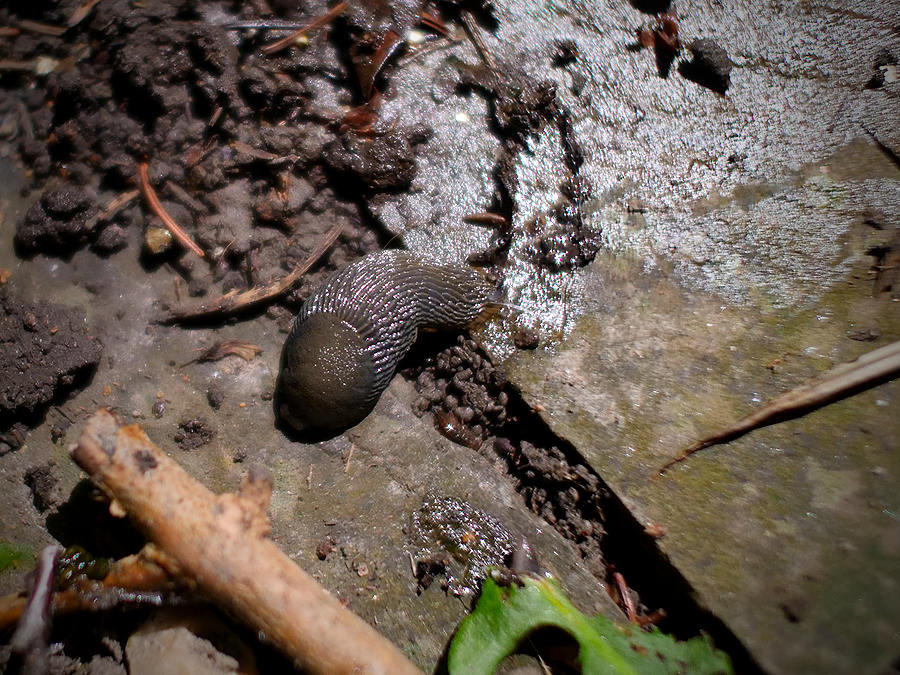
Lurking in the damp.. waiting for nightfall
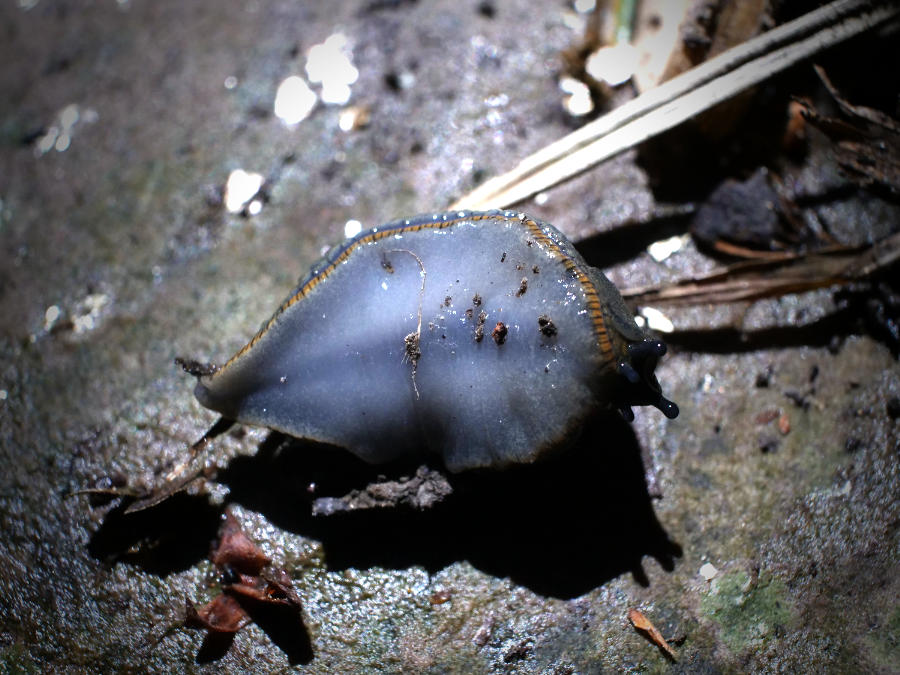
The belly of beast. Every slime is unique
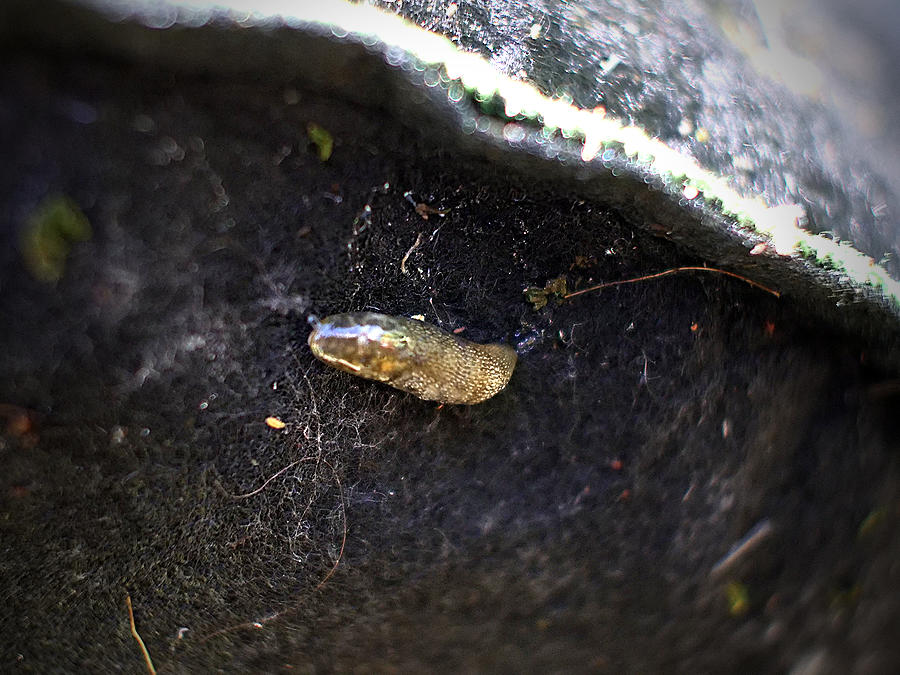
From tiny slugs... mighty slugs will grow

Slugs love damp terracotta
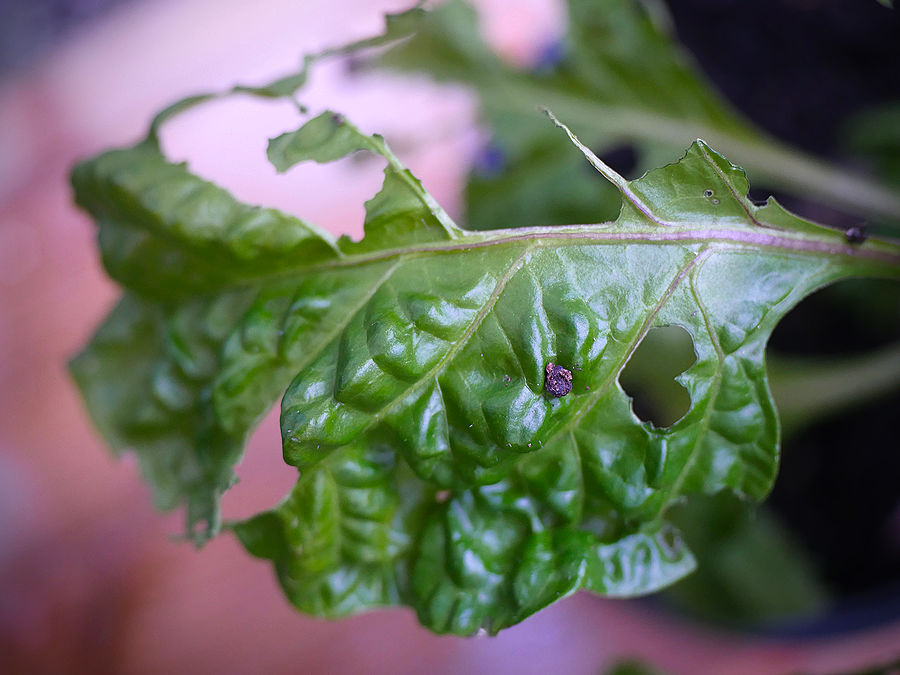
Leaf eaten by slugs
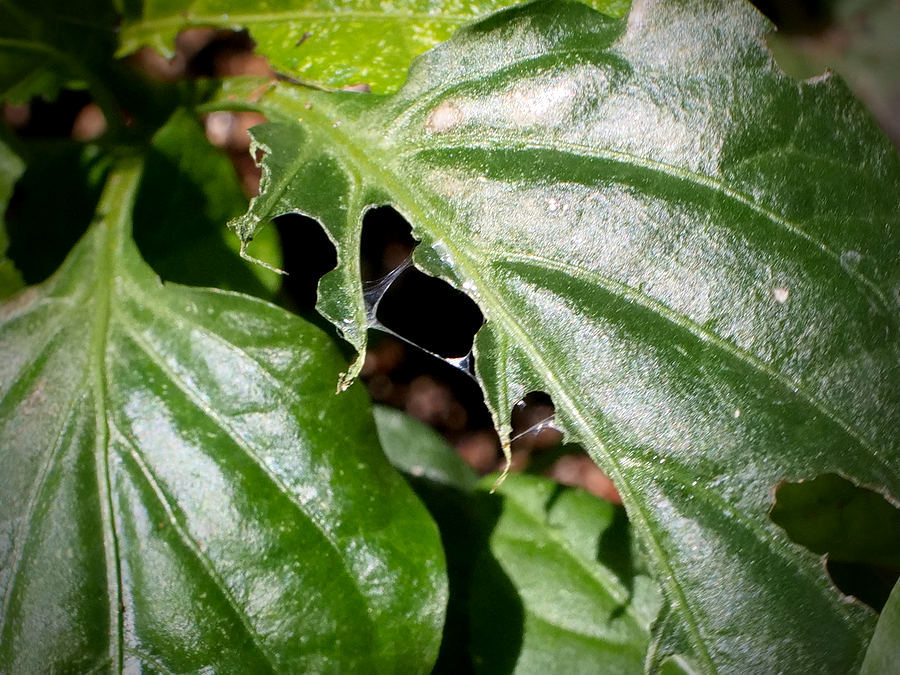
Slugs go for the juiciest leaf parts
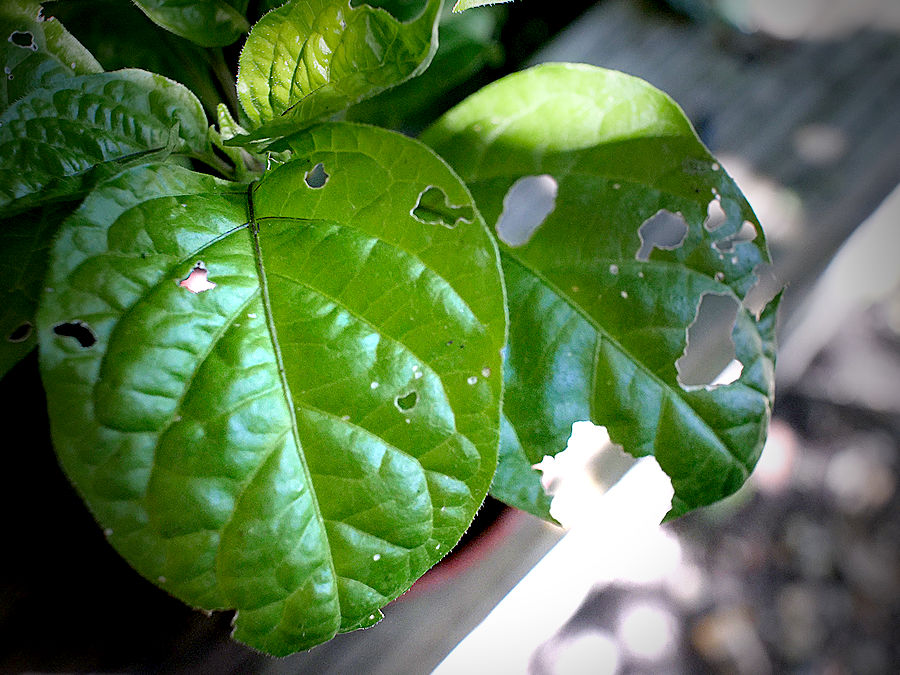
tell-tale marks
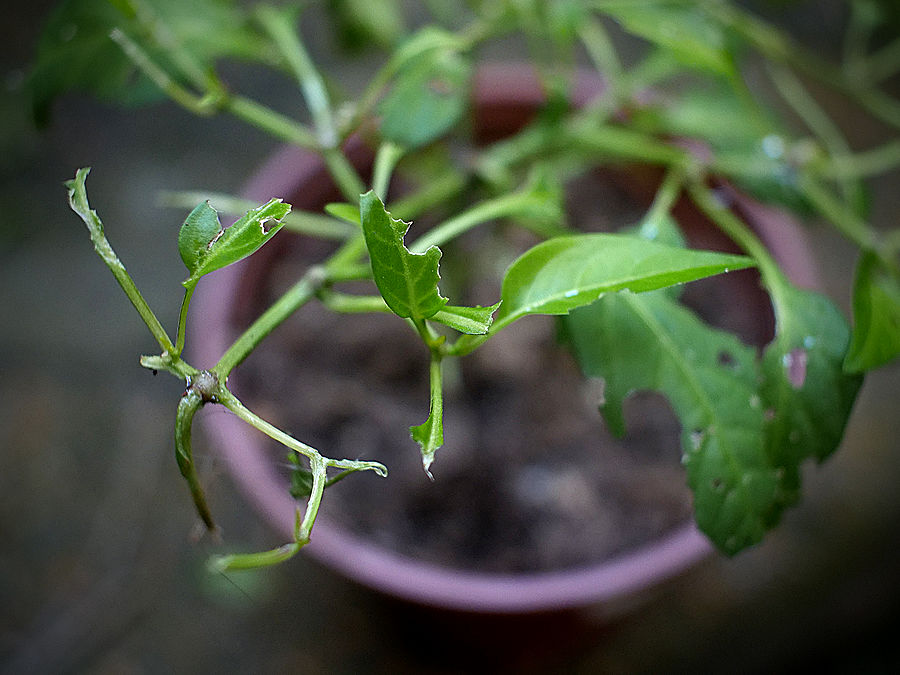
My poor Cayonetta chilli... should just about survive

Tomatoes stop slugs with their hairy stems
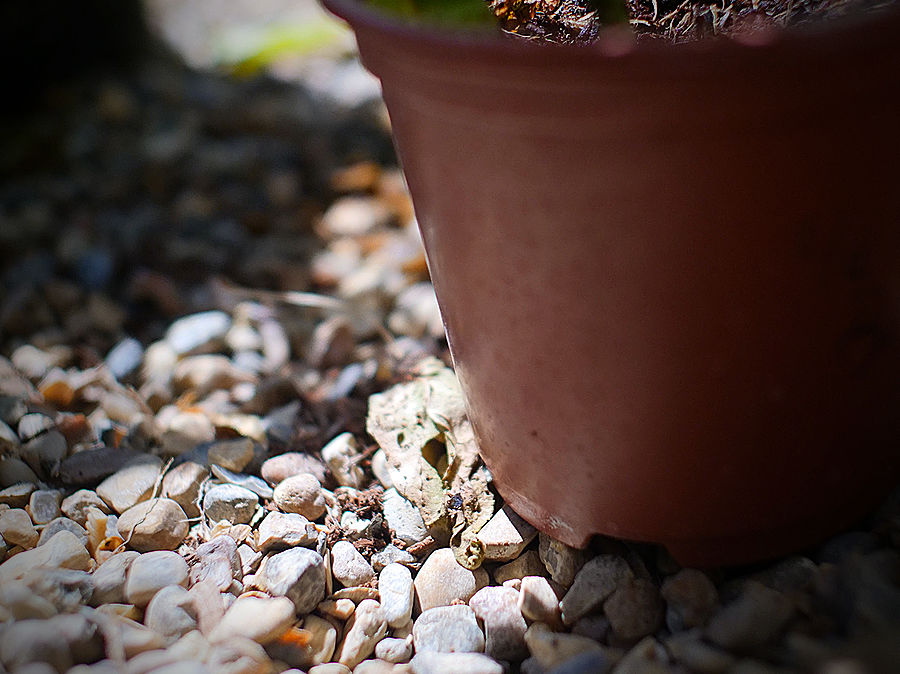
Gravel can make an effective barrier
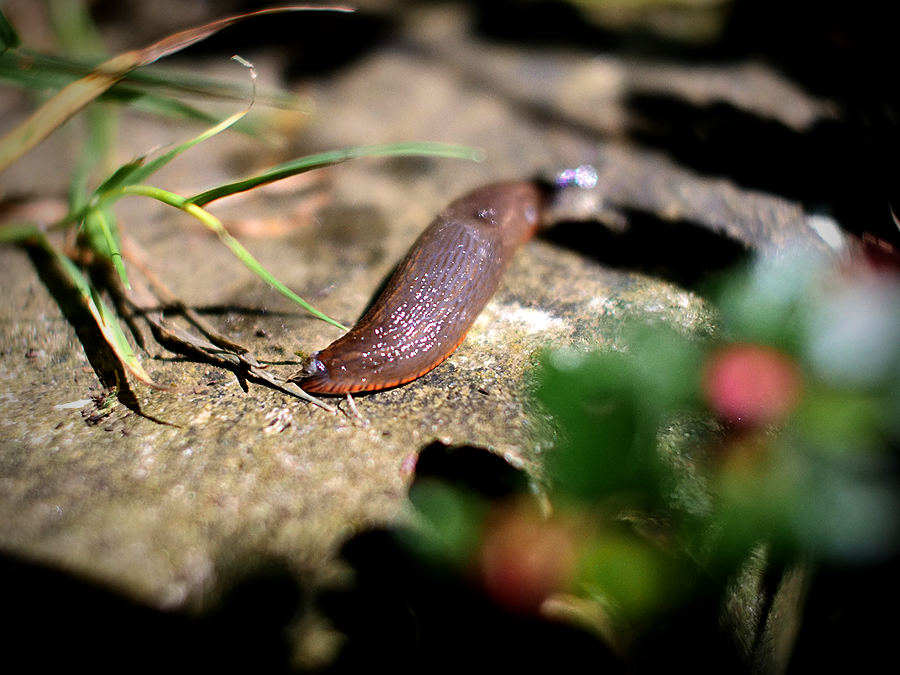
Ciao.. and thanks for dinner
In more recent years, this evolving perspective has led to the reclassification of slugs as more than mere garden pests. They are now recognised as integral components of the garden tapestry, their presence woven into the very fabric of life. Rather than adversaries to be vanquished, they are seen as allies, their role in the intricate dance of nature acknowledged and respected.
As gardeners embrace sustainable practices and seek harmony with the natural world, a newfound sense of balance begins to emerge. Perhaps we need to share something of our gardens with them… but at the same time finding ways of keeping them out of the greenhouse.
So, the next time you find yourself in the kitchen in the dead of night, feeling the unmistakable squish of a slug beneath your toes, take a moment to pause. Consider the complexity of the world that lies beyond your doorstep, where every creature, no matter how small or slimy, plays a vital role in the grand tapestry of life. Of course this is all just wishful thinking. The horror… the horror.
Growing tips from World of Chillies
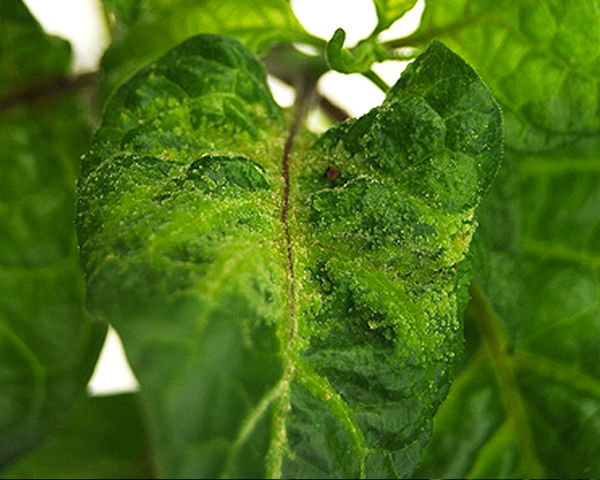
Chilli Problems
Chilli Blogs

Chilli Nutrients
Potting On Chillies
Chilli Pests
Chilli Diseases
World of Chillies was set up by Sarah Hunt in 2011 to promote chilli growing and the enjoyment of everything hot and spicy.
Chilli Plants
Tomatoes
Chilli Seeds
Delivery Info
About Us
Contact Us
Sign Up Chilli Club
Privacy
Terms & Conditions