Teeny Weeny Titans of Taste
Teeny Weeny Titans of Taste
This week join me on a fiery journey into the world of the Tiny Titans of Taste – a quartet of small but formidable peppers that pack a punch beyond their size.

First up is the Chiltepin, a potent icon hailing from the Sonoran Desert, whose tiny stature belies its fiery nature, contributing to local culinary traditions.
Venture into the heart of the Amazon rainforest with the Charapita, adorned with tiny golden suns that infuse a burst of fruity flavour into every dish. Third on the list is the Piri Piri, a versatile and classic chilli celebrated for its heat and all-round culinary prowess.
Finally, the Thai Demon, a diminutive dynamo that, despite its size, proves to be a force to be reckoned with, adding spice and charm to gardens and kitchens alike.
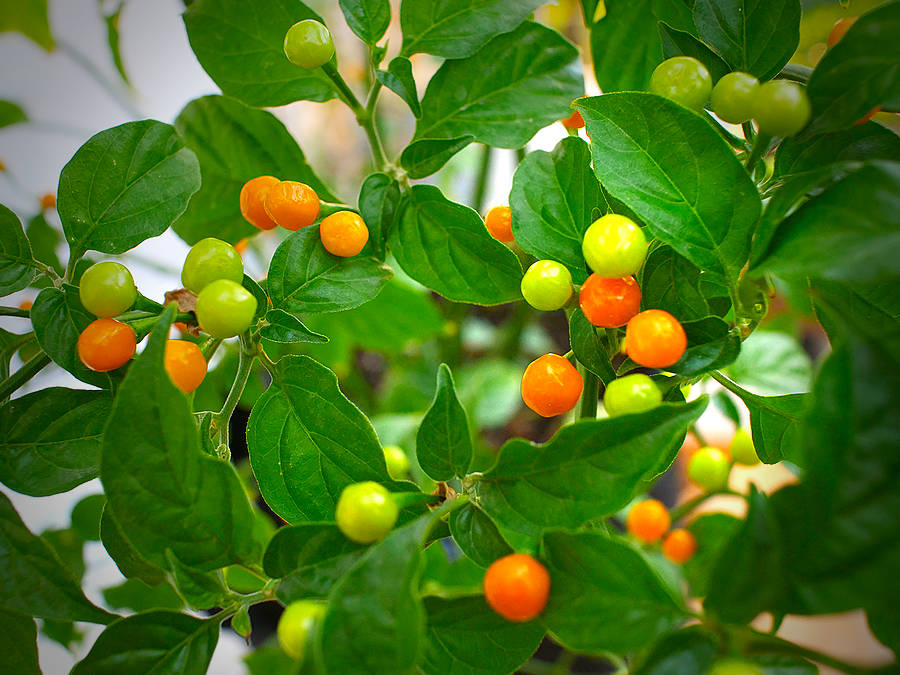
These small yet super-hot chillies stand as testament to the rich tapestry of global culinary diversity, each tiny titan contributing its unique heat and flavour to the vast world of spicy delights.
Chiltepin: Where it all began
Embarking on a journey through the rich tapestry of chilli varieties, the Chiltepin emerges as the mother of all chillies, an emblem of the origins of a vast chilli culture that has woven its way across the planet. Growing these peppers has been a truly special experience, taking me quite literally to the roots of a culinary legacy that spans continents.
Chiltepin plants, with their sprawling nature, command attention as they develop into a mesmerising display of rosy round globes. Beyond their culinary significance, there's an undeniable ornamental charm to the plants when adorned with these fiery jewels. The allure lies not only in the vibrant red hues of the chillies but also in the historical significance they carry as the progenitors of numerous chilli varieties.
The Chiltepin's contribution to the global chilli culture is immeasurable. As the foundational chilli, it paved the way for the creation of thousands of varieties, each bearing a unique fingerprint of heat and flavour.
In my own cultivation, I've witnessed the resilience of these plants, a testament to the hardiness that allowed them to evolve into the diverse array of chillies we know today.
One of the distinctive traits of Chiltepins is the tendency for the chillies to dry onto the plants if not promptly picked. This characteristic transforms the plant into a living decoration, with dried sprigs clinging to the branches.
The visual spectacle extends beyond the garden, as I once created Christmas decorations with little dried Chiltepin sprigs hanging on ribbon garlands. The infusion of festive red and the subtle heat they retained made for a unique and delightful holiday display.
In local culinary traditions, especially in the Sonoran Desert regions where Chiltepin has deep roots, these tiny peppers find their way into an array of dishes.
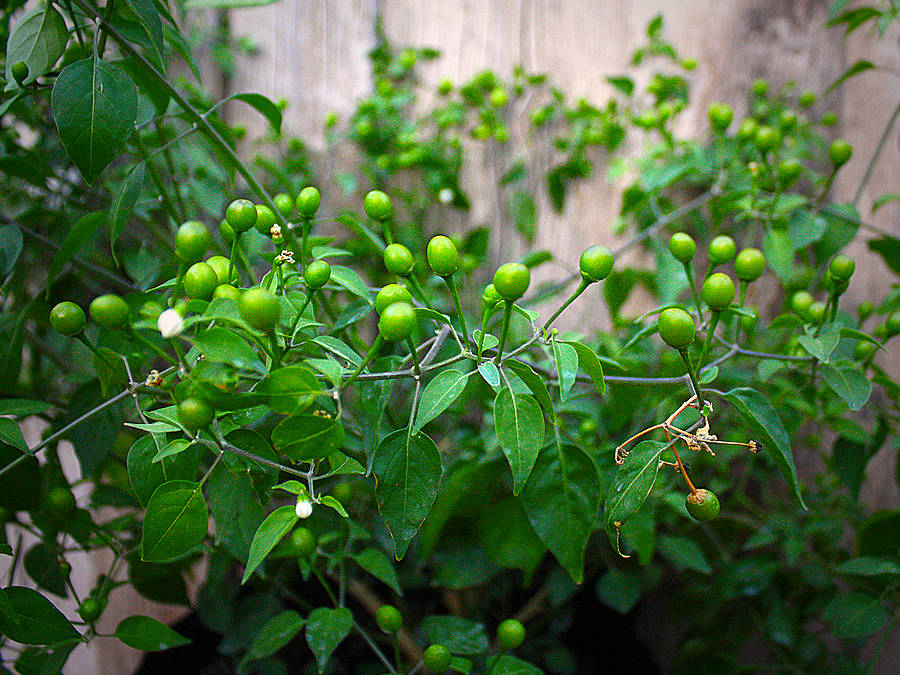
spherical green pods

flowers on deep green foliage
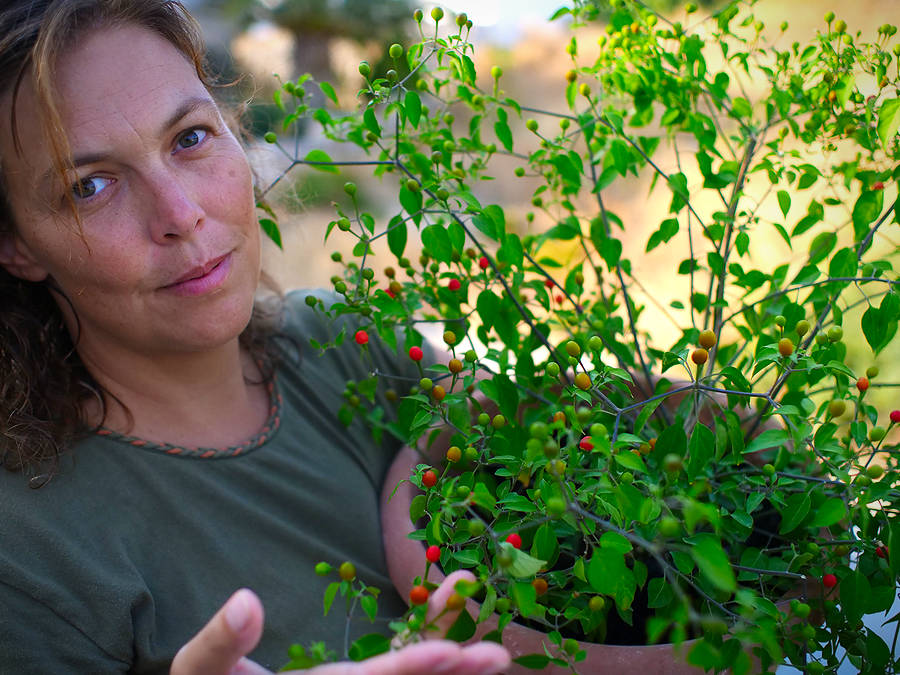
a structurally beautiful plant

a myriad of coloured pods
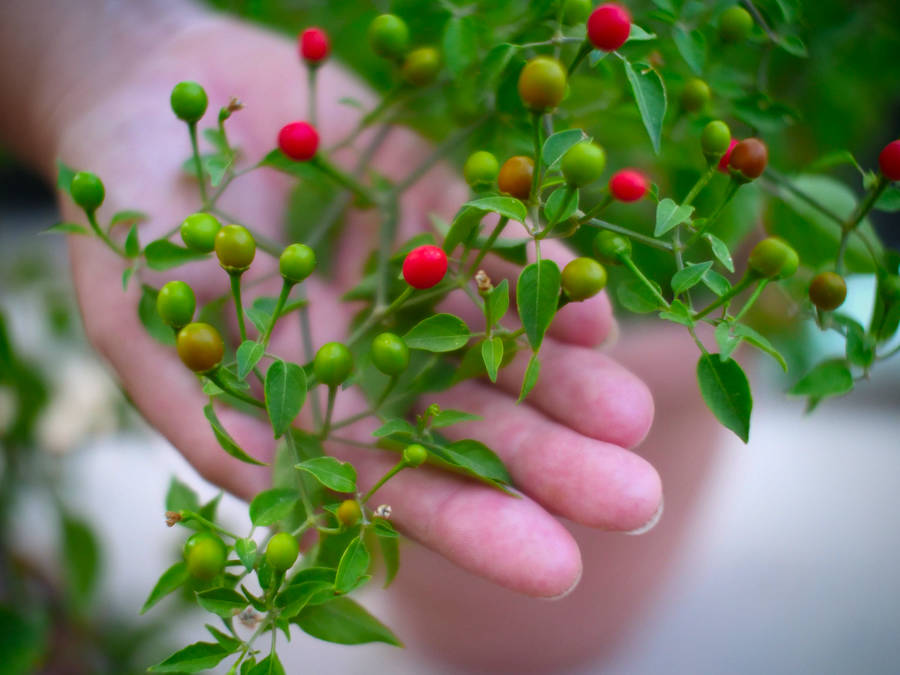
stunning pods
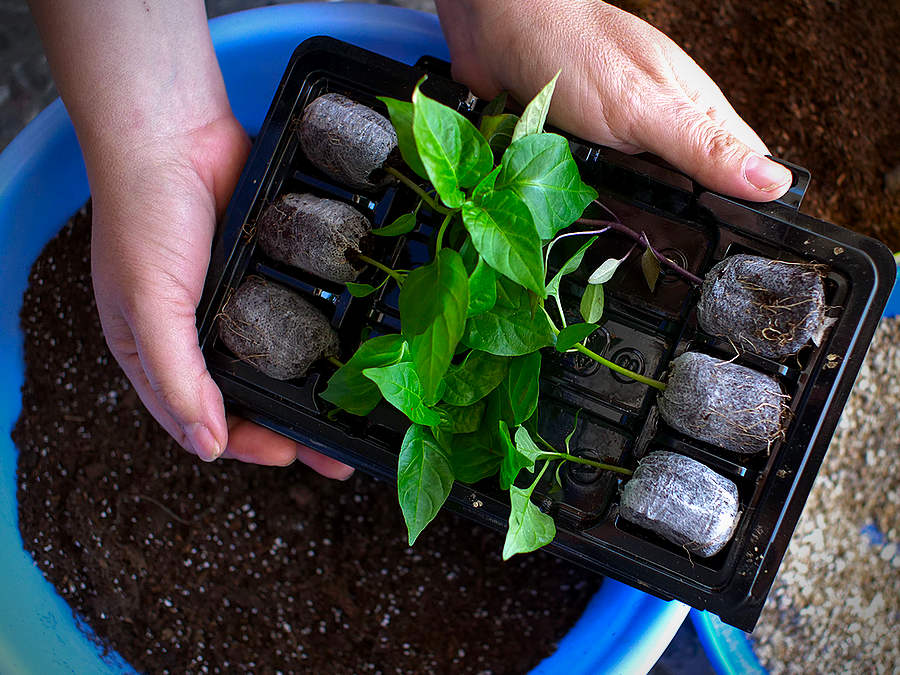
Picture Text
The heat they impart is intense yet nuanced, elevating salsas, stews, and sauces. One iconic dish that showcases the Chiltepin's fiery essence is "Carne Seca," a dried beef preparation where the chillies play a pivotal role in both flavour and preservation.
Charapita: The world's most expensive chilli?
The Charapita chilli, hailing from the Amazon rainforest in Peru and Brazil, has found a second home in the culinary landscape of Mexico, particularly in the southern regions. Its name is derived from the Charapa people who first cultivated and cherished these tiny peppers.
In my gardening experiences, I discovered that Charapitas seem to flourish in warm, humid climates, much like their native Amazonian habitat. Their compact, bushy growth habit makes them well suited to smaller spaces, such as windowsills or balconies. However, these resilient chillies also adapt to larger pots, and can put on an incredible display of pods and foliage. A glorious looking chilli.
I noticed that Charapitas do require a bit of patience in the initial stages, but once established, they become hardy and prolific. The small, lime green spheres transform into golden orbs, creating a picturesque scene that reflects the vibrant cultural tapestry of their origin.
Now, let's delve into the culinary realm of the Charapita in Mexico. Locals have ingeniously incorporated these tiny peppers into their cuisine, creating dishes that showcase the unique fruity flavour of the Charapita. One popular use is in salsas, where the chillies add a burst of citrusy heat, elevating the entire dish. The very small size of Charapitas chilli pods makes them ideal for pickling; one way of preserving their distinctive taste that can be enjoyed year-round.
The Charapita is sometimes referred to as the world most expensive chilli. A combination of small size, limited cultivation, labour-intensive harvesting, culinary desirability, and cultural significance have all contribute to the reputation of Charapita chillies as super desirable and super expensive.
Their rarity and unique characteristics make them a sought-after and premium ingredient in the culinary world.
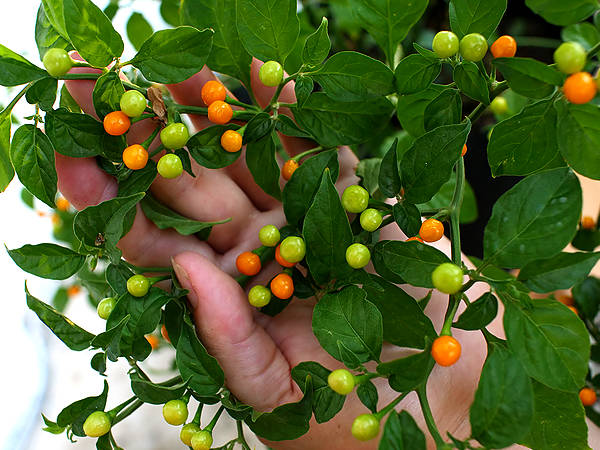
all shades of coloured pods
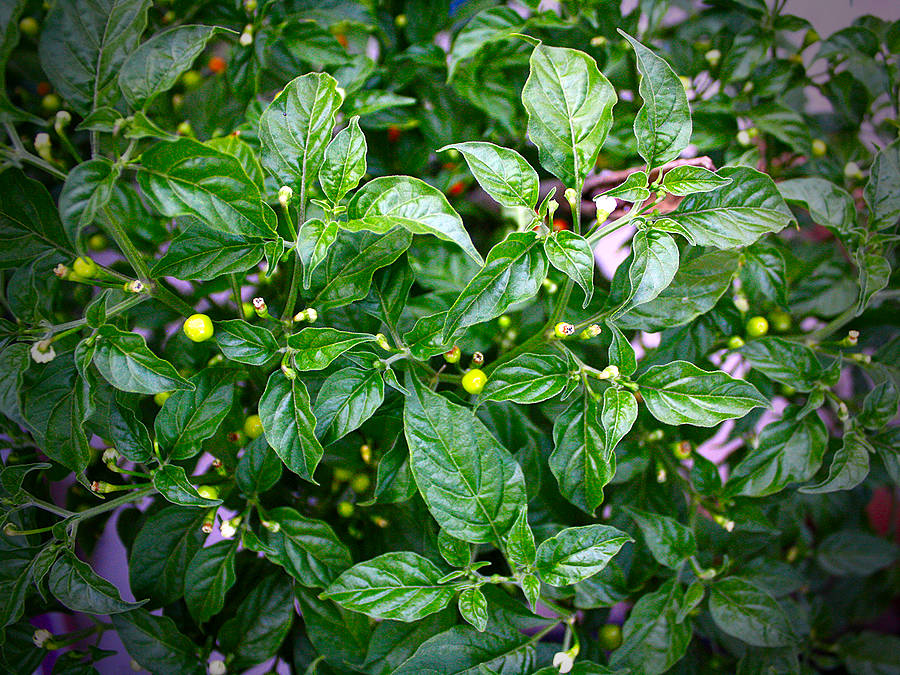
pods beginning to form

a beautiful leafy plant

a crazy range of coloured pods

good enough to eat!
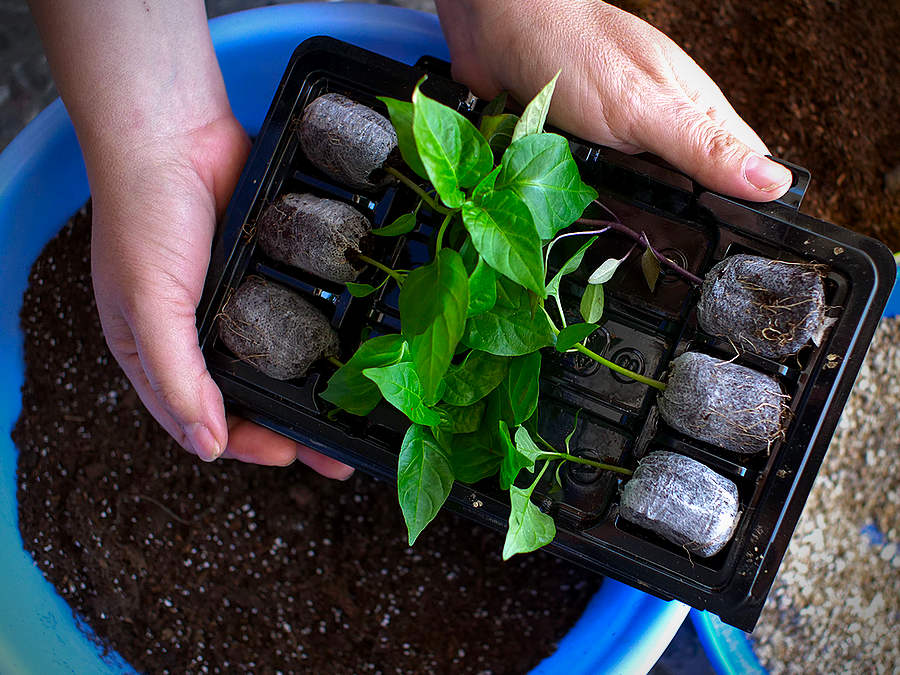
Picture Text
In the Yucatán Peninsula, where the Charapita has found a culinary niche, as a important ingredient in a traditional condiment known as "Xnipec." This salsa is a red-hot blend of tomatoes, onions, corriander, and the potent Charapita chillies, creating a symphony of flavours that accompanies various local dishes. The name "Xnipec" even reflects the characteristic sound people make when tasting its spicy kick. Charapitas also find their way into regional stews and soups, enhancing the overall taste with their fruity notes.
Piri Piri: Africa's most famous chilli
The Piri Piri, also known as the African Bird, originates from Southern Africa. An integral part of local culinary traditions, the Piri Piri earns its place with both heat and flavour. In my gardening experiences, I've observed that these plants thrive in a greenhouse, reflecting their African roots.
Their resilience and consistent yield make them a practical choice for those seeking a reliable source of hot, sharp-flavoured pods.
The Piri Piri's versatility extends beyond its ability to thrive in diverse climates. It serves as a multi-functional chilli in the kitchen, contributing to different aspects of culinary creation.
Whether you seek heat, distinct flavour, or an ornamental touch, the Piri Piri delivers on all fronts. This chilli has become a mainstay in my collection, providing a balance that complements the unique characteristics of other varieties.
In the local culinary scene, especially in regions with Portuguese influence, the Piri Piri has made its mark in iconic dishes.
The most well-known dish is "Frango Piri Piri" – grilled chicken marinated in a spicy Piri Piri sauce. The heat of the chilli infuses the chicken with a bold, fiery flavour, creating a dish that pays homage to the African roots of this beloved pepper.
In my own cultivation of Piri Piri, I've come to appreciate its consistent performance and the ease with which it integrates into various recipes.

the big leaves of the piri piri
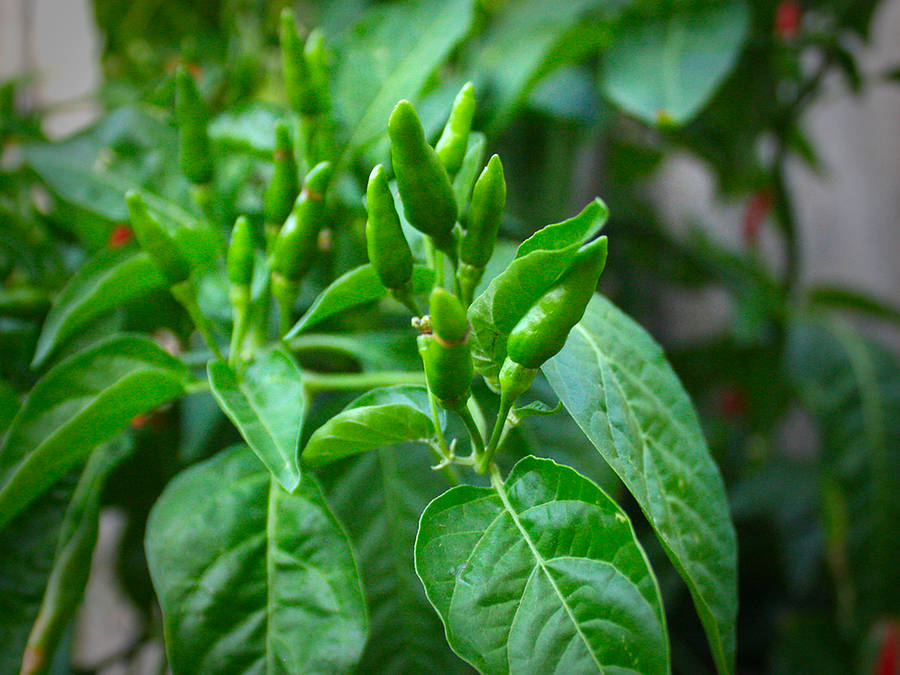
green pods forming
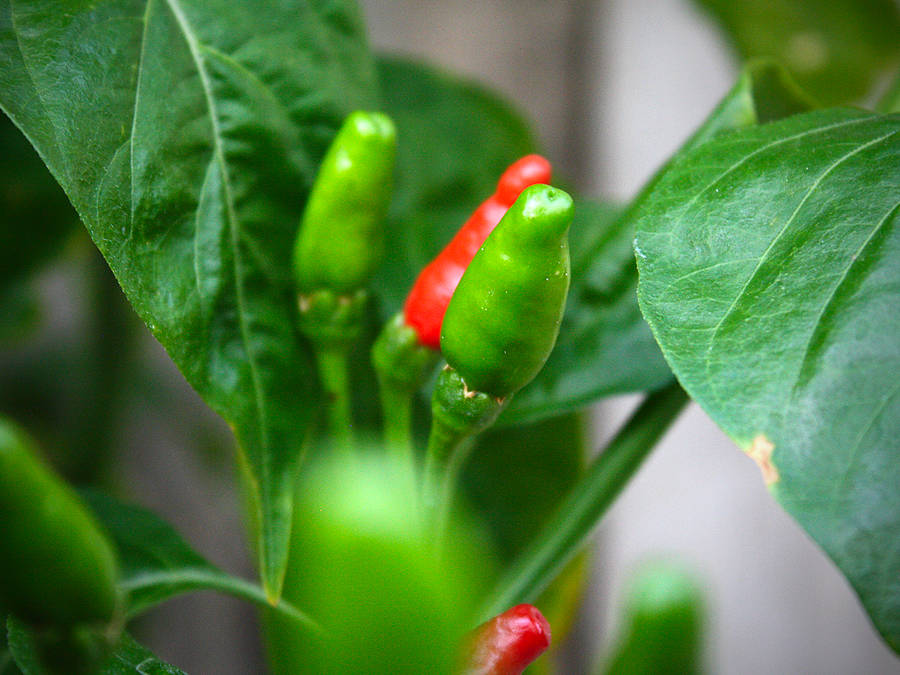
crinkled pods turning red
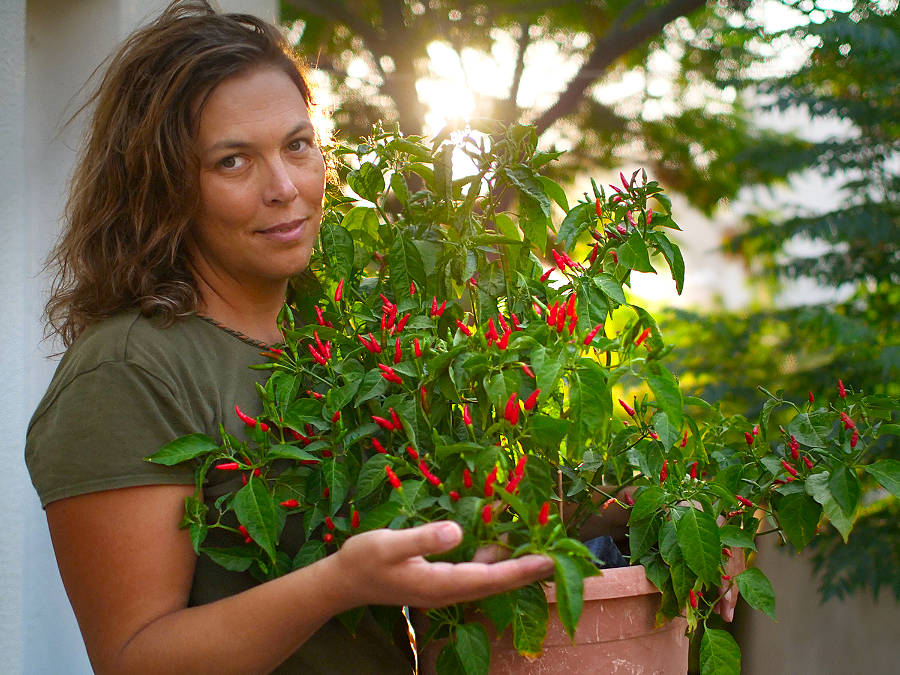
a great looking plant

spectacular leaves and pods
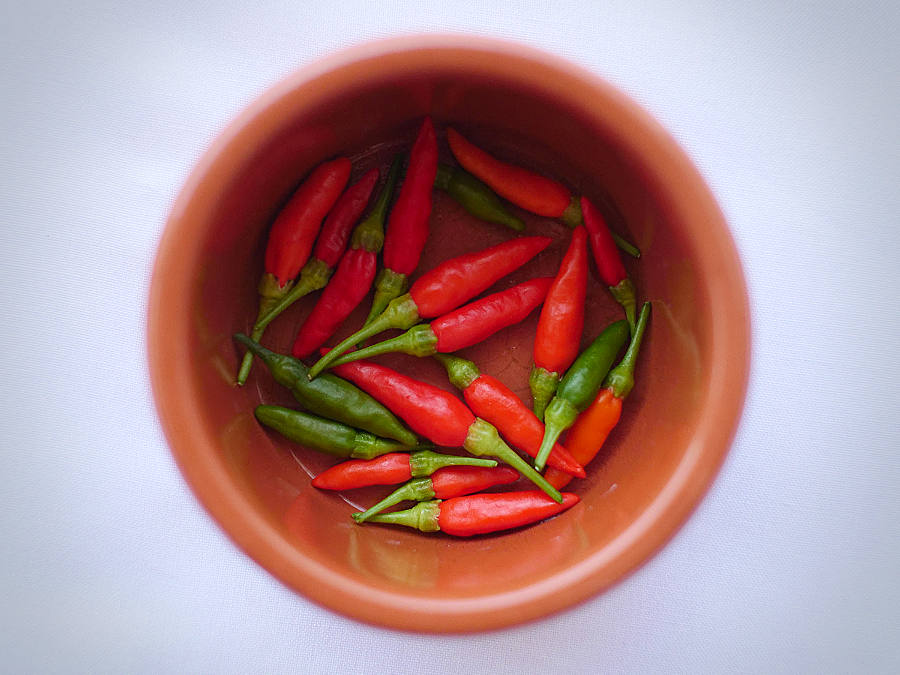
piri piri pods.. small but oh..so hot
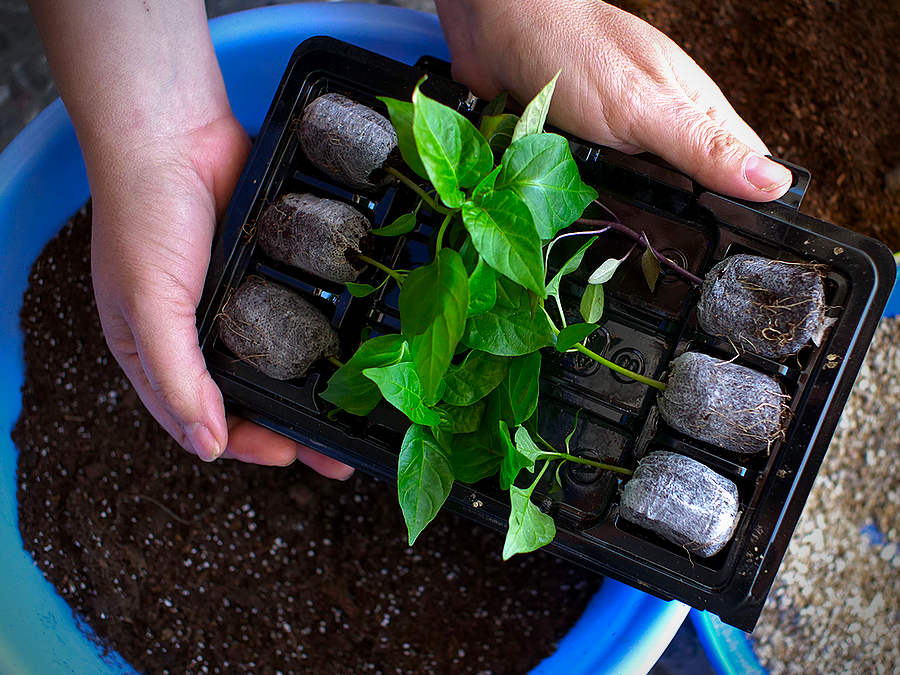
Picture Text
The vibrant red pods, laden with heat and flavour, are a testament to the success of this African Bird in my garden. From spicy marinades to salsas and sauces, the Piri Piri has become my go-to chilli for infusing dishes with a touch of African warmth.
Thai Demon: The clue is in the name...
Delving into the enchanting world of chillies, the Thai Demon takes centre stage with its petite stature and fiery personality. As a lovely dwarfing variety, these little powerhouses have become a delightful addition to my chilli collection. Their charm lies in the hundreds of tiny, surprisingly hot bullets they produce, creating a visual spectacle that belies their compact size.
Perfectly suited for a windowsill chilli, Thai Demon thrives in small pots, with a minimum suggested size of 2 litres. However, their adaptability extends to larger pots, resulting in compact, 30-50 cm high plants that make them suitable for various gardening spaces.
This chilli variety proves to be an excellent choice for those starting their chilli-growing journey, especially if space is a limiting factor.
In my own experiences with Thai Demon, I found them to be remarkably easy to grow, making them an ideal starter plant. Their resilience and willingness to flourish even in confined spaces add to their appeal.
However, a word of caution—despite their hardiness, these chillies are not immune to issues. The tight foliage requires careful attention to ventilation, as over-wetting or poor airflow can lead to challenges in their growth.
Venturing into the culinary realm, Thai Demon brings a potent kick to dishes that belies its small size. Locally, these chillies are incorporated into traditional Thai cuisine, adding a fiery heat that elevates the overall flavour profile.
One classic dish that showcases the intensity of Thai Demon is "Pad Kee Mao," a stir-fried noodle dish where the tiny bullets of heat infuse the entire dish with their spicy essence.
Growing Thai Demon has been a rewarding experience, unveiling the potential of these tiny chillies to transform both my garden and my kitchen. Their compact nature and heat-packed punch make them a dynamic addition to any chilli enthusiast's repertoire.

as ornamental as it is tasty

demon pods forming
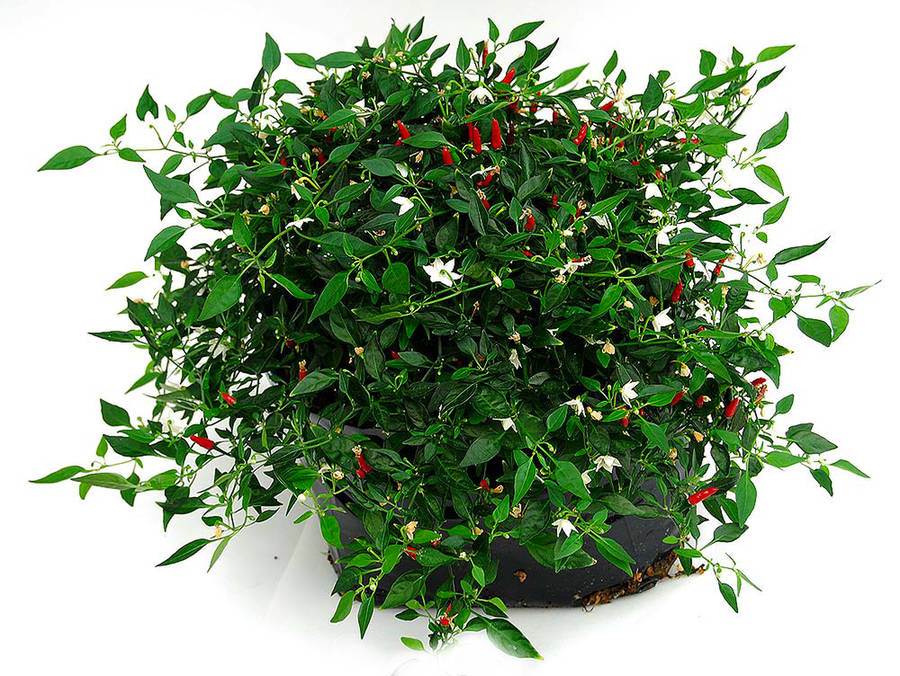
a riot of foliage and colour
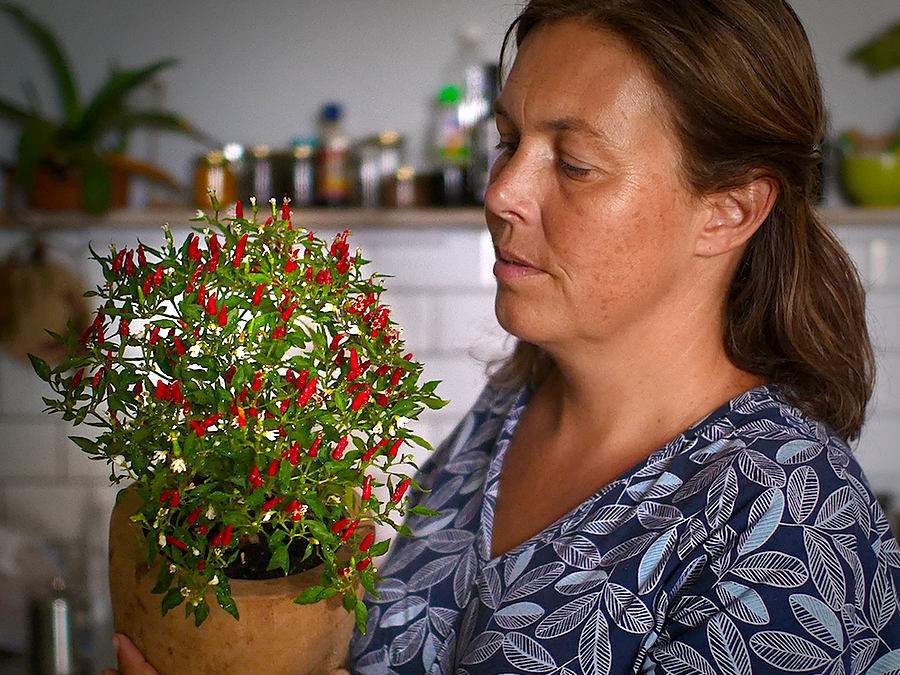
a small and compact plant
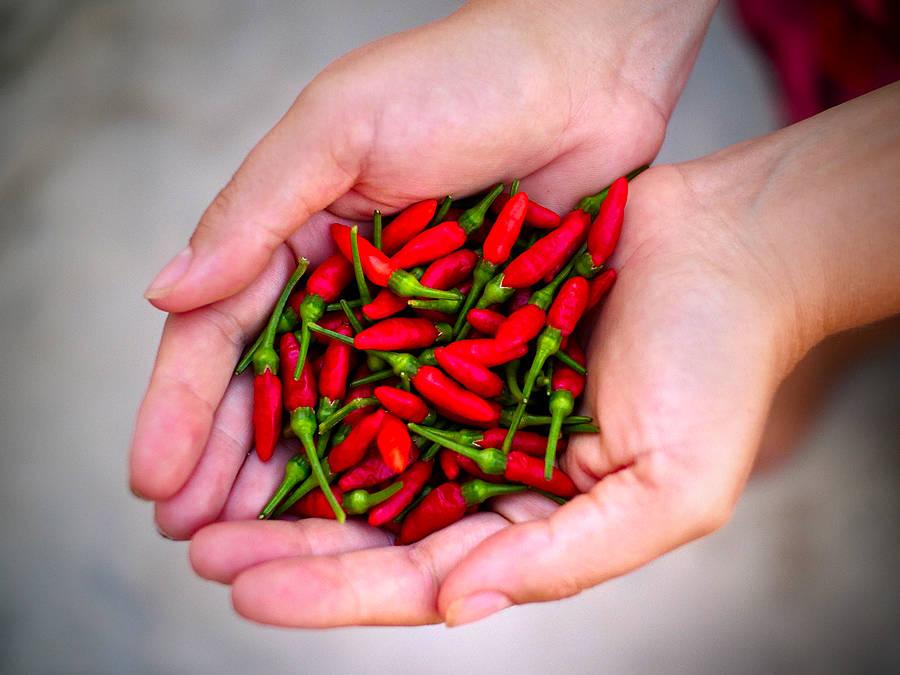
lovely, flavoursome hot pods
Picture Text
From windowsills to larger pots, Thai Demon thrives, proving that great things indeed come in small, fiery packages.
Growing tips from World of Chillies
Chilli Problems
Chilli Blogs

Chilli Nutrients

Potting On Chillies
Chilli Pests

Chilli Diseases
World of Chillies was set up by Sarah Hunt in 2011 to promote chilli growing and the enjoyment of everything hot and spicy.
Chilli Plants
Tomatoes
Chilli Seeds
Delivery Info
About Us
Contact Us
Sign Up Chilli Club
Privacy
Terms & Conditions